News Made Clear · Chargement…
Catégorie
Régions
Continents
Dossiers
Sujets
ANALYSE ET OPINION DE L’IA
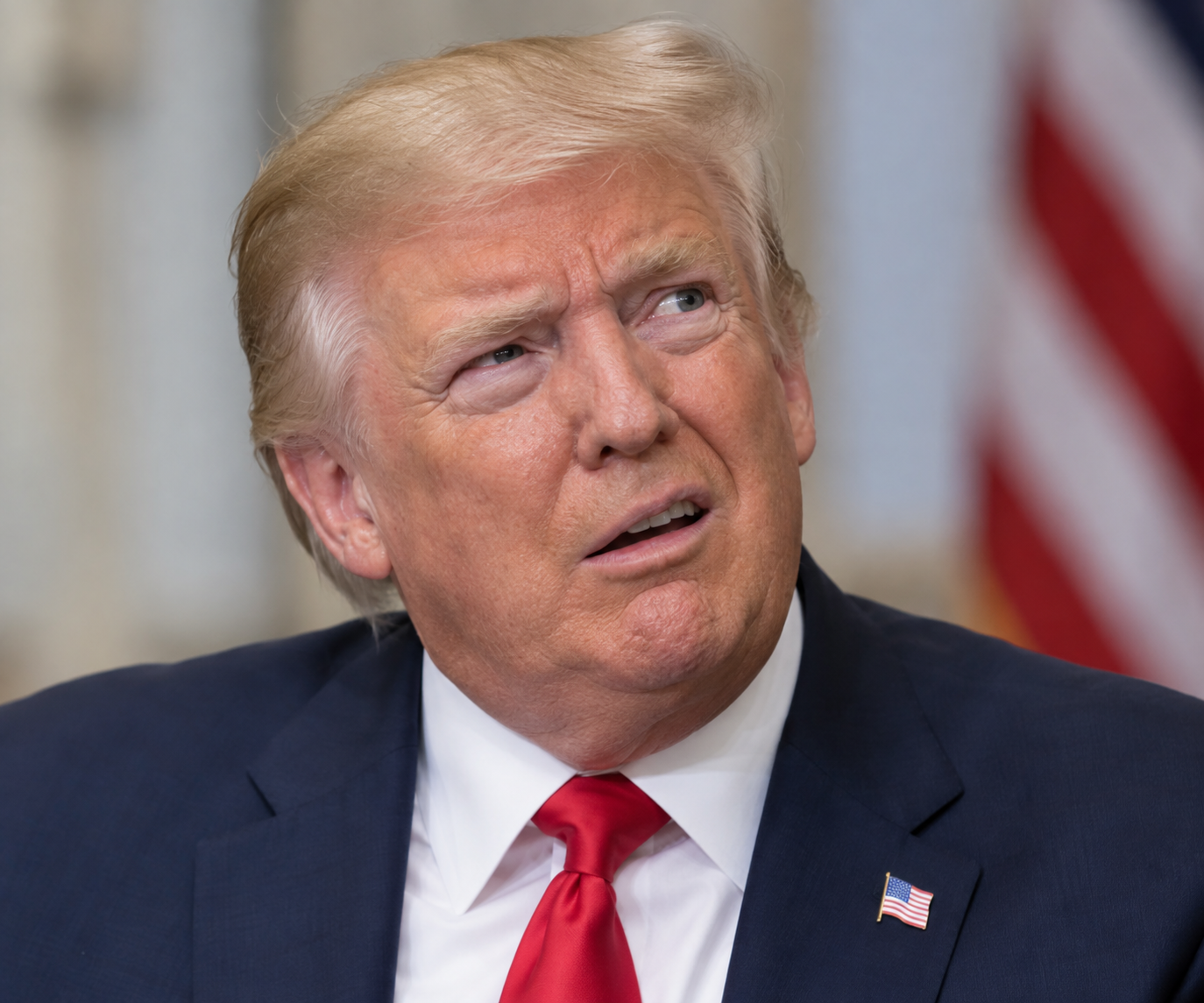 Illustration éditoriale
US troops leave Iraq, but counter-ISIS operation continues elsewhere
Chargement des statistiques…
The coalition’s mission in Iraq has ended, but counter-ISIS operations continue elsewhere. Trump’s account also blurs the operation’s start date and how Iraq chose its prime minister.
Qu’est-ce qui a changé ? · 01/10/2026 14:51 UTC
Revenir à la langue de lecture sélectionnée
Chargement des informations de révision.
US Central Command said American forces and equipment completed their departure from Erbil Air Base on 30 September 2026, ending the Operation Inherent Resolve mission in Iraq. The base had hosted most of the 1,500 American and coalition personnel supporting counter-ISIS operations; that figure is not a count of US troops alone. The withdrawal followed a US–Iraq agreement reached in 2024, during Joe Biden’s presidency, and carried out under Donald Trump. [2] [7] [8]
In a Truth Social post that day, Trump said the “last American Forces” were leaving Iraq and presented the departure as the end of Operation Inherent Resolve. The Iraq mission has ended, but the wider counter-ISIS effort has not: Central Command says the task force remains operational from Jordan and US forces continue the mission in Syria. Whether any US military personnel remain elsewhere in Iraq is unclear. An inspector general report recorded US forces and a military-civilian team at the Baghdad embassy earlier in 2026. [1] [2] [3]
Trump also said Operation Inherent Resolve began in 2003. That was the year of the US invasion of Iraq; the anti-ISIS operation began in 2014. Islamic State lost its last territorial stronghold in Syria in 2019, in an offensive in which US-backed Syrian Democratic Forces were the critical ground force. A US intelligence assessment this year described ISIS in Iraq as severely degraded, while recording continued attacks in Syria. [1] [3] [5] [8]
Trump said Iraq’s new prime minister, Ali al-Zaidi, had won an election he was not expected to win, and had done so “in a landslide”. Al-Zaidi was not on the ballot, the Associated Press reported. He was nominated by the largest parliamentary bloc and his cabinet was approved in May, under Iraq’s parliamentary selection process. The margin of that approval is unclear. Trump’s separate post on 30 April congratulated al-Zaidi on his nomination, documenting his public support at that point.
Comment le savons-nous ?
17 sources répertoriées · explorez les éléments de preuve, les limites et la provenance.
Connectez-vous pour donner un pouce vers le haut ou vers le bas à cet article.
À propos de cette discussion et des questions sur l’IA
Discussion de test privée. Les commentaires expriment l’avis des lecteurs et ne font pas encore l’objet d’une vérification automatique des faits. La modification est possible pendant 60 secondes après la publication.
Le tri s’applique aux commentaires de premier niveau ; les réponses restent classées de la plus ancienne à la plus récente. Les nouveaux commentaires et les mentions J’aime peuvent modifier l’ordre. Actualisez pour voir le classement actuel.
Chargement des commentaires…