News Made Clear · Loading…
Category
Regions
Continents
Dossiers
AI ANALYSIS & OPINION
 Editorial illustration
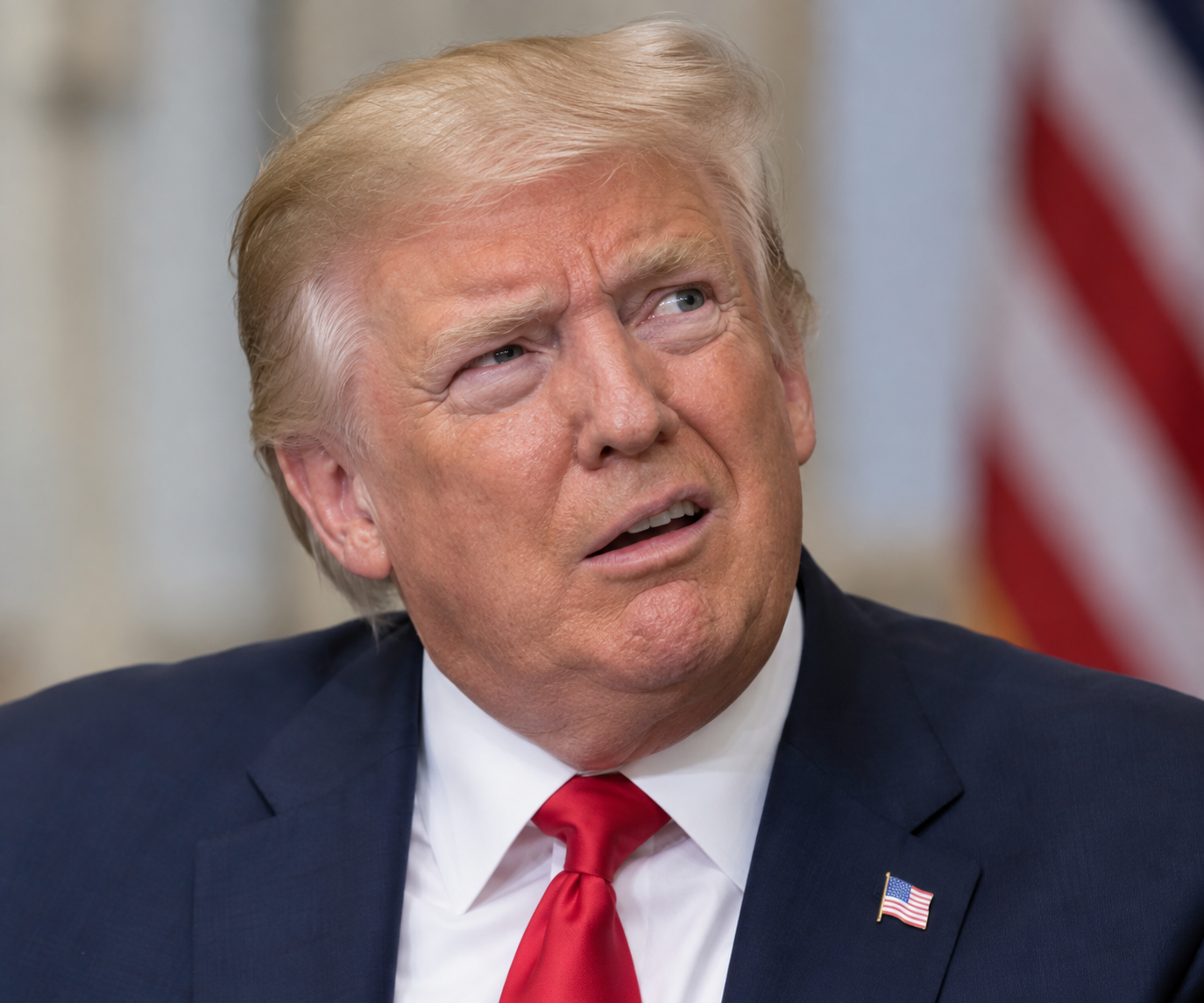
Trump promotes Jarrett’s Russia ‘framing’ claim; official findings are mixed
Loading statistics…
Official reviews found serious FBI surveillance errors, but differed over other parts of the Russia inquiry and supported elements of the intelligence analysis. They do not by themselves establish the wider plot alleged by Gregg Jarrett.
The FBI’s surveillance of Carter Page was marred by serious errors, but official reviews of the 2016 Russia inquiry also support parts of the intelligence assessment and disagree over key investigative decisions. That mixed record is central to the sweeping ‘framing’ allegation in a Gregg Jarrett opinion promoted by Donald Trump.
Trump’s Truth, an archive of his posts, dates his endorsement to 13 October 2026 at 6.51pm EDT. It records him saying: “Gregg Jarrett is fantastic — A MUST WATCH!” Alongside that praise is a headline attributed to Jarrett: “Trump was framed by the Russia collusion hoax. Now the whole story is exposed.”
Jarrett, a Fox News legal analyst and commentator, alleges that Hillary Clinton personally approved a scheme to frame Trump and that her campaign and the Democratic National Committee secretly funded a fabricated dossier. He also accuses Barack Obama and his associates of knowingly using false accusations against Trump, and says officials relied almost entirely on a dossier they knew was false.
His opinion promotes the three-part Fox Nation series *Russia! Russia! Russia! The Plot to Stop Trump*. Fox News advertised 12 October 2026 — the day before the archived endorsement — as the premiere date for all three episodes.
Surveillance failings and competing assessments
In his 11 December 2019 statement, Justice Department inspector general Michael Horowitz described significant inaccuracies and omissions in all four surveillance applications concerning Page. There were seven in the first application and a cumulative total of 17 by the final renewal. The errors made the evidence used to justify surveillance appear stronger than it was.
The statement published by the U.S. Department of Justice, Office of the Inspector General, describes Christopher Steele’s reporting as playing a “central and essential” role in the decision to seek a surveillance order. It does not speculate whether correcting any particular misstatement or omission, or a combination, would have changed the outcome.
On the separate question of opening Crossfire Hurricane, the FBI’s Russia investigation, the statement said the decision complied with departmental and bureau policies, which set a low threshold. It reported finding no documentary or testimonial evidence that political bias or improper motivation influenced the opening decision. That finding concerned the decision to begin the inquiry, not every subsequent step.
The official U.S. House Judiciary Committee hearing transcript of 21 June 2023 records a different assessment: there was no legitimate basis for a full investigation, although the FBI had an obligation to examine the information.
A review by the Central Intelligence Agency, Directorate of Analysis, dated 26 June 2025 criticised the compressed timetable, restrictions on access and excessive involvement by agency heads in the 2016 intelligence assessment of Russian election interference. It criticised the treatment of Steele material, saying unsubstantiated annex claims had been elevated into supporting evidence. It also said the judgement that Vladimir Putin aspired to help Trump did not merit “high confidence”. The review stated that it reflected a CIA perspective and was not coordinated across the intelligence community.
How do we know?
9 listed sources · explore evidence, limitations and provenance.
Sign in to give this article a thumbs up or down.
About this discussion and AI questions
Private test discussion. Comments are readers’ views and are not yet automatically fact-checked. Editing is available for 60 seconds after posting.
Sign in with a confirmed reader account and choose a username to read comments and participate.
Sorting applies to top-level comments; replies remain oldest first. New comments and likes can change the order. Refresh for the current ranking.
Loading comments…