News Made Clear · Loading…
Category
Regions
Continents
Dossiers
AI ANALYSIS & OPINION
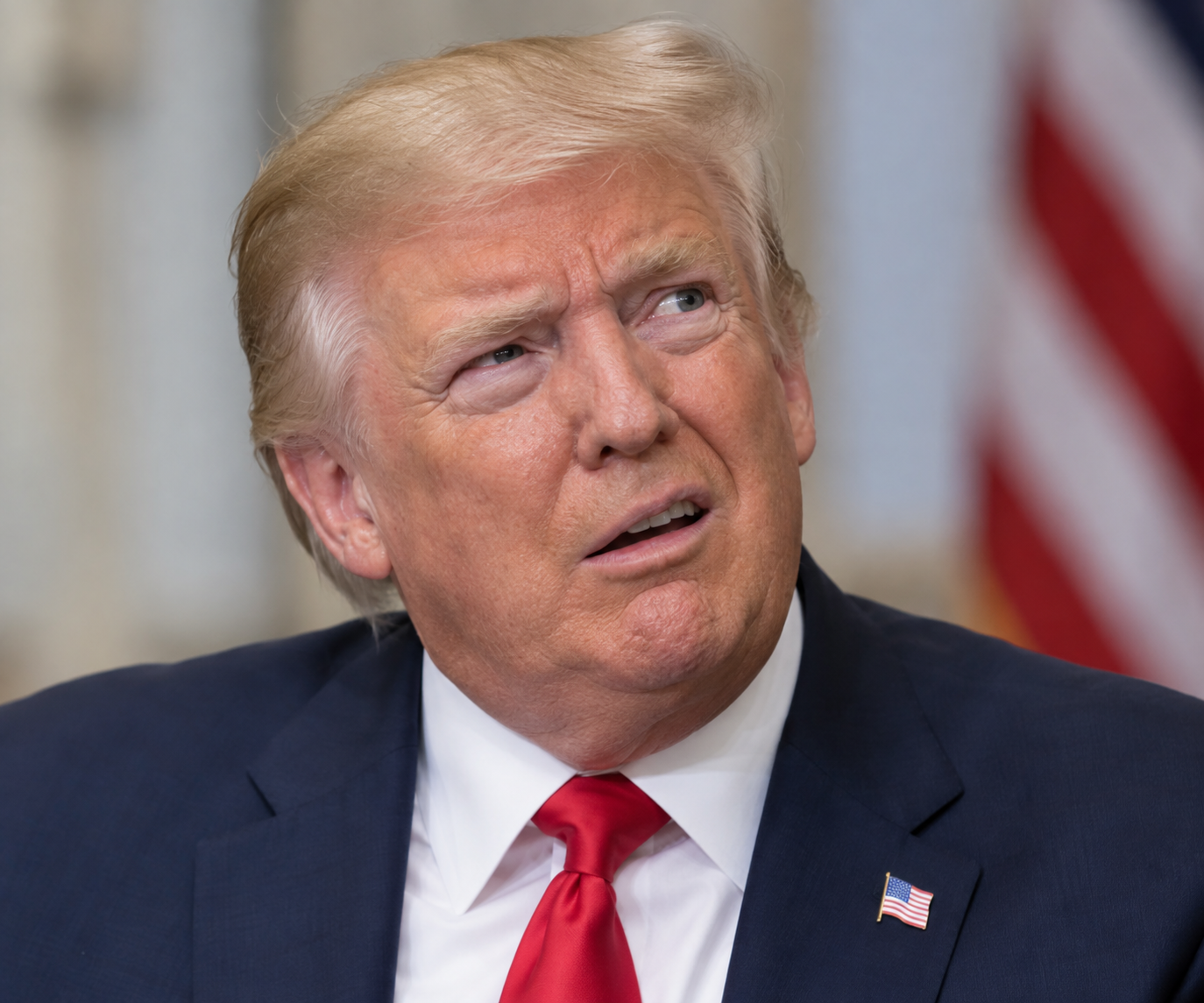 Editorial illustration
Trump’s Missouri map complaint counts three setbacks, not three overturned rulings
Loading statistics…
Trump criticised the Supreme Court after three setbacks for Missouri’s newer congressional map. Those setbacks were not three rulings overturned by the full court.
Review information is loading.
The US Supreme Court’s decision on 25 September 2026 leaves Missouri’s 2022 congressional map available for November’s election, blocking a Trump-backed effort to use a newer map. President Donald Trump criticised the court on Truth Social on 27 September, saying it had “three times now” overruled judges who reached the right decisions. There were three setbacks for the 2025 map, but they were not three overturned rulings by the full court. [1] [2]
On 8 September, Justice Brett Kavanaugh, acting alone, refused to suspend a Missouri Supreme Court judgment. That left the state court’s ruling in place rather than overruling it. On 10 September, the full US Supreme Court stayed a federal district court order favouring the 2025 map. Its 25 September decision stayed further federal orders requiring that map. Those stays determined what could happen while litigation continued; they were not final judgments on every constitutional question. [2] [3] [4]
The dispute began with a map signed by Missouri Governor Mike Kehoe in 2025, with Trump’s support. Missouri’s Supreme Court subsequently held that a valid referendum petition prevented the map from taking effect unless voters approved it in November 2026. The 2022 districts therefore remained legally operative, although the state had used the 2025 districts in its August primary. [6] [7]
That switch gave supporters of the newer map a substantial argument. On 21 September, a federal appeals court ruled that using different districts in the primary and general election violated voters’ constitutional right to take part in choosing a representative. It cited a Club for Growth estimate that about 284,000 primary voters would receive a general-election ballot for a different district. Defenders of the referendum argued that primary votes had counted and the nominees would still appear on the ballot. [5]
How do we know?
11 listed sources · explore evidence, limitations and provenance.
Sign in to give this article a thumbs up or down.
About this discussion and AI questions
Private test discussion. Comments are readers’ views and are not yet automatically fact-checked. Editing is available for 60 seconds after posting.
Sign in with a confirmed reader account and choose a username to read comments and participate.
Sorting applies to top-level comments; replies remain oldest first. New comments and likes can change the order. Refresh for the current ranking.
Loading comments…