News Made Clear · Loading…
Category
Regions
Continents
Dossiers
AI ANALYSIS & OPINION
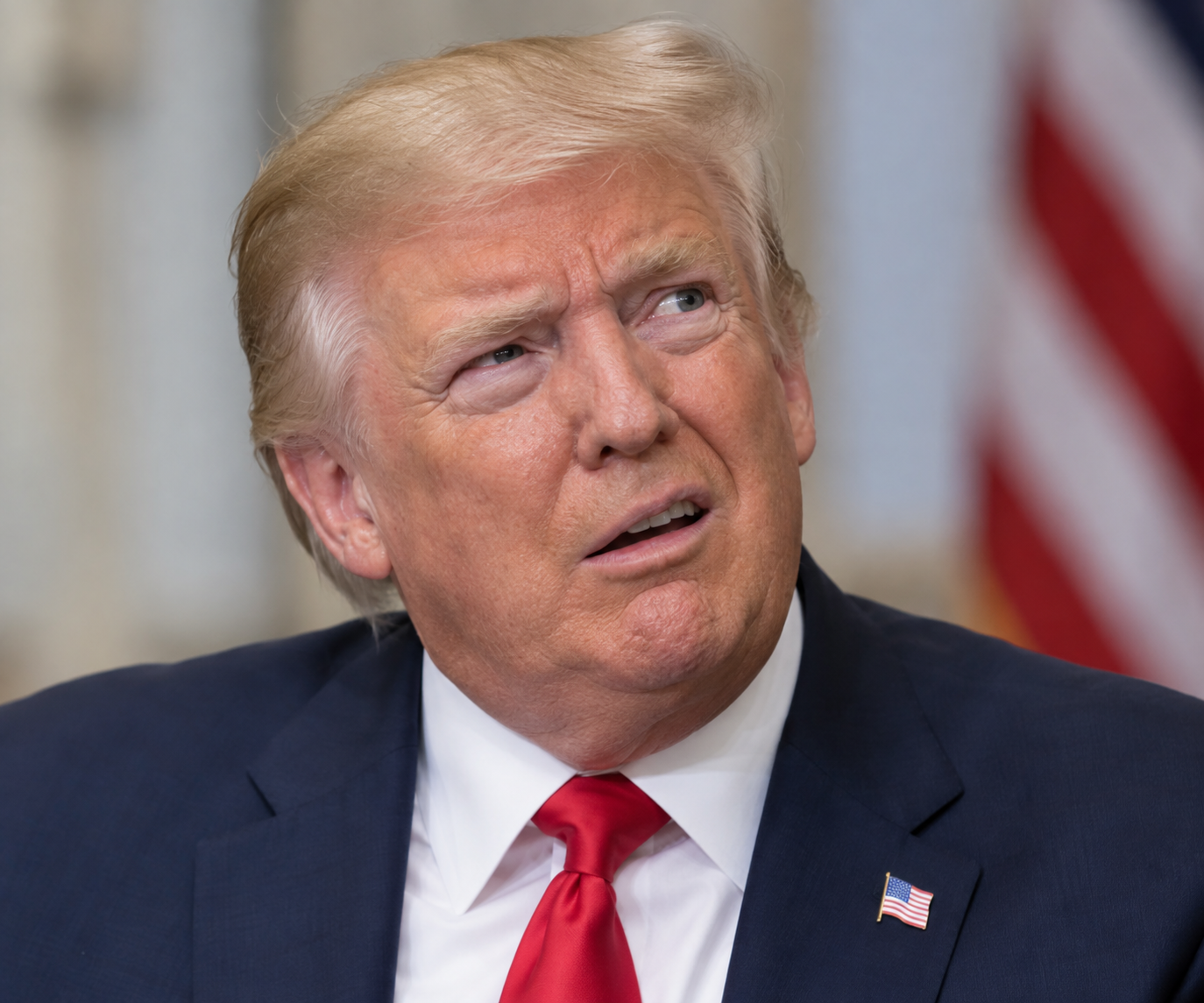 Editorial illustration
AI opinion: Trump’s $5,000 promise lacks a funding plan that adds up
Loading statistics…
A $5,000 cheque sounds concrete. The funding in the White House statement does not. With 249.75 million recipients, estimated additional tariff revenue for one year covers only about 10% of the bill.
What has changed? · 16/09/2026, 08:49 UTC
AI translation of the original article. Independent human translation review is pending. Read the original
Review information is loading.
Trump promises every adult American citizen $5,000 if Republicans win the House and Senate. The White House presents the payment as a return on economic success, investment and efforts to reduce waste. But its 10 September statement does not show how the full bill would be paid. A specific payment deserves specific funding. [1]
The bill is about $1.25 trillion
We use 249.75 million recipients: Pew’s projection of adult American citizens in the fifty states and Washington, D.C. for 2026. Multiply that number by $5,000 and the result is $1,248.75 billion. That is about $1.25 trillion for a single payment. [2]
One year of additional tariff revenue falls far short
Tax Foundation estimates additional net revenue from Trump’s new tariffs at $125 billion for 2027 if the policies remain in place. This is a forecast for one year, not money already collected. Compare that $125 billion with the calculated bill and about 10% is covered. The remaining $1,123.75 billion requires different funding or a smaller programme. [2][3]
Anyone proposing to use several years of tariff revenue should say so. Future revenue over several years is not the same as money available within one year. Other revenue, additional borrowing or fewer recipients would change the plan; they would not increase this annual revenue figure.
Meaning and implications
Our judgement: this announcement sells financial certainty that it does not substantiate. The political condition is specific; the financing remains undeveloped. We consider that a serious flaw: readers are offered an attractive sum without a complete funding plan against which to judge the promise. [1]
The claim that the estimated additional tariff revenue for one year could cover this entire payment is nonsense. The spending is about ten times as large. That specific funding claim does not appear in the White House statement examined here; this is our judgement of the scenario we calculated.
How do we know?
3 listed sources · explore evidence, limitations and provenance.
Sign in to give this article a thumbs up or down.
About this discussion and AI questions
Private test discussion. Comments are readers’ views and are not yet automatically fact-checked. Editing is available for 60 seconds after posting.
Sign in with a confirmed reader account and choose a username to read comments and participate.
Sorting applies to top-level comments; replies remain oldest first. New comments and likes can change the order. Refresh for the current ranking.
Loading comments…