IEA says Middle East war’s energy shock is reaching the world
The energy agency says the Middle East war has affected fuel prices worldwide, while shipping data show oil is still moving through the Strait of Hormuz at reduced levels.
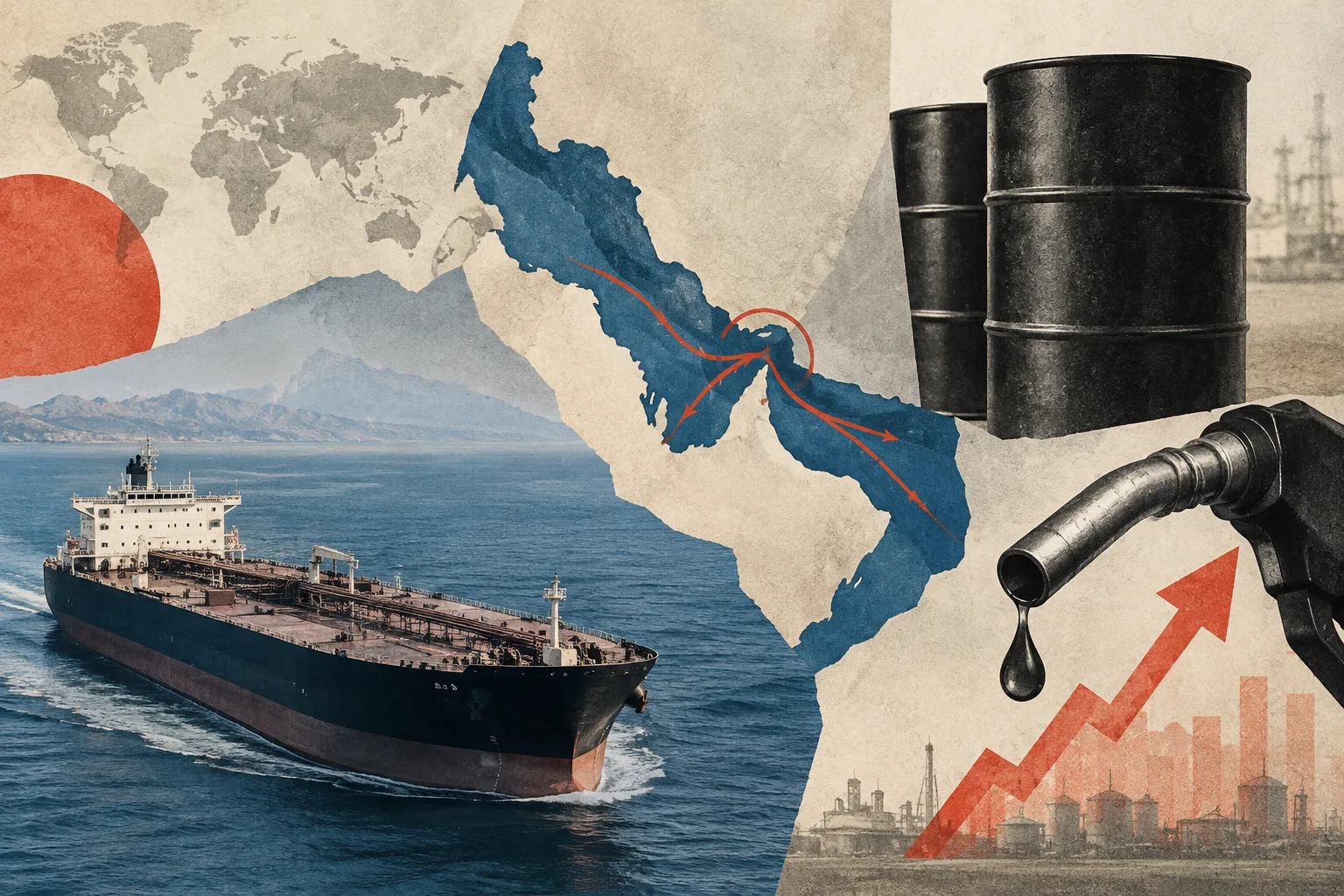
The Middle East war has triggered an energy crisis felt around the world as fuel prices have risen, the International Energy Agency says in its annual assessment, according to Dutch news agency ANP. Countries in Asia are particularly exposed because of their dependence on oil and gas from the region.
Oil is still passing through the Strait of Hormuz, a vital export route, although flows are well below pre-war levels. Preliminary figures from maritime data firm Kpler showed crude shipments through the strait averaging 8.5 million barrels a day in November up to 16 November, about half the pre-war rate, the Associated Press reported. Kpler said the figure could rise as more data came in.
Including routes around the strait, Middle Eastern oil flows averaged 15 million barrels a day over the same period, or about 64% of pre-war levels, according to Kpler.
The Abu Dhabi National Oil Company said one crew member was missing and 11 were injured after one of its vessels was attacked in the strait on 17 November. It did not say who was responsible.
In a separate analysis published in September, the IEA estimated that cumulative oil export losses through Hormuz were approaching 2.8 billion barrels compared with pre-war flows. That was a loss on one route, not necessarily the loss to the world market: increased shipments on bypass routes had offset more than 500 million barrels, while higher production elsewhere and weaker demand had also reduced the gap.
The Associated Press reported that, in a separate report issued last week, the IEA expected the global oil market to be oversupplied in the current quarter for the first time since the Iran war began, citing continuing Middle Eastern supplies and falling demand.
In its September analysis, the IEA estimated that apparent Chinese oil demand during the preceding six months averaged 1.7 million barrels a day below its February level. It also said some Asian governments had introduced fuel rationing and emergency conservation measures.
In Europe, the benchmark wholesale gas price rose above €100 per megawatt-hour on 28 October. ANP attributed the rise to disrupted liquefied natural gas supplies linked to Middle East tensions, while energy company Vattenfall had also pointed to low European stocks and competition with Asian buyers.
Sign in to give this article a thumbs up or down.
From the discussion
Private test discussion. Comments are readers’ views and are not yet automatically fact-checked. Editing is available for 60 seconds after posting.
Sign in with a confirmed reader account and choose a username to read comments and participate.
Sorting applies to top-level comments; replies remain oldest first. New comments and likes can change the order. Refresh for the current ranking.
Loading comments…