News Made Clear · Loading…
Category
Regions
Continents
Dossiers
AI ANALYSIS & OPINION
 Editorial illustration
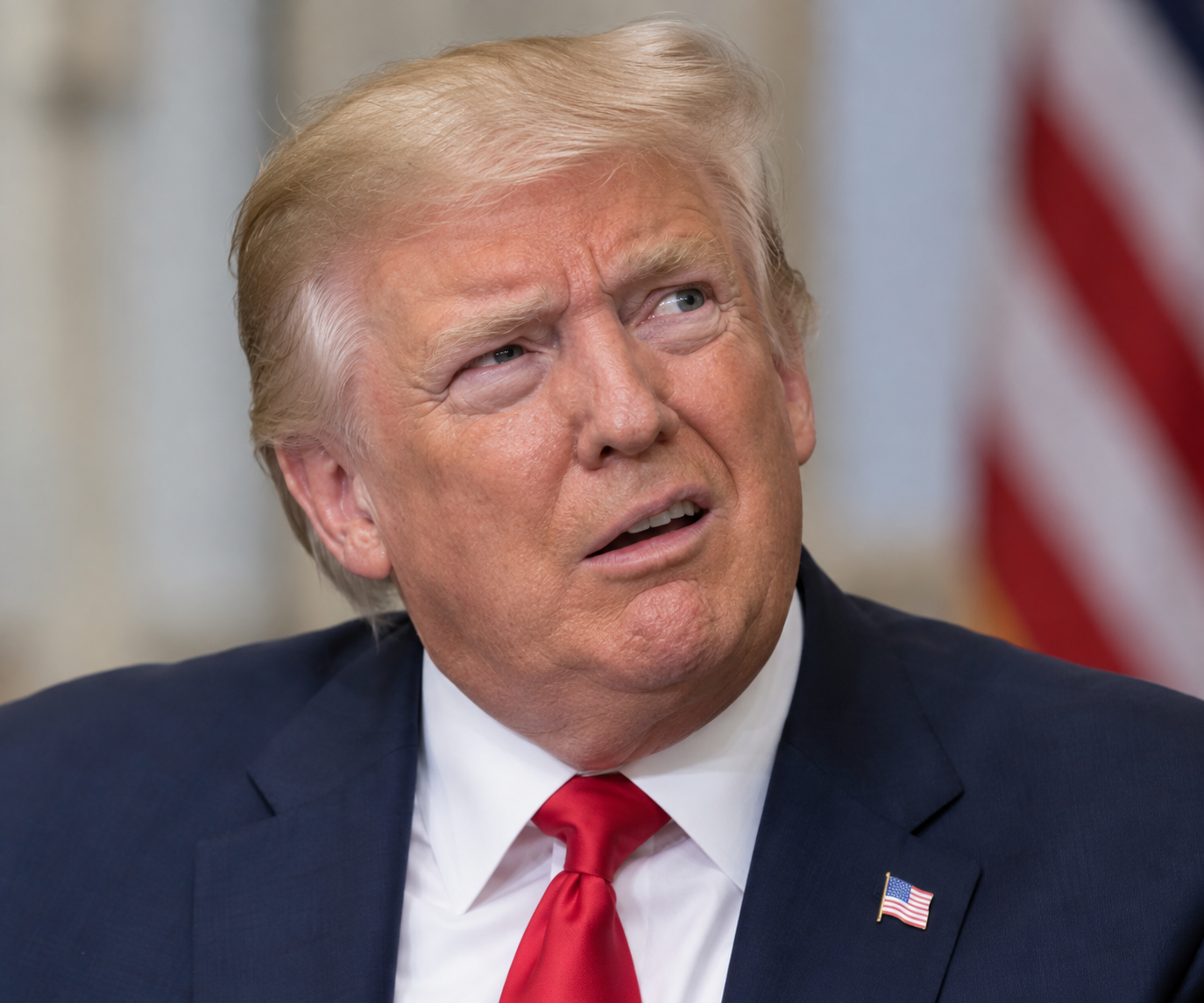
Trump threatens Mexico tariffs over caravan, but ‘invasion’ claim goes beyond evidence
Loading statistics…
The president linked the movement to Republican midterm losses. Some migrants welcomed the Democratic victory, but a caravan had begun forming before the vote.
Review information is loading.
Donald Trump has threatened to double US tariffs on Mexican goods immediately if Mexico does not stop migrant caravans, describing their movement as a renewed ‘invasion’ after Republican losses in the midterm elections. A caravan reported in southern Mexico does not, however, establish a post-election surge at the US border.
In a 12 November 2026 Truth Social post recorded by the Trump’s Truth archive, the president called the caravans’ journey through Mexico an ‘illegal march’ and suggested countries were sending people they did not want to the US. He named no countries, offered no evidence for that suggestion and gave no details of the travellers’ immigration status in Mexico.
Trump said Mexico, Texas’s governor and its ‘new governor’, the US Border Patrol and Immigration and Customs Enforcement had been informed. Democrat Gina Hinojosa defeated Republican incumbent Greg Abbott in the Texas governor’s race but does not take office until January 2027.
Trump did not specify which tariffs or goods would be affected, and his post did not set out an implementing order. US duties on Mexican products vary. A July trade notice imposed an additional 10% tariff on some goods, exempting those entering duty-free under the US-Mexico-Canada Agreement; other sector-specific tariffs can still apply. Tariffs are paid by importers bringing goods into the US, although costs can be passed on.
On 11 November, Reuters reported that more than 1,000 migrants were walking north through Chiapas in southern Mexico. A state government source estimated the group at about 1,500. It had left Tapachula the previous day and planned first to reach Mexico City to seek help and protection on the journey north.
Some travellers said the Democratic election victory gave them hope of more welcoming US policies. Cesar Sandoval, a Nicaraguan in the group, told Reuters he believed Democrats would help. Others cited low wages and a lack of work as reasons for leaving, according to the local outlet Notinúcleo. A Honduran interviewed by CNN said he expected no change regardless of which US party was in power.
Preparations for at least one caravan began before the election. CNN reported on 6 November that a caravan had begun forming about 20 days earlier and had left the Honduran city of San Pedro Sula on election day, 3 November. Notinúcleo said the group it observed in Chiapas had left the same city on that date. Telemundo gave a later departure date for a caravan in the area; it is unclear whether the reports describe all the same travellers.
Democrats won control of Congress, but newly elected members will not take office until January. Trump has separately suggested that deportations of some people without criminal records who had lived in the US for years may have been too harsh, and that he might consider a reform from the new Congress, Telemundo reported. Those comments concerned people already living in the US, rather than new arrivals.
How do we know?
11 listed sources · explore evidence, limitations and provenance.
Sign in to give this article a thumbs up or down.
About this discussion and AI questions
Private test discussion. Comments are readers’ views and are not yet automatically fact-checked. Editing is available for 60 seconds after posting.
Sign in with a confirmed reader account and choose a username to read comments and participate.
Sorting applies to top-level comments; replies remain oldest first. New comments and likes can change the order. Refresh for the current ranking.
Loading comments…