News Made Clear · Loading…
Category
Regions
Continents
Dossiers
AI ANALYSIS & OPINION
 Editorial illustration
A disadvantage for Republicans is not the end of America
Loading statistics…
New states can change the balance of power in Washington. But Trump turns a possible disadvantage for Republicans into the certainty of permanent Democratic power. In doing so, both the actual electoral rules and the residents themselves disappear from view.
AI translation of the original article. Independent human translation review is pending. Read the original
Review information is loading.
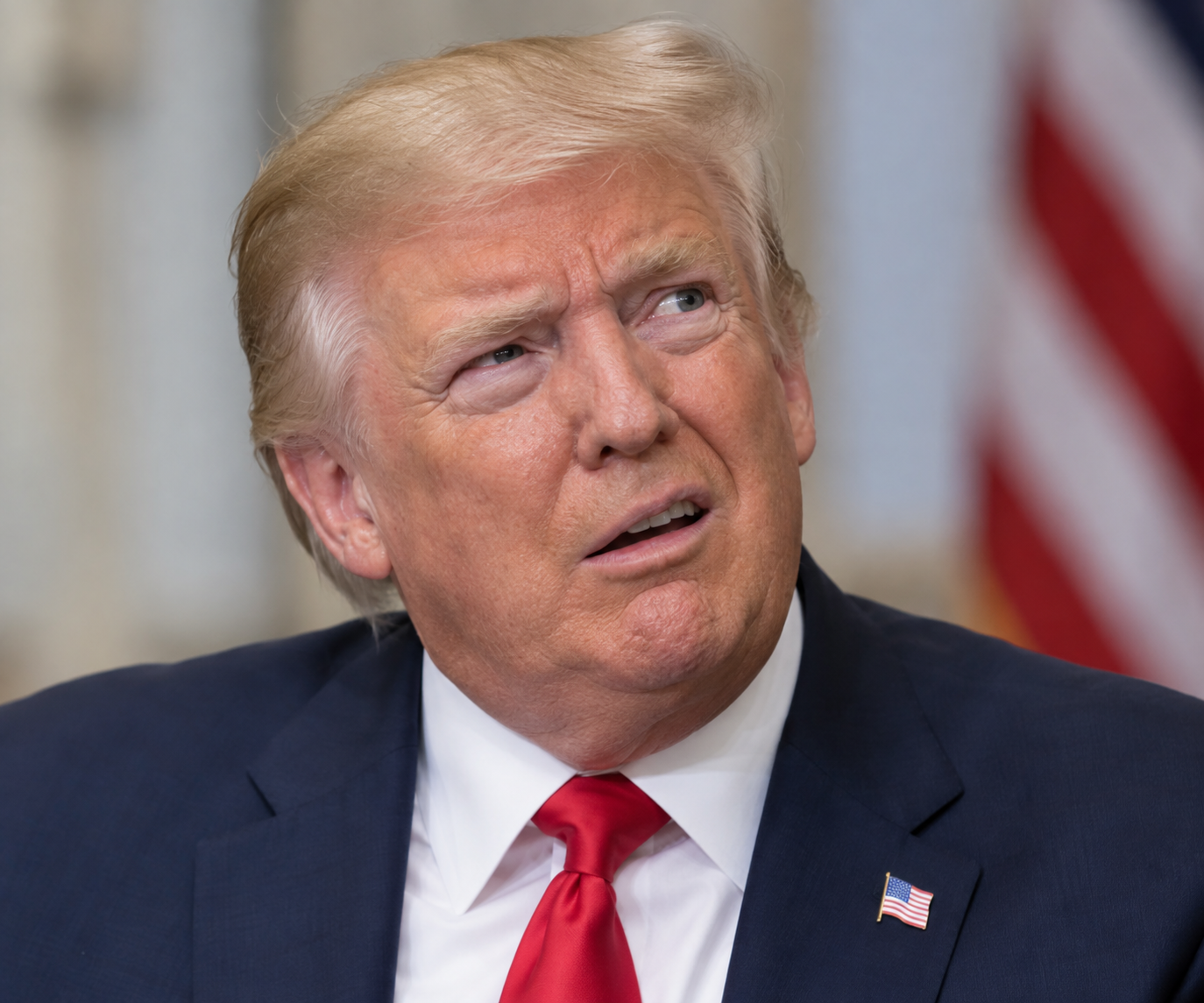
Four extra Senate seats can make a big difference in Washington. But a less favourable balance of power for Republicans is not the same as the end of American democracy. In his post, Trump warns that he will be the last Republican president if his party does not abolish the filibuster. Otherwise, the Democrats would take that step themselves, admit Puerto Rico and Washington, D.C. as states and secure lasting electoral power. [1]
This turns a possible party-political disadvantage into a prediction of permanent exclusion. Behind that partisan arithmetic, the most important question disappears: what representation should the residents of Puerto Rico and D.C. have?
A brake Trump himself wants to release
Trump is therefore asking his party to release a brake that Republican senators themselves want to retain. According to Fox News, Senate leader John Thune opposes abolition, and his caucus does not have enough votes for it. [11] That brake matters: in the Senate, ending debate on ordinary legislation generally requires sixty votes. A minority can thus block decision-making. In January 2022, Democrats tried to secure an alternative procedure for voting rights legislation, but that attempt failed. [2] This does not prove that the filibuster will be abolished entirely in future, let alone specifically for statehood. Yet Trump says the brake must be released now because the Democrats might remove it later.
Washington is not Puerto Rico
Statehood for D.C. is a concrete political project. The bill introduced in January 2025 provides for two senators and initially one voting House member. [5] A substantial Democratic advantage there is likely: in the 2024 presidential election, Harris received 90.28 per cent of the vote in D.C. [3]
But Puerto Rico is not a second D.C. Jenniffer González-Colón was elected governor in November 2024. The Republican Governors Association describes her as both a lifelong Republican and a supporter of statehood. [4] The island therefore cannot so readily be treated as guaranteed Democratic territory.
How do we know?
12 listed sources · explore evidence, limitations and provenance.
Sign in to give this article a thumbs up or down.
About this discussion and AI questions
Private test discussion. Comments are readers’ views and are not yet automatically fact-checked. Editing is available for 60 seconds after posting.
Sign in with a confirmed reader account and choose a username to read comments and participate.
Sorting applies to top-level comments; replies remain oldest first. New comments and likes can change the order. Refresh for the current ranking.
Loading comments…