News Made Clear · Loading…
Category
Regions
Continents
Microdramas gain UK audience as short-form series move into the mainstream
Loading statistics…
Short, cliffhanger-driven dramas are spreading from phone apps into the UK’s wider television industry, attracting viewers and producers while drawing criticism over quality and portrayals of women.
Review information is loading.
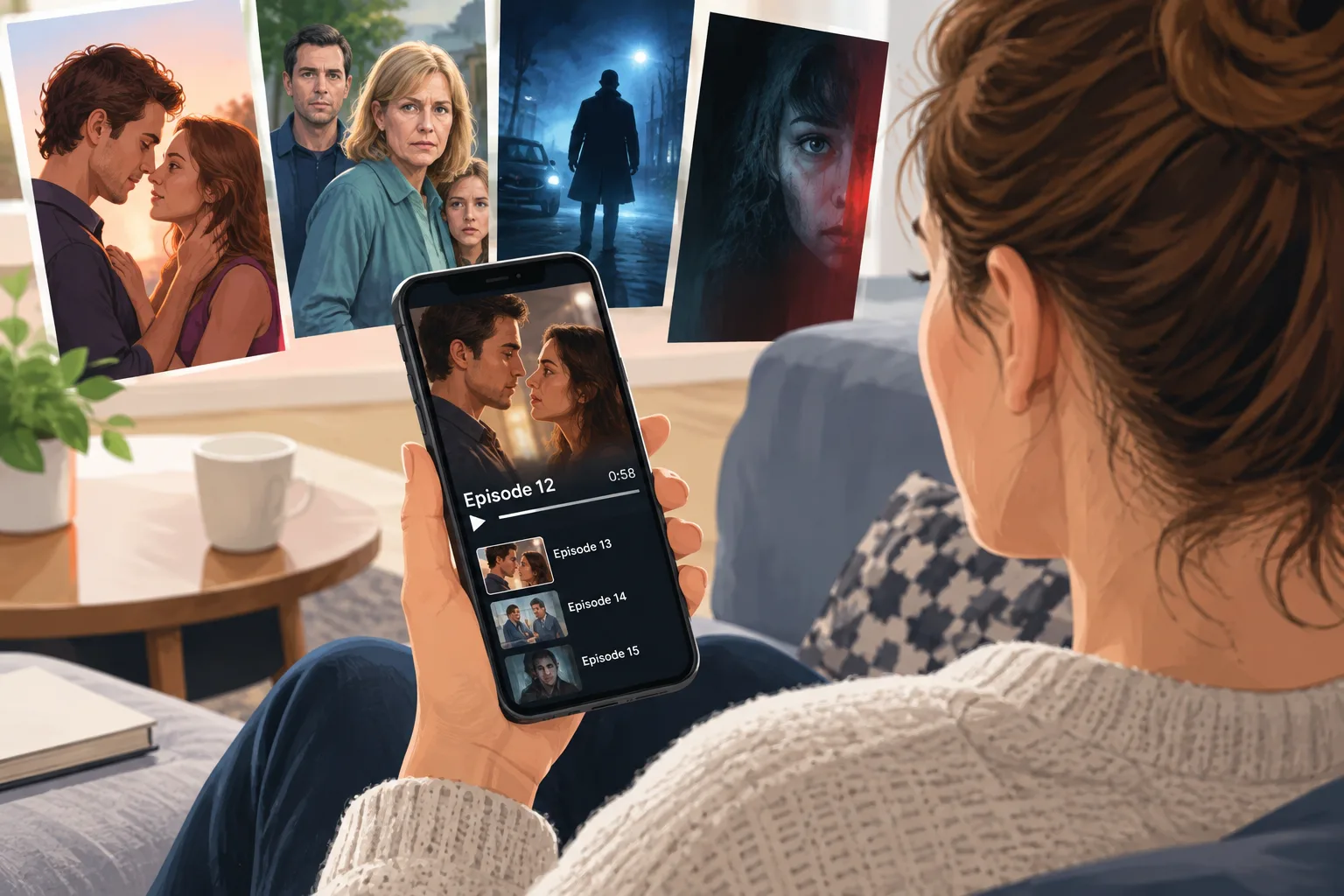
Microdramas — fast-paced series made up of episodes lasting around a minute — are gaining popularity in the UK, as dedicated apps and established broadcasters move into a format designed for watching on a phone.
The shows, often built around cliffhangers and storylines of forbidden love, family feuds or secret fortunes, usually run to 50 episodes or more. Their combined length can be similar to a feature film, but each instalment is short enough to watch in spare moments.
The format emerged in China in the late 2010s and has become a large industry there. China’s National Radio and Television Administration put the market at more than 100bn yuan (£11bn) last year, with more than 800 million viewers. Microdramas have also found audiences in South Korea, India and the US.
In the UK, a dedicated app called TattleTV launched this year, and the Royal Television Society held an industry panel on the format over the summer. Producers have also announced plans to repackage classic *Neighbours* storylines as short vertical episodes.
Some viewers say the episodes offer easy escapism. Heather Sharrock, 55, from Scotland, told the BBC she watches them to switch off from the news. Another viewer, Sarah-Jayne Lunn, said they helped her through a difficult period. Others watch while doing housework or waiting to collect children from school.
Apps commonly offer the first episodes free before charging for subscriptions, while some let viewers watch adverts to unlock more. CandyJar offers an annual subscription for £49, while DramaBox costs £110, according to the BBC.
Producers say the short format can also be attractive to make: one industry figure told the BBC that filming a series running 60 to 90 minutes can take less than two weeks. But critics deride the shows as low-quality, and some viewers and performers have objected to plots that they say portray women in degrading ways.
Actress Coco Taylor said she had turned down some roles because she felt the scripts were too misogynistic. She and other fans told the BBC they have also seen the storytelling broaden into comedy, thriller and horror. For now, the format’s appeal rests on quick, accessible entertainment — even as its growing reach brings questions about the stories it tells and how they are made.
How do we know?
1 listed sources · explore evidence, limitations and provenance.
Sign in to give this article a thumbs up or down.
About this discussion and AI questions
Private test discussion. Comments are readers’ views and are not yet automatically fact-checked. Editing is available for 60 seconds after posting.
Sign in with a confirmed reader account and choose a username to read comments and participate.
Sorting applies to top-level comments; replies remain oldest first. New comments and likes can change the order. Refresh for the current ranking.
Loading comments…