Alaska agreement aims to protect land used by 200,000 walruses
A conservation agreement aims to protect nearly 50,000 acres near Point Lay, Alaska, where about 200,000 Pacific walruses gather as sea ice retreats. The arrangement seeks to limit disturbance while preserving local access to resources.
Review information is loading.
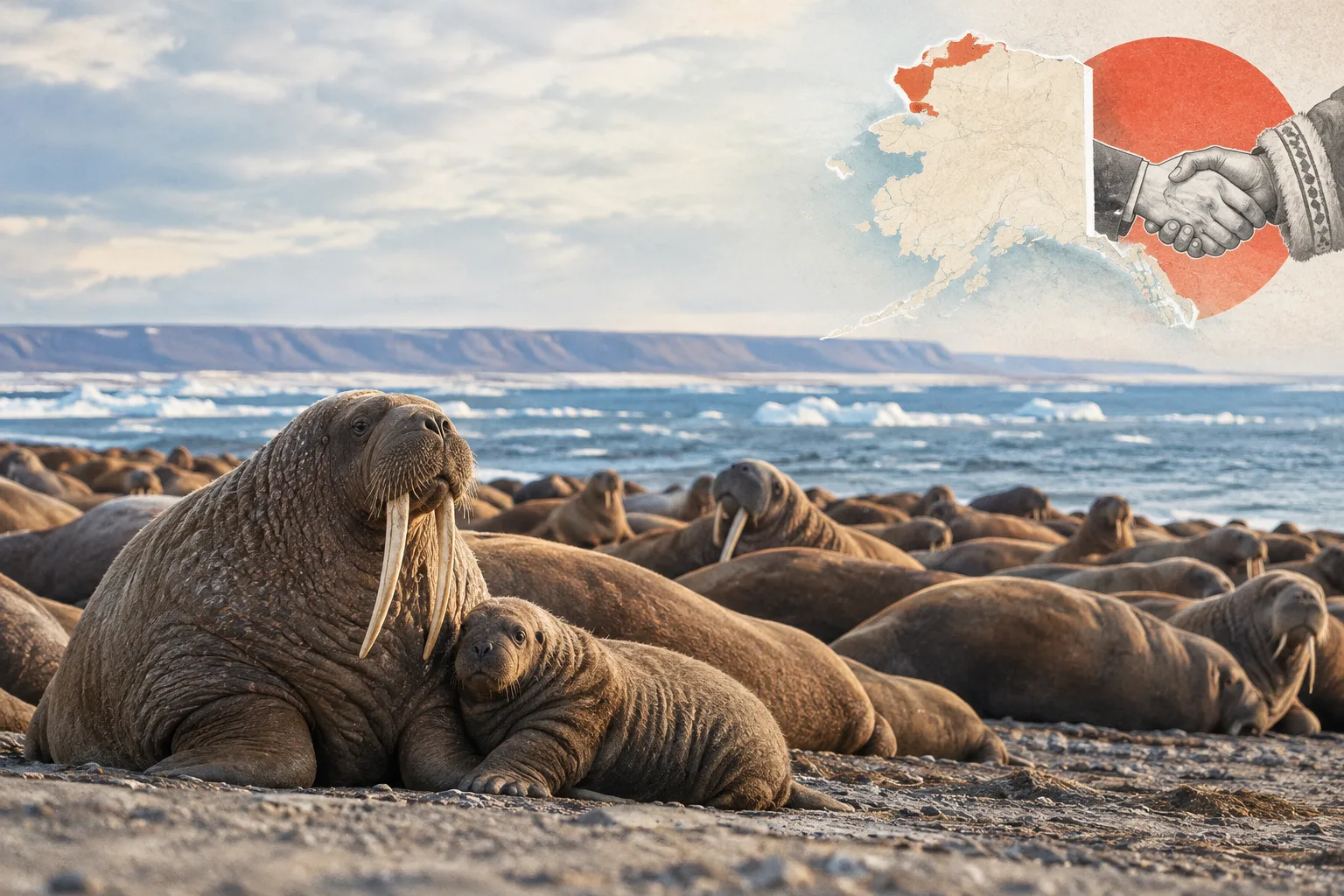
A conservation agreement in north-west Alaska aims to protect nearly 50,000 acres of land used by about 200,000 Pacific walruses, as shrinking sea ice drives females and their young to gather ashore near Point Lay.
The Conservation Fund, a US environmental non-profit, has signed an agreement with the Cully Corporation, the Alaska Native village corporation that owns the land. It is intended to protect the barrier islands and surrounding area from disturbance, including resource development. The amount paid to Cully has not been disclosed.
The agreement comes as walruses increasingly lose access to sea ice they use as a platform to rest near feeding grounds, give birth and nurse their young. In late summer, the ice can retreat beyond the shallow continental shelf, into waters too deep for the animals to feed on the seafloor, marine scientist Chelsea Koch told CNN.
The Point Lay gathering began in 2007 with a few thousand females and calves. It now attracts almost all Pacific walrus females and their young, according to John Wros, Alaska state director for The Conservation Fund. He said the population has been relatively stable, but the loss of sea ice poses a threat.
Large groups on land can be vulnerable to stampedes. Walruses may flee when startled by aircraft, ships or people; Wros said mass deaths have occurred when young animals are crushed. The land agreement is intended to reduce disturbance from commercial activity and tourism while preserving residents’ access to natural resources.
Cully’s chairman, Willard Neakok, said the partnership would help preserve Inupiaq heritage for future generations. The Conservation Fund says its arrangement allows the landowner to retain economic uses of the land while protecting wildlife habitat.
Koch said conservation that supports local stewardship could help protect walrus habitat, but added that such arrangements depend on communities shaping decisions and maintaining access to subsistence resources. The agreement protects land used by the walruses; it does not replace the sea ice they are losing.
Sign in to give this article a thumbs up or down.
From the discussion
Private test discussion. Comments are readers’ views and are not yet automatically fact-checked. Editing is available for 60 seconds after posting.
Sign in with a confirmed reader account and choose a username to read comments and participate.
Sorting applies to top-level comments; replies remain oldest first. New comments and likes can change the order. Refresh for the current ranking.
Loading comments…