News Made Clear · Loading…
Category
Regions
Continents
Dossiers
Topics
AI ANALYSIS & OPINION
 Editorial illustration
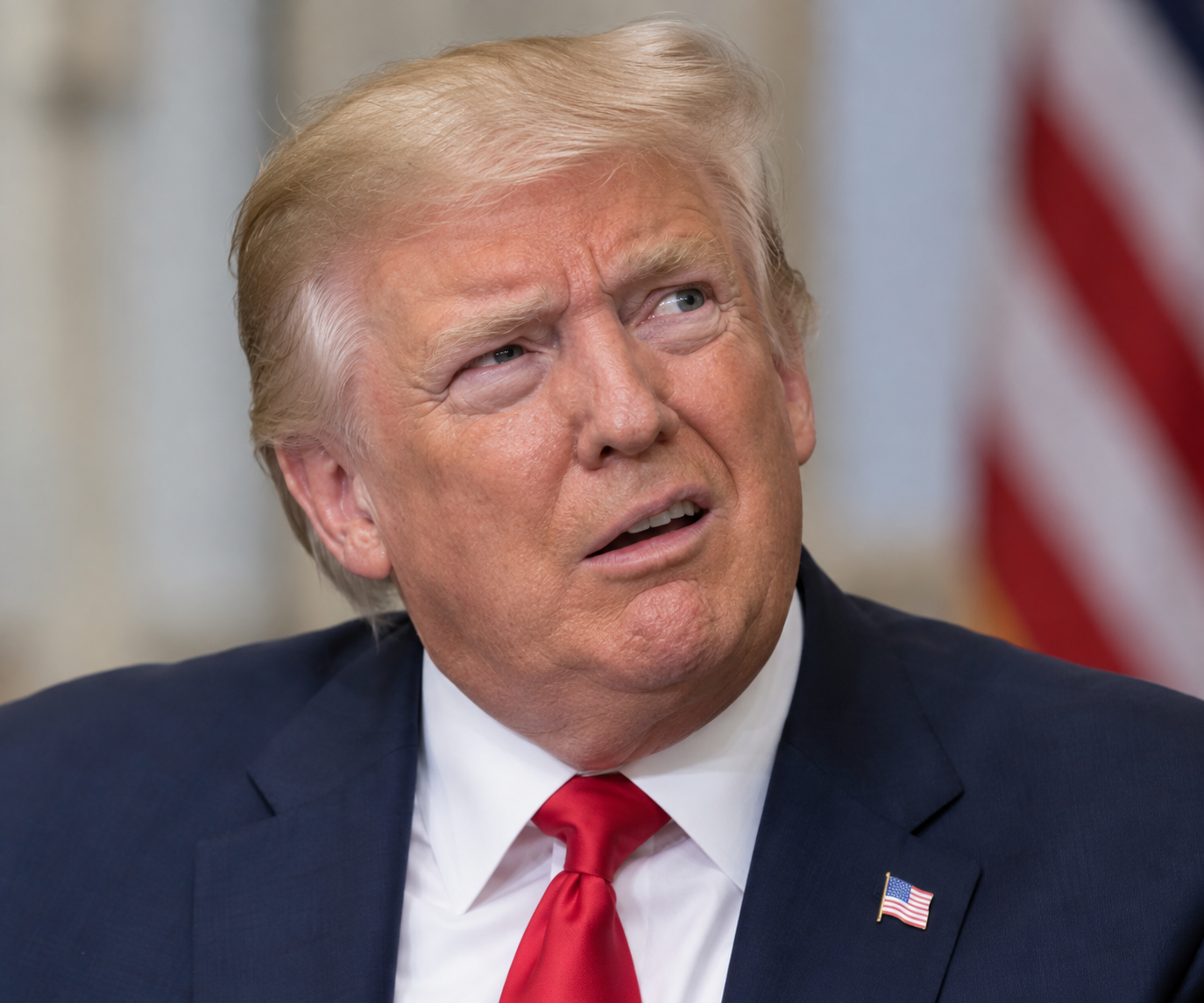
Trump’s claim of Gulf backing for Iran measures remains unconfirmed
Loading statistics…
After talks with Qatar’s prime minister, the president said five Gulf states wanted the US naval blockade and a new land-transit task force to continue. Their shared nuclear objective does not establish support for both measures.
Review information is loading.
Donald Trump named Qatar, Saudi Arabia, the United Arab Emirates, Bahrain and Kuwait in a Truth Social post on 9 November 2026, after meeting Qatari Prime Minister Sheikh Mohammed bin Abdulrahman Al Thani at the White House. He said they and other countries preferred the “status quo”: the blockade of Iran’s ports and Operation Iron Gate.
He said there was “positive momentum” towards an end to the war and suggested a renewed offensive was unlikely, while warning that the US remained “locked and loaded” if circumstances changed. The war began with US and Israeli strikes on Iran on 28 February.
Trump also said the countries agreed Iran could not have a nuclear weapon. The five belong to the Gulf Cooperation Council, whose foreign ministers agreed with the UK in March to work diplomatically to prevent Iran acquiring one. That earlier declaration did not address the two US measures; the governments’ current positions on maintaining both have not been separately confirmed.
Al Thani described his meetings with Trump and Vice-President JD Vance as positive and said they discussed ways to advance US–Iran talks, according to The Times of Israel. His statement, as quoted by the newspaper, did not say whether Qatar wanted either measure to continue.
The blockade is central to talks on reopening the Strait of Hormuz. Iran has proposed ending restrictions on the strait in return for the US lifting its blockade and making other concessions, with nuclear talks to follow. Before the meeting, US Secretary of State Marco Rubio said some Iranian demands were “outrageous and ridiculous” and that the talks had not been very productive.
Axios and the Associated Press reported before the meeting, citing regional officials, that Qatari mediators had discussed a two-day proposal towards a broader deal. The US would lift the blockade and release some frozen Iranian funds, while Iran would invite UN inspectors to bombed nuclear sites. The Strait of Hormuz would reopen before nuclear talks resumed.
A proposal to lift the blockade under a deal would not rule out Qatar favouring its continuation in the meantime.
The meeting followed Republican losses in the previous week’s US midterm elections, in which the party lost both chambers of Congress. Vance and other senior Republicans have blamed the Iran war for the party’s poor performance, Reuters reported.
How do we know?
12 listed sources · explore evidence, limitations and provenance.
- Trump’s Truth (archive): Donald J. Trump: "I had an excellent conversation with Sheikh Mohammed bin Abdulrahman bin Jas... - Trump’s Truth
- trumpstruth.org: Donald J. Trump: "Task Force Iron Gate is in full force and effect in the Islamic Republic of ... - Trump’s Truth
- forth.news: FOR IMMEDIATE RELEASE - CENTCOM Launches Task Force to Disrupt Iranian Ground Transit Routes Supporting Illegal Shipments | US Central Command (CENTCOM) | Forth
Sign in to give this article a thumbs up or down.
About this discussion and AI questions
Private test discussion. Comments are readers’ views and are not yet automatically fact-checked. Editing is available for 60 seconds after posting.
Sign in with a confirmed reader account and choose a username to read comments and participate.
Sorting applies to top-level comments; replies remain oldest first. New comments and likes can change the order. Refresh for the current ranking.
Loading comments…