News Made Clear · Loading…
Category
Regions
Continents
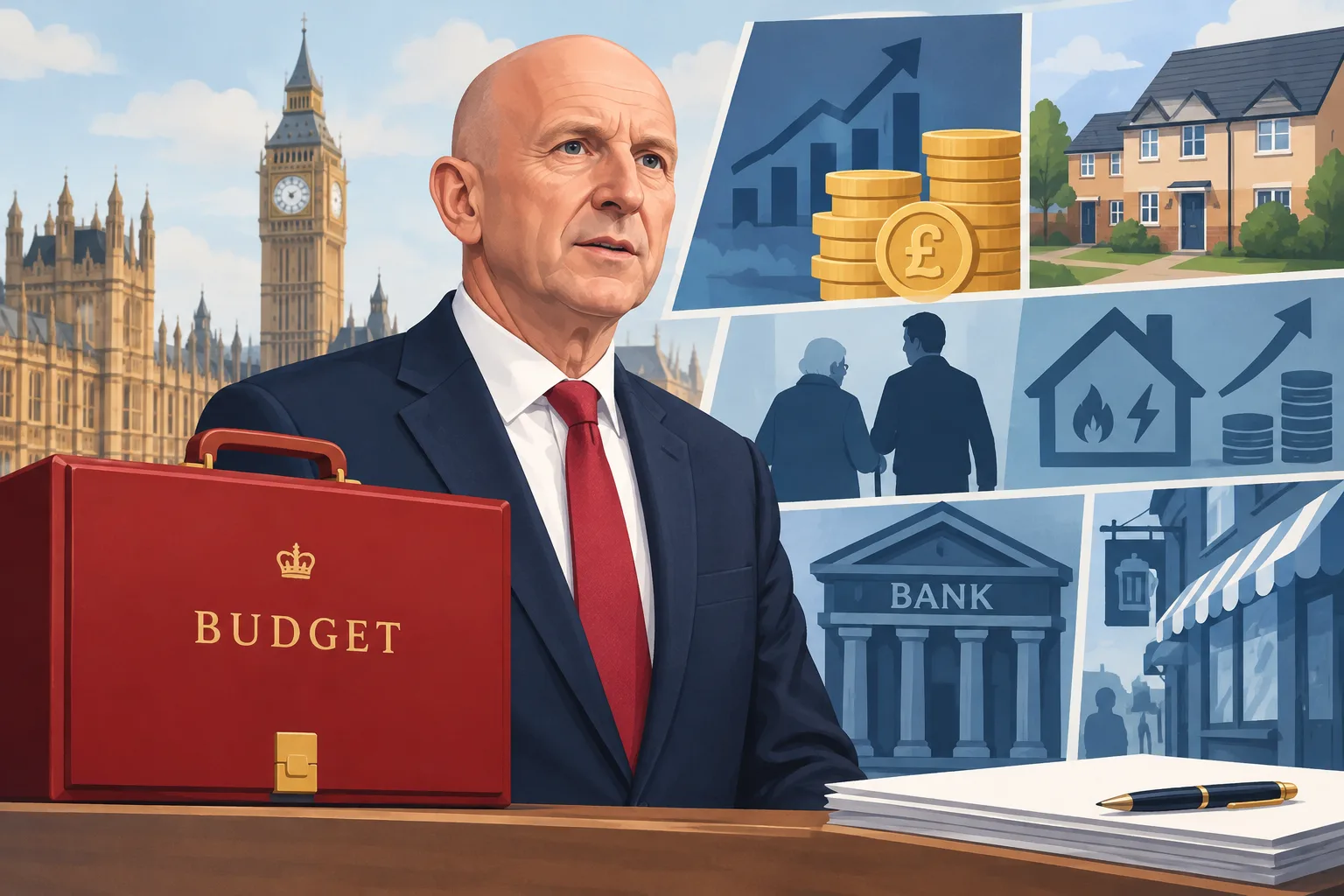
What to expect from John Healey’s first Budget
Loading statistics…
John Healey will present Labour’s first Budget on 28 October, setting out tax and spending plans as the government faces pressure to support households while meeting its fiscal rules. The size of the remaining borrowing buffer is uncertain, with estimates ranging from £12bn to £20bn.
Review information is loading.
Chancellor John Healey is due to set out Labour’s tax and spending plans in his first Budget on 28 October, with limited room to raise revenue and a shrinking margin against the government’s fiscal rules.
The Budget speech will outline how the government plans to raise or cut taxes. The Treasury will publish details and costings, while the independent Office for Budget Responsibility (OBR) will assess the economy and forecast its future performance.
Labour has pledged not to increase income tax, National Insurance or VAT. The government has also committed to two fiscal rules: not borrowing to fund day-to-day public spending by the end of the parliament, and having debt fall as a share of national income by then.
In March, the OBR estimated that the government had £23.6bn of headroom against its day-to-day borrowing rule. That buffer is expected to have narrowed, though estimates differ. KPMG puts it at £12bn, while the Institute for Fiscal Studies estimates £20bn. Higher borrowing costs add to debt interest, while inflation can increase tax receipts.
Measures under discussion
Some potential changes have been ruled out, while others remain uncertain. Healey has not ruled out tax rises generally, but the BBC reports that changes to Capital Gains Tax have been ruled out. Reports also suggest the government has dropped the idea of extending the so-called mansion tax to properties worth more than £1.5m. The existing surcharge is due to apply to properties in England valued above £2m from April 2028.
Bank taxes are one possible source of revenue. Bank executives told the BBC they expect the sector to face higher taxes. The Treasury could raise a surcharge on bank profits, currently 3%, or increase the bank levy, which is based on the size of banks’ balance sheets.
The BBC understands that eligibility limits for the proposed Your First Home scheme will be £110,000 in combined income outside London and £140,000 in the capital. The scheme is intended to help first-time buyers in England purchase new-build homes with a 2.5% deposit, using a loan worth 20% of the property’s value.
The government is also expected to protect low-income pensioners from income tax through a new personal allowance. The full state pension is due to rise above the current £12,570 threshold, which would otherwise leave about one million people liable to pay tax.
Other reported possibilities include making online marketplaces responsible for collecting tax owed by traders using their platforms, with the revenue potentially funding lower business rates for high-street shops. The government is also planning support for small breweries. Healey has not said whether the fuel-duty freeze will be extended beyond the end of the year.
How do we know?
1 listed sources · explore evidence, limitations and provenance.
Sign in to give this article a thumbs up or down.
About this discussion and AI questions
Private test discussion. Comments are readers’ views and are not yet automatically fact-checked. Editing is available for 60 seconds after posting.
Sign in with a confirmed reader account and choose a username to read comments and participate.
Sorting applies to top-level comments; replies remain oldest first. New comments and likes can change the order. Refresh for the current ranking.
Loading comments…