AI ANALYSIS & OPINION
 Editorial illustration
BD’s $3bn US manufacturing plan has a tariff link, but how much is new?
Trump credits forthcoming medical-device tariffs for BD’s $3bn US manufacturing plan. A tariff-linked agreement exists, but BD’s announcement does not say how much of the spending is new.
Review information is loading.
Medical-device maker Becton Dickinson (BD) has announced a $3bn plan to expand US manufacturing under a government agreement that offers conditional relief from possible future tariffs. But it had already announced a $2.5bn US manufacturing programme, and its latest statement does not say how much of the $3bn is additional. That leaves the scale of any tariff-driven increase unclear. [2] [3]
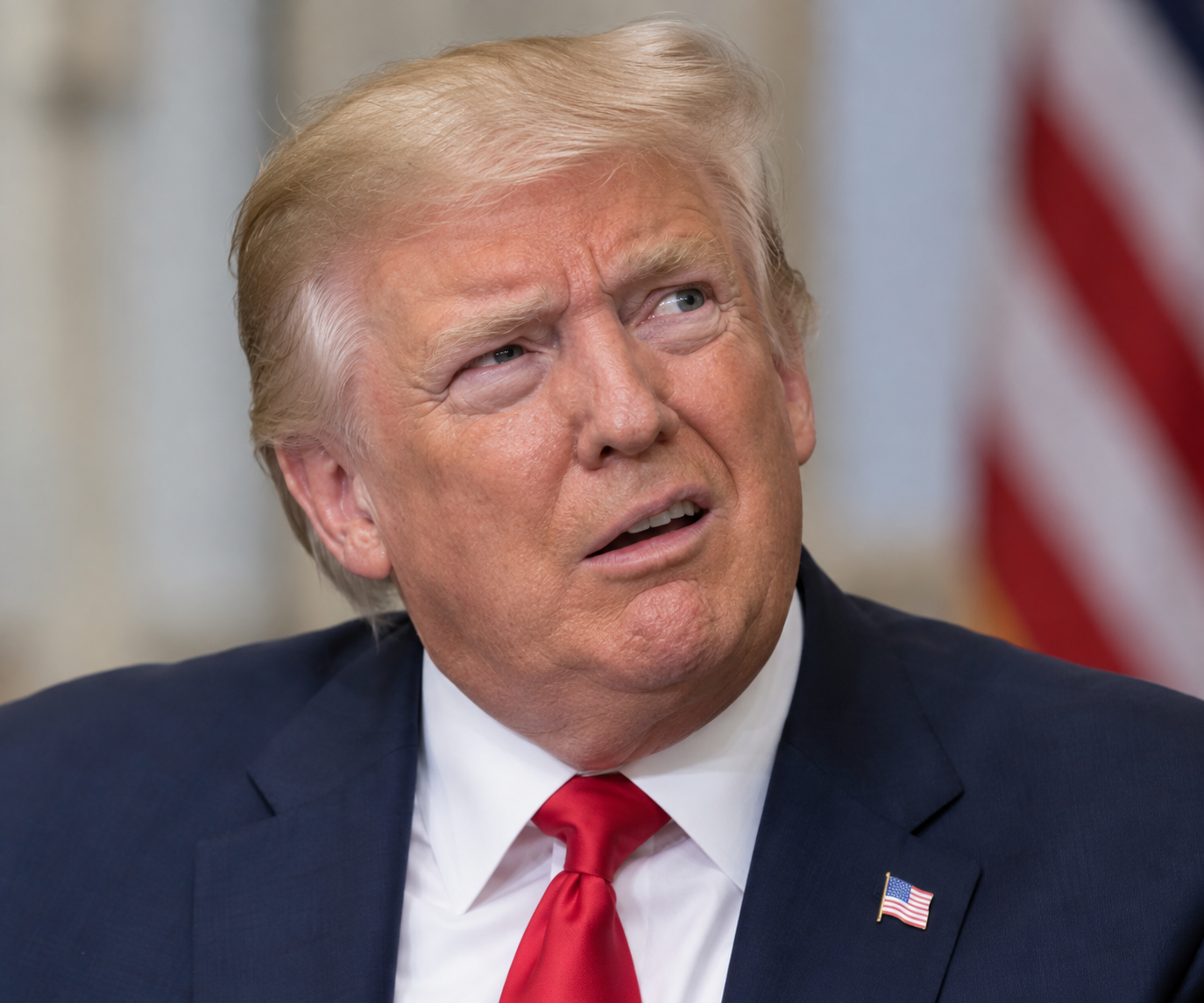
In a Truth Social post archived by Trump’s Truth and dated 5 October 2026 at 11.18pm EDT, President Donald Trump said his forthcoming medical-device tariffs were the reason for BD’s announcement. He also said more than $1bn would go to Nebraska. The post does not explicitly describe the whole $3bn as additional to earlier commitments. BD’s statement the following day set out $19bn of intended US spending over several years, including operational and supply-chain costs, with $3bn directed towards manufacturing expansion. It named facilities in Columbus and Broken Bow, Nebraska, but gave no state-level allocation. [1] [2]
The agreement does establish a tariff connection: BD says it may receive relief from future duties on covered products and inputs if it meets agreed milestones, subject to the eventual tariff rules. The company says that prospect gives it greater certainty for planning. It also aims to add about five billion essential medical consumables a year to end-to-end US production. Those are plans, not completed spending or measured output. [2]
BD’s earlier plans complicate any claim that the full $3bn was prompted by the prospective duties. It announced a five-year, $2.5bn US manufacturing commitment on 1 May 2025. On 4 August 2025, it outlined a syringe expansion costing more than $35m in Columbus, citing demand from hospitals and health systems. On 13 January 2026, it described a $110m Columbus project as part of its broader US commitment, citing demand for biologic medicines and GLP-1 treatments. The October announcement does not reconcile these projects with its new total. [3] [4] [5] [2]
The earlier commitment does not, however, rule out a role for tariffs. BD executives discussed tariffs when announcing it on 1 May 2025. In that earnings call, chief executive Tom Polen also said BD was accelerating the ramp-up of a new facility in China for Chinese customers previously supplied from Nebraska, in response to Chinese tariffs on US-made exports. Those were different duties from the prospective US medical-device measures, but the example shows that tariffs have influenced BD’s production decisions in more than one direction. [9]
Trump said the medical-device tariffs would be in place by the end of 2026. A US inquiry into imports of medical equipment and consumables began on 2 September 2025, but the notice published on 26 September was a request for comments, not a tariff order. BD said on 6 October that final tariff rates, coverage and timing remained undecided. Its agreement makes tariff relief a possible benefit; it does not establish how much additional investment that prospect has prompted. [1] [7] [2]
Sign in to give this article a thumbs up or down.
About this discussion and AI questions
Private test discussion. Comments are readers’ views and are not yet automatically fact-checked. Editing is available for 60 seconds after posting.
Sign in with a confirmed reader account and choose a username to read comments and participate.
Sorting applies to top-level comments; replies remain oldest first. New comments and likes can change the order. Refresh for the current ranking.
Loading comments…