Chapecoense rebuilt after 2016 plane crash that killed 19 players
Chapecoense signed 22 players within weeks of the 2016 crash that killed 19 of their players. Ten years later, the Brazilian club are facing another relegation from Serie A.
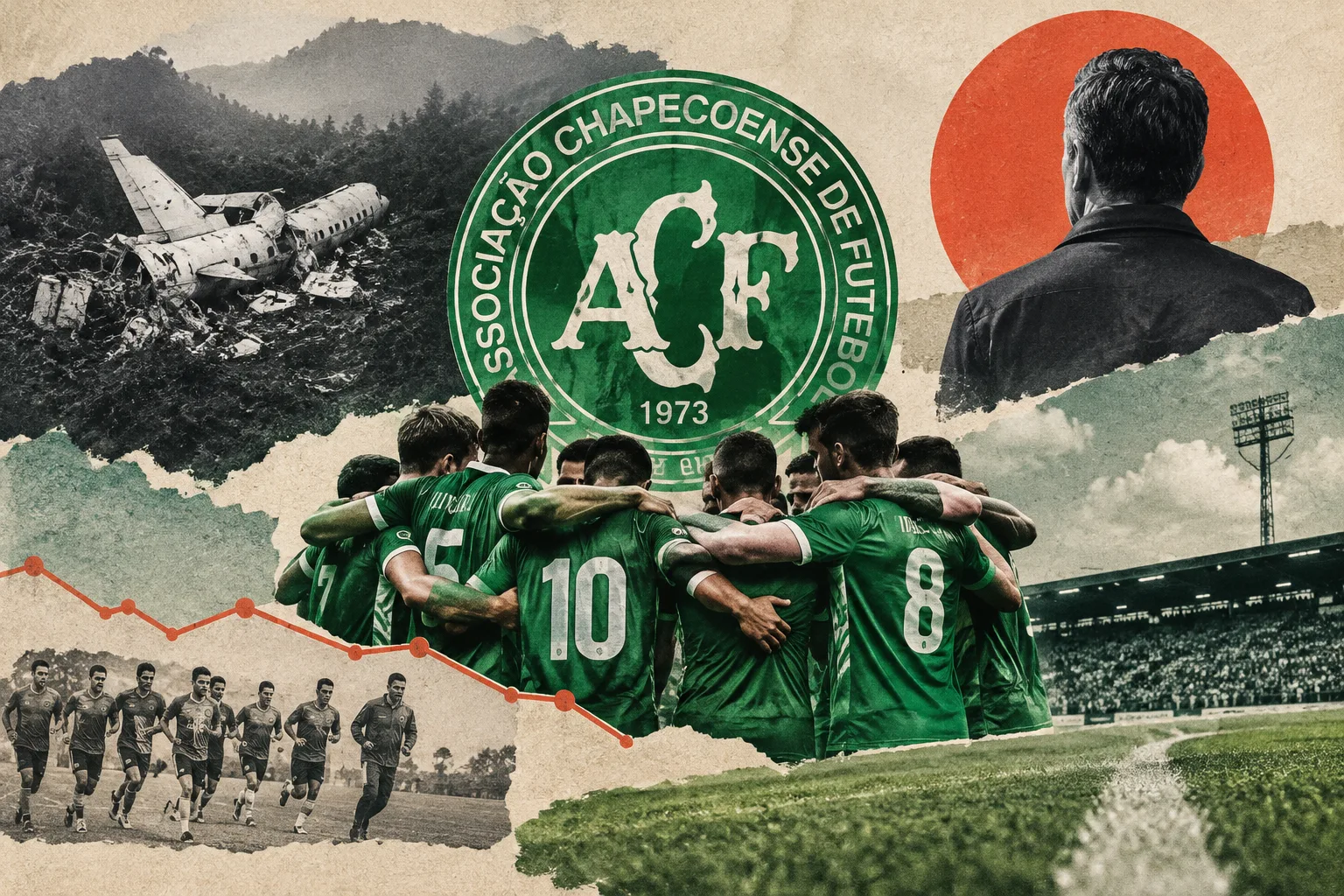
Chapecoense rebuilt their squad within weeks of the 2016 plane crash that killed 71 people, including 19 of the 22 players travelling with the Brazilian club. Ten years on, the team face another relegation from Brazil’s top division, a stark contrast with their rise to eighth in the national league in 2017.
The team had been heading to Colombia for the first leg of the Copa Sudamericana final, their first continental final. The crash happened 18km from Medellín, after the plane ran out of fuel. Investigations in Bolivia and Colombia held the airline and pilot responsible; Colombia’s inquiry also blamed Bolivian regulators. No one has been found guilty in connection with the crash, and families continue to seek justice.
Club vice-president Ivan Tozzo was the only surviving director. He took over as interim president and decided Chapecoense would compete again, despite having only two other senior squad members available, both left behind because of injuries, and a handful of academy players. The three surviving players were not fit to return to the team.
The club hired football director Rui Costa and coach Vagner Mancini, then signed 22 players within weeks, most on loan. Chapecoense returned to the pitch eight weeks after the crash, in a friendly against Palmeiras. In 2017, they played 80 matches, including just five friendlies, won their state championship and finished eighth in the national league.
Tozzo rejected an offer from the Brazilian Football Confederation to protect the club from relegation for three seasons, saying he wanted players to compete without guaranteed survival. Chapecoense stayed up on their own results for those three seasons. They were relegated in 2019, won the second-tier title to return to the top flight, but went back down after one season and spent four more in the second tier before returning to Serie A this year.
The surviving players’ paths diverged. Alan Ruschel returned to professional football nine months after the crash and continued playing for years; he retired this month after helping Juventude win promotion to Serie A. Goalkeeper Jakson Follmann, whose right leg was partly amputated, pursued work as a singer, speaker and author. Defender Neto retired because of pain from his injuries and now speaks on behalf of relatives seeking justice.
Chapecoense’s present season ends with another relegation, but the club’s return to competition began just eight weeks after the crash. Its early recovery brought a league high point in 2017; the years since have included repeated movement between Brazil’s top two divisions.
Sign in to give this article a thumbs up or down.
From the discussion
Private test discussion. Comments are readers’ views and are not yet automatically fact-checked. Editing is available for 60 seconds after posting.
Sign in with a confirmed reader account and choose a username to read comments and participate.
Sorting applies to top-level comments; replies remain oldest first. New comments and likes can change the order. Refresh for the current ranking.
Loading comments…