Contraceptive pill use falls among young women in Britain as hormonal coil use rises
A national survey reported by the BBC found that 32% of women aged 16 to 24 in Britain used the pill, down from 48% about a decade earlier.
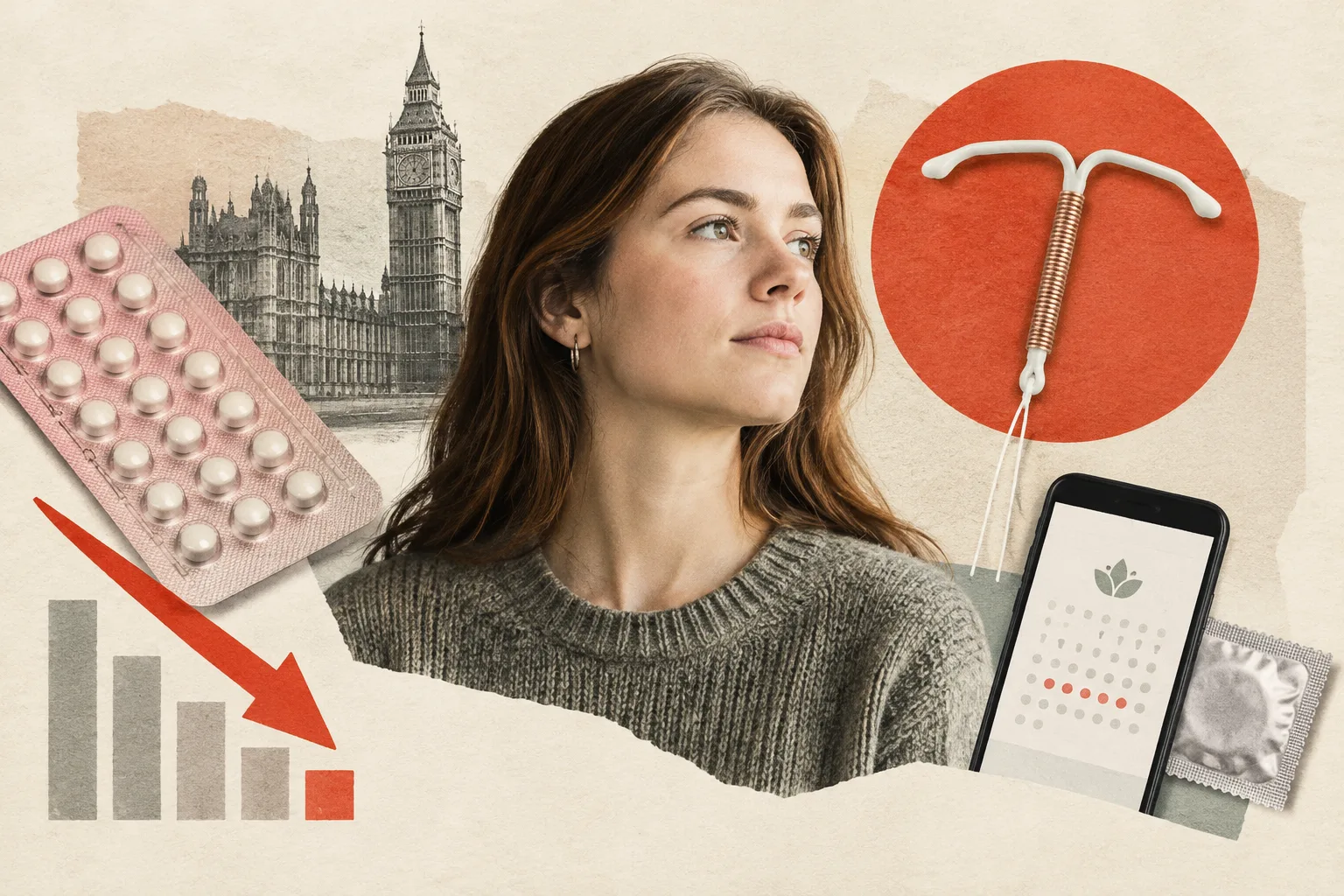
Use of the hormonal coil rose from 4% to 10% over the same broad period, the BBC reports. The National Surveys of Sexual Attitudes and Lifestyles, known as Natsal, surveyed 6,700 randomly selected people aged 16 to 59 across Britain between 2022 and 2024.
Among women of reproductive age, pill use fell from 29% to just under 21%, according to the BBC. The broadcaster says the study also found no increase in the number of unplanned pregnancies and no change in the number of women using no contraception.
The reasons for changing choices are not settled. Experts told the BBC that greater awareness of alternatives and people having less sex could be factors. Dr Neha Pathak, an NHS consultant in sexual and reproductive health, said it was important to understand whether misinformation was driving some concerns about the pill.
Maddison Middleton told the BBC she had worried about the effect of long-term pill use on her future fertility, although she had experienced no negative side effects. She now uses condoms alongside a fertility-tracking app.
A 2018 review found no support for a link between prolonged oral contraceptive use and impaired fertility after stopping, although its authors cautioned that none of the studies were randomised. Mayo Clinic says ovulation typically resumes a few weeks after stopping the combined pill, and pregnancy is possible before the first period returns.
Another woman, Elle-Mae Thompson, told the BBC she felt better within days of stopping the progestogen-only mini pill. She said changing antidepressants had also helped.
Mayo Clinic says the oestrogen in combined pills may increase the risk of blood clots in the legs. Research on breast cancer risk is mixed, it says, while the pill may lower the risk of ovarian and endometrial cancers.
Effectiveness also varies between fertility-awareness methods and depends on how they are used. A 2025 review described one study of the Natural Cycles app that estimated a 7.2% probability of pregnancy over 13 cycles. That figure applies to the app and study concerned, not to all fertility apps; the review’s authors also noted that study volunteers might not represent the wider population.
Sign in to give this article a thumbs up or down.
From the discussion
Private test discussion. Comments are readers’ views and are not yet automatically fact-checked. Editing is available for 60 seconds after posting.
Sign in with a confirmed reader account and choose a username to read comments and participate.
Sorting applies to top-level comments; replies remain oldest first. New comments and likes can change the order. Refresh for the current ranking.
Loading comments…