News Made Clear · Loading…
Category
Regions
Continents
Dossiers
AI ANALYSIS & OPINION
 Editorial illustration
An opening for Belarus is not yet a discount for farmers
Loading statistics…
Washington has already made trade with Belarusian potash companies easier, partly in exchange for the release of political prisoners. The promised benefit for American farmers is less concrete: price, availability and delivery remain uncertain.
AI translation of the original article. Independent human translation review is pending. Read the original
Review information is loading.
For an American farmer, what matters is not how big a president says a deal is, but what fertiliser ends up costing. Potash supplies potassium for crops; cheaper supplies can therefore make a real difference. Trade with Belarus should not, therefore, be rejected out of hand on economic grounds. But a diplomatic opening does not yet mean a lower bill.
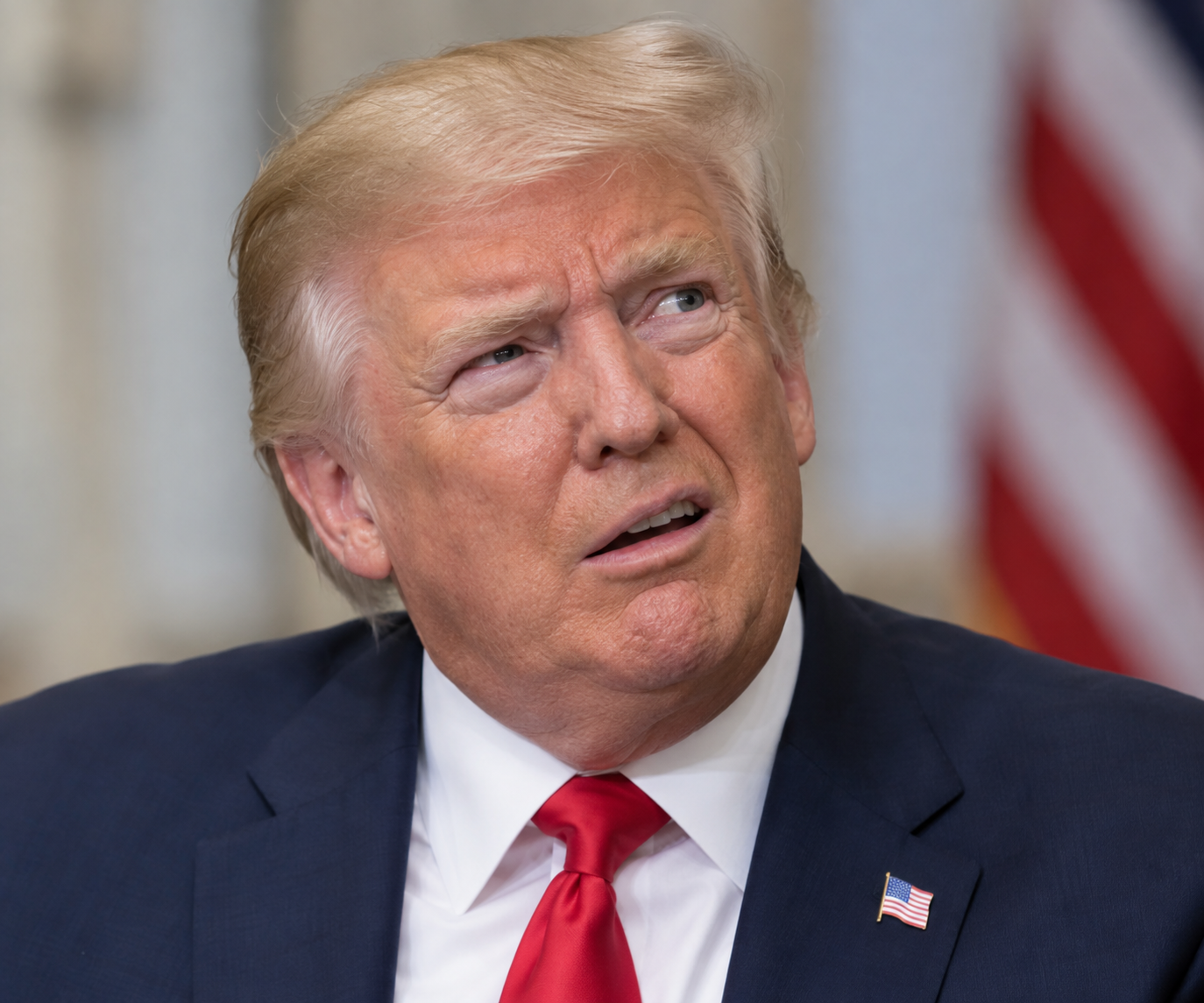
On 21 September 2026, Trump announced that the United States was working on a major potash deal with Belarus. He said the price would be substantially lower than what the United States pays Canada. [1] Washington has already made trade with Belarusian potash companies easier. Political rapprochement has thus progressed further than the public evidence supporting the promised benefit to farmers.
The price must still be lower after transport
Trump’s announcement provides no basis for calculating any savings. It contains no specific prices, quantities, delivery timeframes or contractual terms. Nor does it indicate whether Minsk has agreed to the proposed arrangement. This does not rule out a favourable offer, but the size of the discount cannot be established. [2]
A serious comparison with Canadian potash requires the same product, comparable quantities and delivery dates, and a price at the same delivery location. A lower price at the producer’s gate will not necessarily yield the same saving after transport and distribution. Any benefit must then also reach farms. It is not the purchase price alone, but the final bill farmers pay that determines whether Trump’s promise is worth anything.
A major producer is not the same as readily available supply
Belarus is indeed a significant potential supplier. According to preliminary Canadian figures, in 2024 the country produced almost 16 per cent of the world’s potassium chloride, the main form in which potash is traded. At almost 33 per cent, Canada’s output was roughly twice as large. [10] For the United States, which imports far more potash than it produces, access to another major producer could be relevant. [9]
But production is not the same as freely available supply. On the day of Trump’s announcement, the Belarusian presidential press service reported that talks with the United States were under way, but that large quantities were not available: production for 2026 was already under contract. That does not rule out a substantial agreement for 2027. It does, however, make the missing delivery timeframe important.
How do we know?
13 listed sources · explore evidence, limitations and provenance.
Sign in to give this article a thumbs up or down.
About this discussion and AI questions
Private test discussion. Comments are readers’ views and are not yet automatically fact-checked. Editing is available for 60 seconds after posting.
Sign in with a confirmed reader account and choose a username to read comments and participate.
Sorting applies to top-level comments; replies remain oldest first. New comments and likes can change the order. Refresh for the current ranking.
Loading comments…