England and Wales judges told to always direct juries on rape myths
Judicial College guidance for judges in England and Wales now says juries should always be warned about rape myths, even when advocates have not explicitly relied on them. The change follows Russell Brand’s trial and updates the Crown Court handbook’s previous advice that judges “may” give such directions.
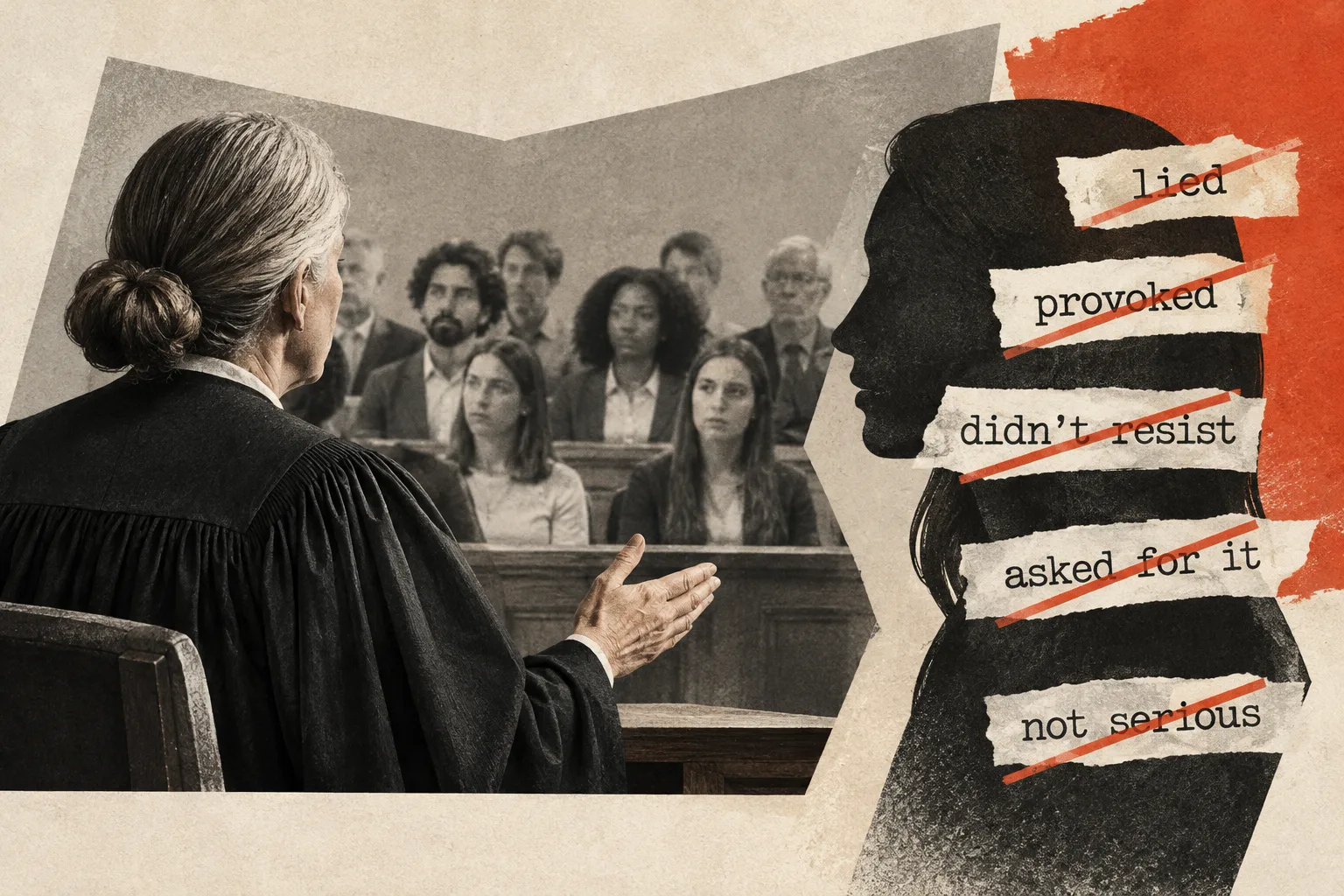
Updated guidance for judges in England and Wales says juries should always be directed on rape myths and stereotypes in sexual-offence trials, including when lawyers have not explicitly relied on them. The change strengthens advice on how jurors should assess evidence, but does not prevent defendants from challenging evidence in court.
The Crown Court Compendium, the Judicial College handbook for judges and recorders, was updated on 24 November. It says directions warning jurors about the potential error of adopting rape myths “remain important and necessary and should always be given”. Previously, the handbook said judges “may” give appropriate directions to counter stereotypes and assumptions.
The updated guidance also says such directions may sometimes benefit a defendant. It gives examples including that people respond differently to serious sexual assault, that there is no single “classic response”, and that a delayed complaint does not necessarily mean it is false.
The revision follows Russell Brand’s trial. His defence barrister, Ian Winter KC, questioned why the complainants had not fought back during his closing speech. Brand was convicted of rape and sexual assault and sentenced to 10 and a half years in prison in November.
After the trial, Justice Secretary Alex Norris urged the Bar Standards Board to take action against barristers who perpetuate myths about victims in court. The new guidance addresses judges’ directions to juries; it is not itself a new rule governing barristers’ conduct.
Crown Prosecution Service national lead for rape and serious sexual offences Siobhan Blake said victims respond to abuse in “wholly different ways” and that there is “no right way” to respond. A CPS study of 3,000 UK adults in 2024 found that 53% of 16-to-24-year-olds recognised that rape can occur without a victim resisting or fighting back; 43% recognised that a victim might not report it immediately.
Sign in to give this article a thumbs up or down.
From the discussion
Private test discussion. Comments are readers’ views and are not yet automatically fact-checked. Editing is available for 60 seconds after posting.
Sign in with a confirmed reader account and choose a username to read comments and participate.
Sorting applies to top-level comments; replies remain oldest first. New comments and likes can change the order. Refresh for the current ranking.
Loading comments…