News Made Clear · Loading…
Category
Dossiers
AI ANALYSIS & OPINION
 Editorial illustration
September polls contrast with Trump’s claim Black voters will reject El-Sayed
Loading statistics…
Two September surveys showed majority support for Michigan Democrat Abdul El-Sayed among Black likely voters before Donald Trump predicted they would reject him. One also found weaker backing for the candidate than for Democratic control of the Senate.
Two September polls put support for Abdul El-Sayed among Black likely voters in Michigan at 67% and 77%, contrasting with President Donald Trump’s categorical prediction on 13 October 2026 that they would not vote for the Democratic Senate candidate.
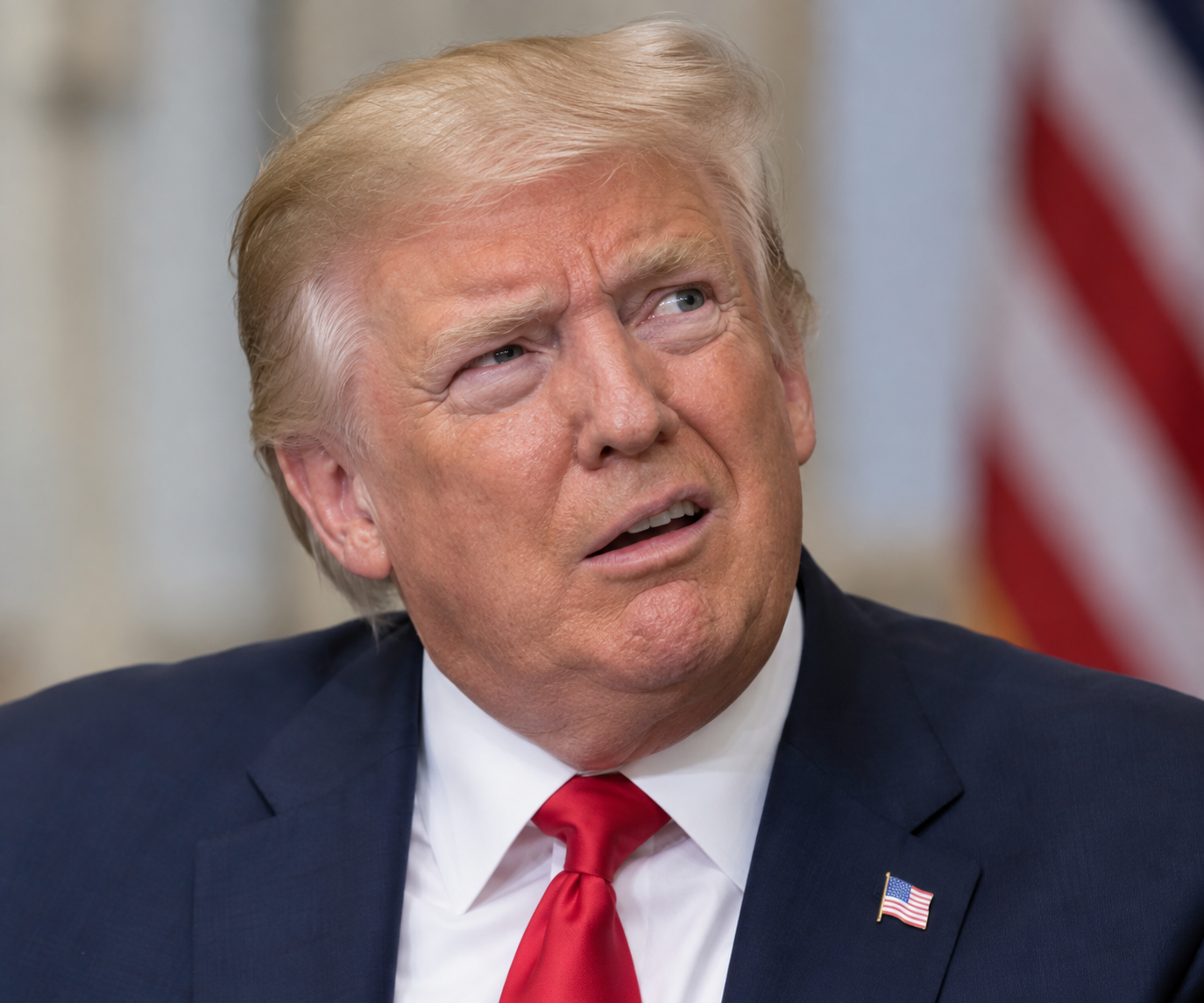
In a Truth Social post reproduced by the Trump’s Truth archive and Breitbart, Trump accused El-Sayed of openly scorning, mocking and disrespecting Black people. He asked why they would vote for him, then declared: “THEY WON’T!”
Trump called the candidate “Mohammed El-Sayed”. Michigan’s official candidate list names Abdul El-Sayed as the Democrat facing Republican Mike Rogers in the US Senate election on 3 November. A separate rally-clip transcript published by RealClearPolitics on 10 October records Trump acknowledging the name Abdul and saying: “I call him Mohammed.”
The Fox News poll, conducted from 24 to 28 September, reported 77% support for El-Sayed and 22% for Rogers among Black likely voters. The margin of error for that subgroup was plus or minus nine percentage points. Statewide, it put El-Sayed at 50% and Rogers at 49% among 1,028 likely voters, with a margin of error of plus or minus three percentage points.
The Washington Post’s joint poll with George Mason University’s Schar School, conducted from 10 to 14 September, reported 67% support for El-Sayed among Black likely voters. In the same group, 83% wanted Democrats to control the Senate. The survey included 803 likely voters statewide, with an overall margin of error of plus or minus 3.9 percentage points and larger margins for subgroups.
El-Sayed’s backing was therefore below the group’s preference for Democratic Senate control. Those are different measures, not evidence of a subsequent switch to Rogers. Both surveys were September snapshots, not November results, and neither tested Trump’s allegation about El-Sayed’s behaviour.
There was also a specific complaint about El-Sayed’s outreach. CNN’s 7 October Inside Politics transcript records an unnamed Black leader in Detroit saying that a promised roundtable invitation never arrived and his text to El-Sayed went unanswered. It also quotes El-Sayed’s earlier general comments on outreach: “I’ve showed up and listened.” He added: “I could spend all my time with any one community, and it probably wouldn’t be enough.”
On 13 October, Inside Politics discussed Rogers’ appeal to Black voters and showed a campaign advert featuring Michigan voter Naura Evans. She said: “I voted for Barack Obama, but this year I’m voting for Mike Rogers.” Dana Bash said the advert had been released the previous day.
The complaint and selected campaign testimonial record individual reactions, not a representative measure of Black voters’ intentions. They do not, by themselves, support a conclusion of group-wide rejection.
How do we know?
11 listed sources · explore evidence, limitations and provenance.
Sign in to give this article a thumbs up or down.
About this discussion and AI questions
Private test discussion. Comments are readers’ views and are not yet automatically fact-checked. Editing is available for 60 seconds after posting.
Sign in with a confirmed reader account and choose a username to read comments and participate.
Sorting applies to top-level comments; replies remain oldest first. New comments and likes can change the order. Refresh for the current ranking.
Loading comments…