Former pastor Cedric Johnson leaves church, but not his belief in God
After a lifetime in evangelical ministry, 84-year-old Cedric Johnson has left church behind but says he has not abandoned God. CNN traces how doubt, personal hardship and his wife’s example reshaped his faith.
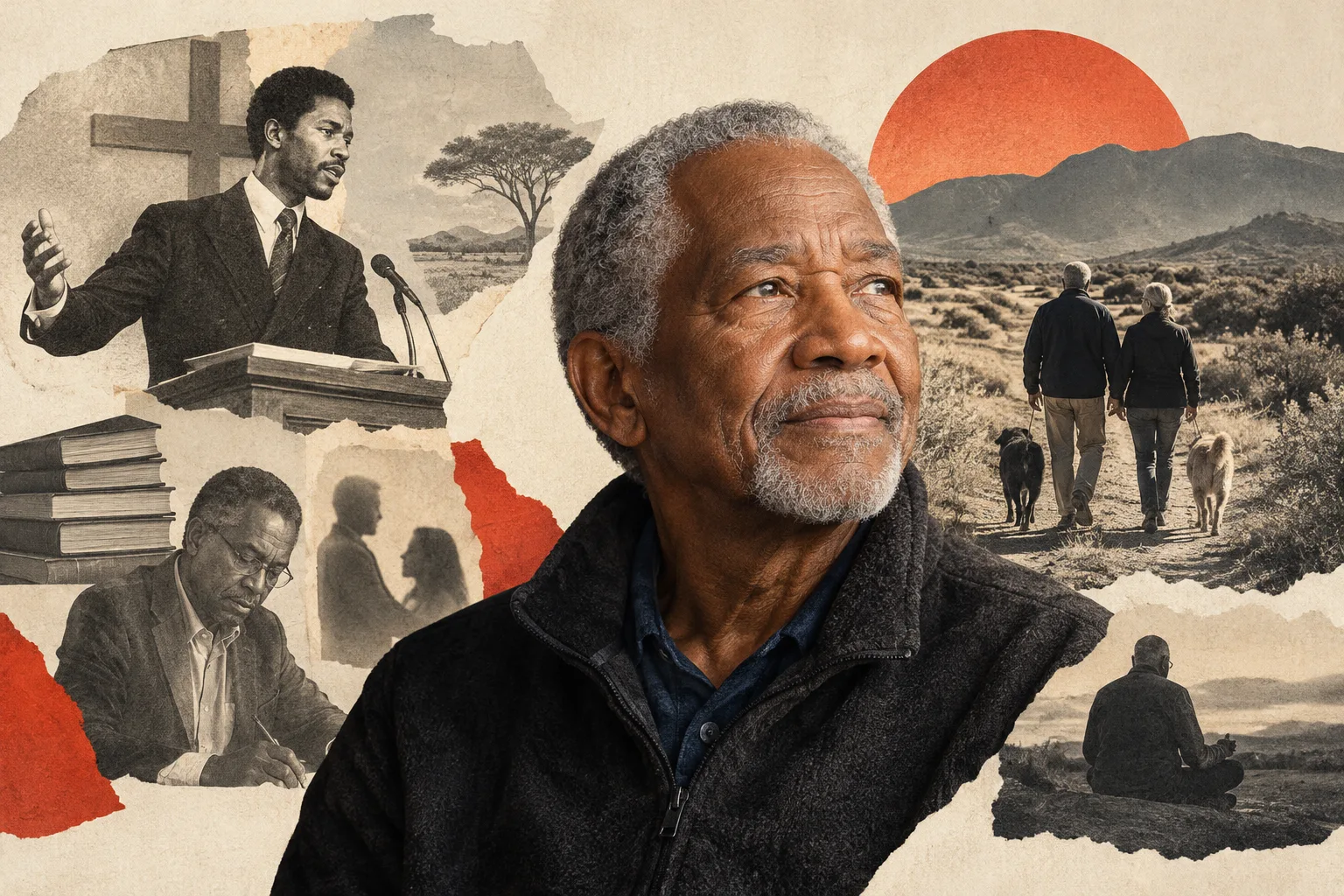
Cedric Johnson spent decades as an evangelical pastor and seminary professor. Now 84, he no longer attends church and calls himself an “ordinary mystic” — a shift shaped, he says, by his wife’s example and his search for a more personal experience of faith.
CNN’s account traces that change from Johnson’s early life in South Africa and Zambia, where his devout Christian mother wanted him to become a pastor, to his work as a preacher, psychology professor and radio host in the United States. He delivered his first sermon at 16 and later shared a stage with evangelist Billy Graham.
His ministry and personal life unravelled. After two marriages ended, Christian friends stopped calling, speaking invitations dried up and his psychological practice lost referrals, CNN reports. Financial strain, including medical bills for a son with schizophrenia, left him close to homelessness.
Johnson’s doubts grew as he encountered people harmed by religious teaching, including a gay man ordered by his church to become heterosexual and a woman told to submit to her physically abusive husband. He kept those doubts largely private until he submitted a book about his questions to Christian publisher Zondervan. His editor said he could not finish the manuscript and that publishing it would fall outside the company’s content standards, CNN reports.
The turning point came in his relationship with Kristine MacKain, whom he met while interviewing for a psychology job. MacKain, a former research scientist, was an agnostic. Johnson says seeing her moved by an open invitation to receive communion made him question why he had never felt a similar emotional connection in church.
He eventually left his radio programme after MacKain challenged him over an advert on the Christian station urging businesses not to hire gay and lesbian people. Johnson said the advert was not part of his programme; MacKain replied that it was still on the station. He later described her as a “truth-teller” who confronted his self-deception.
Johnson says he never stopped believing in God, but stopped attending church because he could not find one that encompassed his changing outlook. He describes himself as a religious “None”, a term used for people who select no religion in surveys, and looks for spiritual meaning through meditation, dreams and time outdoors.
MacKain later came to describe herself as a believer, citing both mystical experiences and Johnson’s daily conduct: his prayers, efforts to help others and refusal to condemn people who hurt him. The couple, married for 26 years, now live in northern New Mexico. Johnson calls a nearby path where they walk with their dogs his new church: the “Spirit Trail”.
Their beliefs were tested when Johnson was hospitalised with sepsis. A doctor asked whether he should be resuscitated if his heart stopped; Johnson and MacKain agreed that he should not be. The episode forms part of the couple’s account of faith as something grounded in experience and their relationship, rather than church membership.
Sign in to give this article a thumbs up or down.
From the discussion
Private test discussion. Comments are readers’ views and are not yet automatically fact-checked. Editing is available for 60 seconds after posting.
Sign in with a confirmed reader account and choose a username to read comments and participate.
Sorting applies to top-level comments; replies remain oldest first. New comments and likes can change the order. Refresh for the current ranking.
Loading comments…