AI ANALYSIS & OPINION
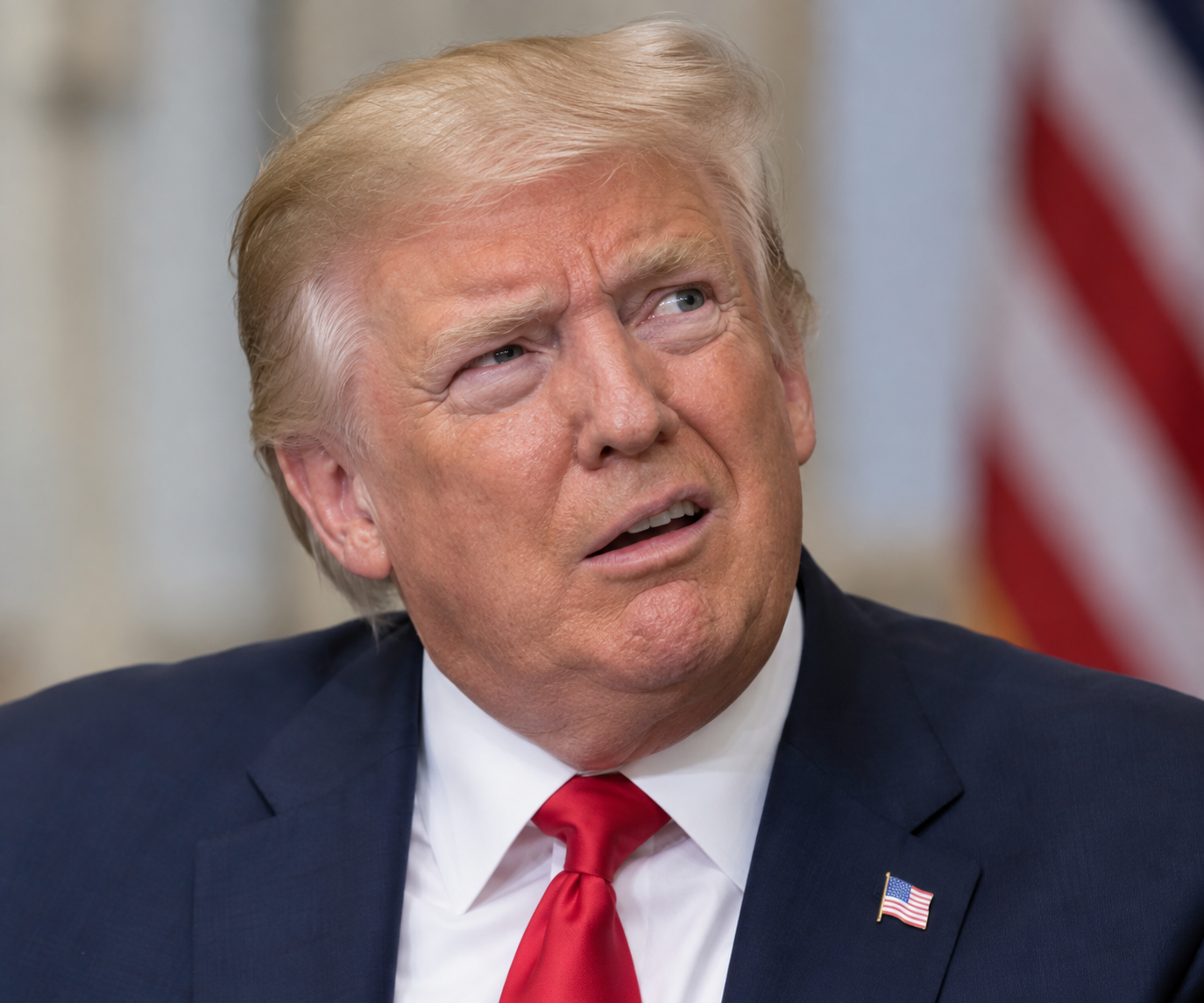 Editorial illustration
Hubbard freed, but Trump’s sanctions claim remains unproven
Russia has freed Stephen Hubbard after more than four years in custody. Donald Trump’s claim that new sanctions would certainly have stopped the negotiations goes beyond what the public record establishes.
Review information is loading.
Russia released American Stephen Hubbard on 21 October 2026 after more than four years in custody, delivering a diplomatic result that Donald Trump is using to defend his Russia sanctions policy. But the release does not establish his claim that new penalties would certainly have ended the negotiations. [1] [8]
In a post on his Truth Social account that day, Trump said that, had sanctions been imposed, “certainly those negotiations would have come to a complete and total halt”. He did not specify which sanctions he meant. [1]
Hubbard’s release was announced during US envoy Steve Witkoff’s visit to St Petersburg. Witkoff thanked Russian President Vladimir Putin for freeing him, and Putin said the American was at Pulkovo airport. [8]
A retired teacher from Michigan, Hubbard had been sentenced after a closed Moscow trial in October 2024 to six years and ten months in prison on mercenary charges. Washington designated him wrongfully detained in January 2025. His lawyer told Reuters that Hubbard denied having any combat or military role. [9]
New penalties, not an end to sanctions
The immediate policy backdrop was Trump’s 16 October executive order waiving new measures under the Graham Act, a Russia and Iran sanctions law he had signed on 18 September. Many of the new penalties were due to take effect on 18 October. [2] [10]
The waiver covered financial and investment restrictions as well as steep tariffs. The order set out, but waived, additional US import duties of 500% on Russian goods and 100% on goods from specified major buyers of Russian oil and gas and countries facilitating oil-sanctions evasion, subject to statutory conditions and exceptions. [2]
The law permits presidential waivers after a written national-interest certification and an explanatory report to Congress; Trump’s order says both were submitted. The order also left earlier executive-order sanctions in place. Negotiations and existing penalties therefore coexisted, although that does not establish how Moscow would have reacted to a new escalation. [2] [3]
The administration had previously presented sanctions as leverage for diplomacy. On 28 July, the White House budget office backed the bill as a way to encourage Russia “to accept terms for peace”, while also endorsing broad presidential discretion to waive its measures. That position concerned peace negotiations, rather than the specific conditions for Hubbard’s release. [4]
Several reasons for the pause
The waiver drew criticism from US lawmakers, including fellow Republicans, and from Ukrainian President Volodymyr Zelenskyy, who said it encouraged Russia to keep fighting. [10]
Secretary of State Marco Rubio had offered economic and diplomatic reasons for holding back the measures. In remarks released by the State Department and reproduced by Forth, he said on 17 October that he thought Trump wanted 60 days to assess the effects of sanctions and tariffs on the US and global economies. He pointed to strained energy supplies and India’s position as a US partner. On 19 October, he cited ongoing talks with Ukraine and Russia, as well as efforts to finalise a trade deal with India. [5] [6]
The prisoner negotiations were also public before Hubbard was freed. The New York Times, in a report republished by The Philadelphia Inquirer, said Trump had referred to “hostage negotiations” on 18 October without naming a prisoner. [11]
On 20 October, ABC News reported, citing two US officials and another person familiar with the matter, that Witkoff and Trump’s son-in-law Jared Kushner were leading talks centred on Hubbard. Its sources described negotiations as being in their final stages but cautioned that nothing had been finalised and the arrangement could still fall through or change in scope. [7]
Trump said that day that he had spoken to Putin at length about Hubbard and asked for his release. In a separate message announcing the outcome on 21 October, he said the US “was not required to give anything in return”. That was his account of the terms, rather than a disclosed agreement. [7] [12]
The sanctions post also said numerous people who had demanded immediate penalties had called to apologise. It named none of the callers and gave no dates for those conversations. [1]
Despite Rubio’s description of a 60-day review, the executive order contains no automatic expiry after that period. The waivers continue until Trump or the designated officials determine that further action is appropriate. [2]
A fresh sanctions escalation could have endangered sensitive negotiations. But the sequence of a waiver, talks and a release does not establish that the deal depended on withholding the new measures. Hubbard’s freedom is a concrete result; Trump’s certainty about what sanctions would have done remains unsubstantiated in the public account of the deal.
Sign in to give this article a thumbs up or down.
About this discussion and AI questions
Private test discussion. Comments are readers’ views and are not yet automatically fact-checked. Editing is available for 60 seconds after posting.
Sign in with a confirmed reader account and choose a username to read comments and participate.
Sorting applies to top-level comments; replies remain oldest first. New comments and likes can change the order. Refresh for the current ranking.
Loading comments…