Incoming progressive House Democrats split over forming a bloc after opposing Jeffries
Seven incoming progressives opposed Hakeem Jeffries’s House Speaker bid, but they disagree over whether to unite as a formal bloc. Their small numbers limit their leverage as Democrats prepare to take control of the chamber.
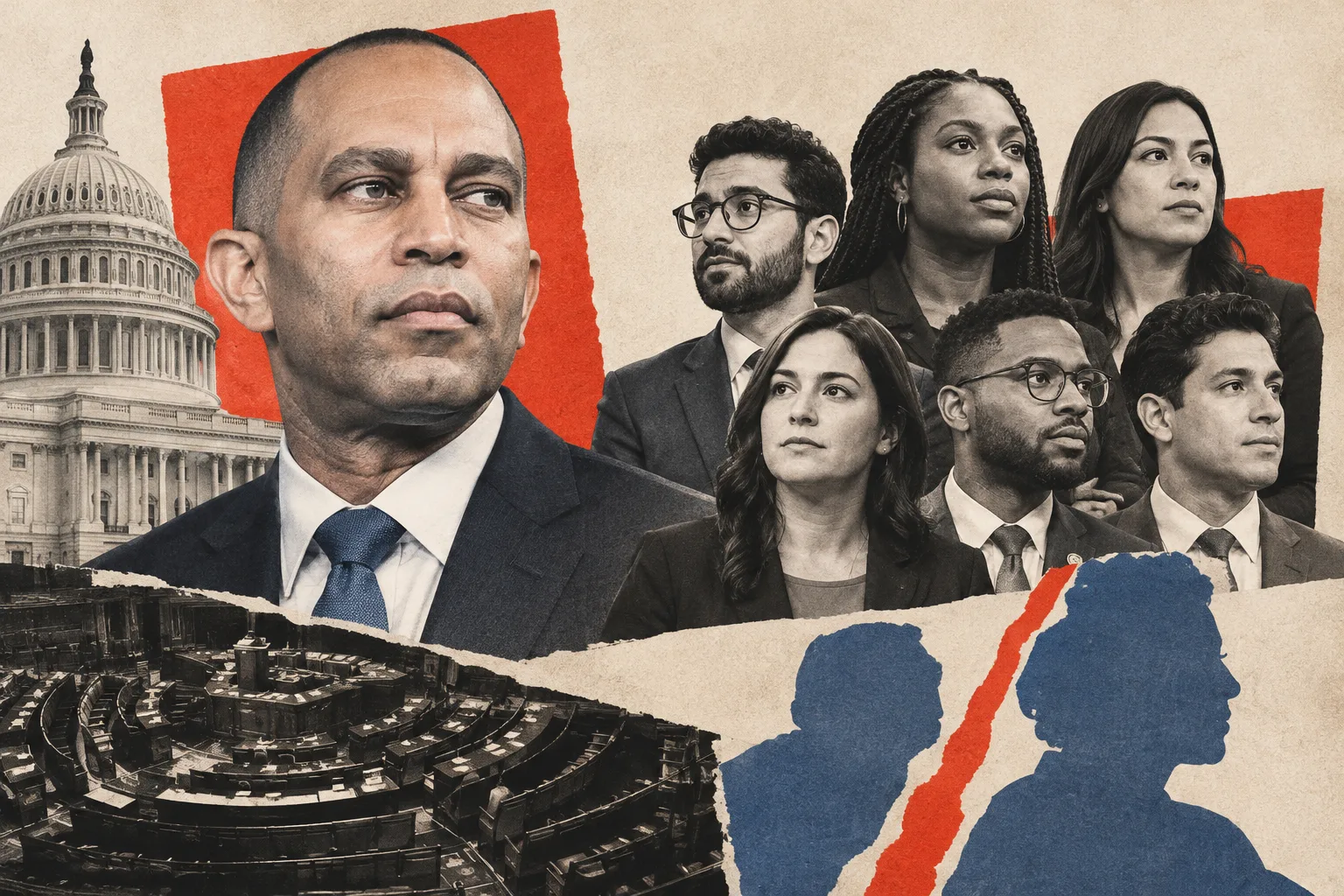
Seven incoming progressive Democrats have publicly opposed Hakeem Jeffries’s bid to become Speaker of the US House, but they are divided over whether to organise as a formal faction and what to call themselves.
The seven said they were pressing for action on Medicare for All, immigration enforcement, campaign finance and Gaza. Their challenge comes as Democrats prepare to take control of the House, and raises questions about how much leverage a small group can exert over the party’s agenda.
The lawmakers have become known informally as the “Bloc”, but some are wary of adopting a single name or presenting themselves as a breakaway group. New Jersey Representative-elect Adam Hamawy said labels could exclude others who shared their values. Pennsylvania Representative-elect Chris Rabb said the aim should be to build bridges, not create an “ideological island”.
Others see value in acting together. New York Representative-elect Claire Valdez said collective organising and strategy could give the lawmakers greater influence. The disagreement echoes a broader question facing the group: whether to seek power by operating as a united faction or by negotiating with party leaders individually.
The numbers are a constraint. Jeffries won the Democratic nomination for Speaker by 251 votes to 11 in a secret ballot. The seven signatories were among those opposing him; several other Democrats also voted against him. They would need about 40 members to threaten the party’s control of the House floor, POLITICO reported.
Jeffries’s allies have urged the newcomers to work with him rather than make demands before the formal Speaker vote, expected in early January. Representative Greg Meeks said he would not use their approach. Jeffries, asked whether he needed to win over the defectors, said the nomination result spoke for itself.
There are also signs of common ground. Jeffries has endorsed lowering the Medicare eligibility age, a priority shared by many on the Democratic left. Representative Alexandria Ocasio-Cortez, who backed Jeffries, said she saw productive work on shared priorities rather than concessions. Hamawy said the incoming members could still reach agreement if there was movement on issues important to them.
Sign in to give this article a thumbs up or down.
From the discussion
Private test discussion. Comments are readers’ views and are not yet automatically fact-checked. Editing is available for 60 seconds after posting.
Sign in with a confirmed reader account and choose a username to read comments and participate.
Sorting applies to top-level comments; replies remain oldest first. New comments and likes can change the order. Refresh for the current ranking.
Loading comments…