Mark Allen’s struggles renew calls for stronger mental-health support in snooker
Mark Allen’s public account of serious distress has renewed questions about the pressures of professional snooker and whether its existing mental-health support is enough. The governing body’s charity partner has provided more than 180 counselling sessions since 2021, but some players want professionals available at tournaments.
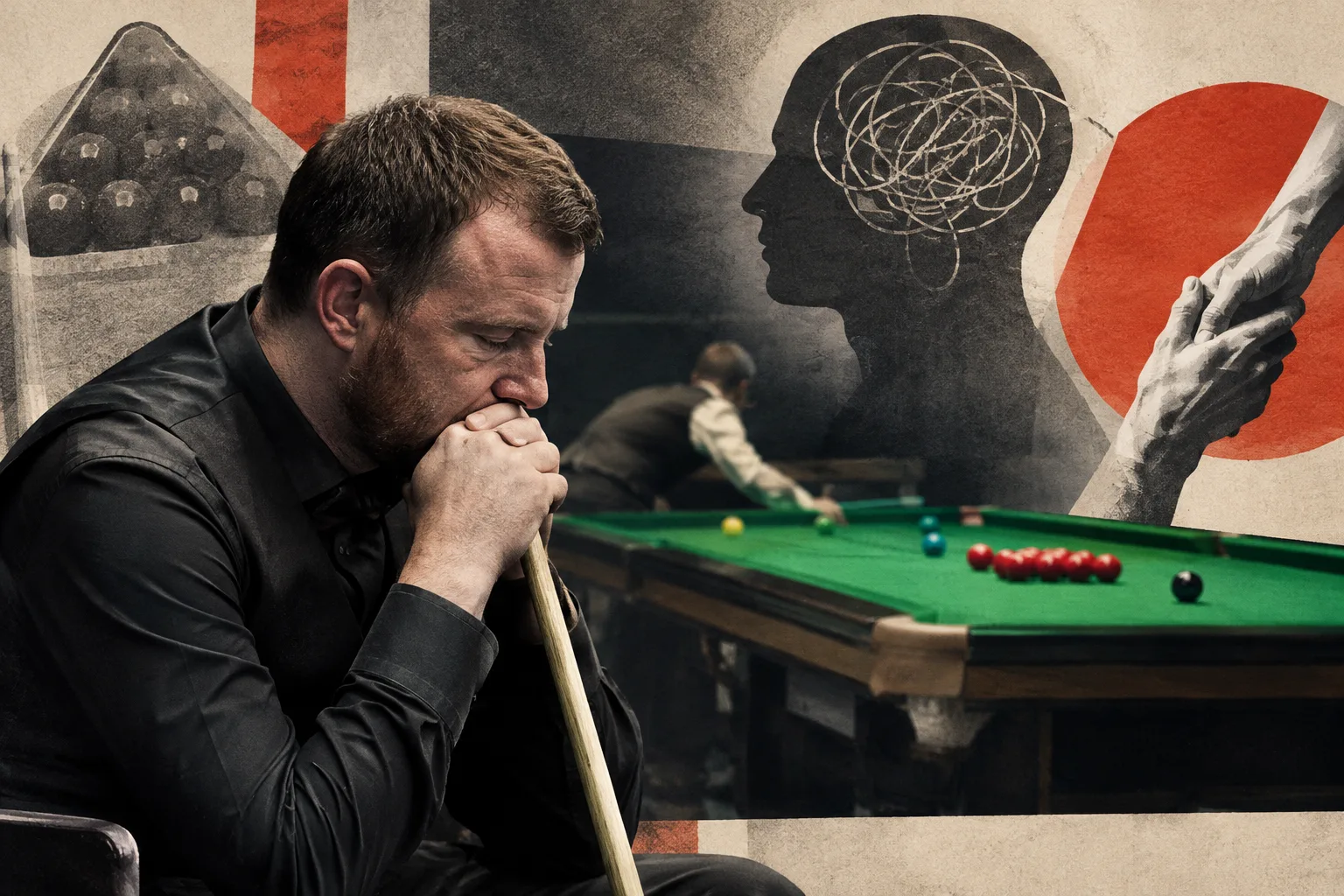
Snooker players can spend hours practising alone, then face long spells powerless in their chair while an opponent plays. That combination of isolation and pressure is fuelling calls for stronger mental-health support in the sport, after world number 11 Mark Allen spoke publicly about a period of serious distress.
Allen said after losing at the Northern Ireland Open that he was in a “bad place”, did not see a future in the game and was “just trying to survive”. He had spent 10 weeks in a mental-health clinic, he said, and planned to continue treatment. In early November, he wrote that the future was “looking brighter”; this week he described himself as going through a “very tough” time and “definitely stuck in a major low right now”. He has not publicly explained the reasons for his struggles or said whether they are related to snooker.
The experience has resonated with other players. Gary Wilson, who has spoken about bouts of depression during his 22-year career, called snooker “a very lonely sport”. He described practising alone for six to eight hours a day in a dark room and said the sport could be more mentally destructive than many other individual sports.
Ken Doherty, the 1997 world champion, said the difficulty of waiting while an opponent plays was central to snooker’s psychological pressure. “In snooker, when you're sitting in your chair and your opponent is at the table, you can do nothing,” he told BBC Sport. “Only sit and bear it.”
The sport’s individual nature, long hours alone and the pressure of small mistakes can all take a toll, according to the BBC report. Wilson said players further down the professional tour were also struggling, and argued that “every couple of years, this coming out and nothing being done about it, isn’t really good enough”.
Support in place, but questions remain
Since 2021, snooker’s governing body, the World Professional Billiards and Snooker Association (WPBSA), has partnered with the Sporting Chance charity to provide mental-health support. The charity has delivered more than 180 counselling sessions over the past five years, covering a range of issues. Players can call a confidential, round-the-clock helpline and be referred for free treatment with a qualified therapist, typically over six to 12 sessions.
The service requires players to reach out themselves. Wilson said players might be more inclined to seek help if mental-health professionals were available at tournaments. Ronnie O’Sullivan and Mark Selby have also called for on-site support.
Doherty, who sits on the WPBSA players’ board, said the existing arrangement gives players an individual counsellor and protects their privacy. He said the board had considered having someone at tournaments, but believed players might not use the service. WPBSA chairman Jason Ferguson said the priority was to keep telling players that help was available.
Wilson has also questioned the sport’s expectation that players keep their emotions in check. The debate over support and how players can express distress comes as Allen is due to play in the UK Championship, which starts on Saturday. He has been drawn against qualifier Yuan Sijun, but has not said publicly whether he will compete.
Sign in to give this article a thumbs up or down.
From the discussion
Private test discussion. Comments are readers’ views and are not yet automatically fact-checked. Editing is available for 60 seconds after posting.
Sign in with a confirmed reader account and choose a username to read comments and participate.
Sorting applies to top-level comments; replies remain oldest first. New comments and likes can change the order. Refresh for the current ranking.
Loading comments…