More than a quarter of Dutch pupils ask AI questions they cannot ask people
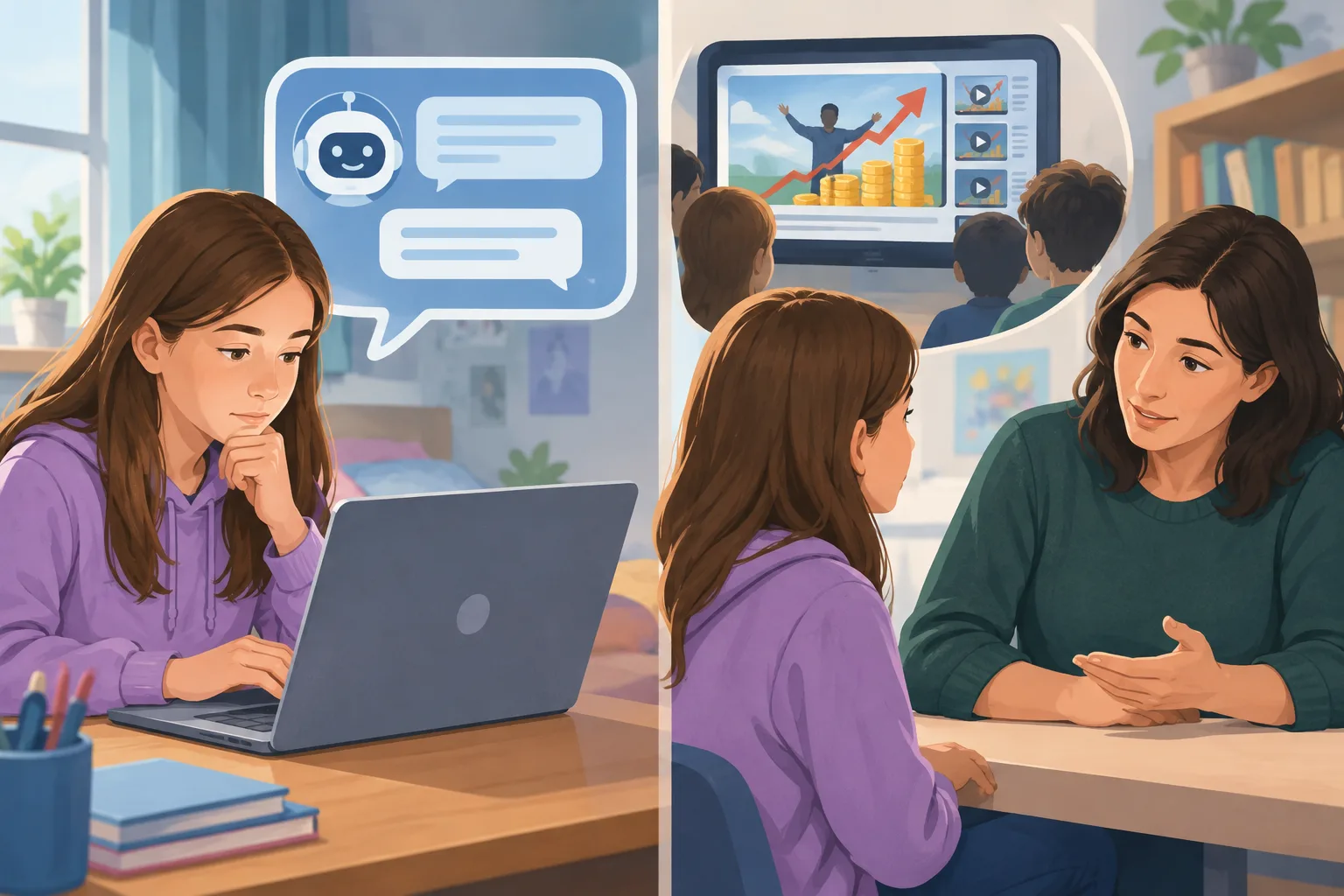
A survey of more than 165,000 Dutch pupils found that 26% of children in years 7 and 8 sometimes or often ask AI questions they do not dare ask people they know. Child welfare organisations say chatbots may help, but should not replace trusted human contact.
Review information is loading.
More than a quarter of Dutch primary pupils in years 7 and 8 say they sometimes or often ask AI questions they do not feel able to ask people they know, according to a survey involving more than 165,000 pupils. The finding has prompted child welfare organisations to stress that children need trusted adults as well as clear signals about whether they are speaking to a person or a chatbot.
The survey was conducted by MediaMasters, UNICEF Netherlands and the Children’s Helpline during Media Literacy Week. The organisations did not provide further details in their announcement about how the pupils were selected or how the survey was conducted.
Children aged eight to 13 ask the Children’s Helpline about five times a week whether they are speaking to a person or AI, the organisations said. Helpline director Roline de Wilde said she was not surprised that some children share questions with AI before a person, but called it concerning. Safe chatbots could help children, she said, but should not replace human contact.
A UNICEF spokesperson cautioned that chatbot advice could be wrong or misleading, and that children might place too much trust in it. The organisations recommend discussing AI use at home and in the classroom.
The research also found that more than half of pupils in years 5 and 6 encounter online videos suggesting it is easy to become rich. Most said they did not believe the videos could make them rich. MediaMasters editor Sarah Hijmans said repeated exposure could still shape children’s ideas about money and success.
De Wilde said young callers regularly tell the helpline about online material they consider unsuitable for their age, including scam messages promising money, sexual images and violence. She urged adults to stay involved in children’s online lives.
Sign in to give this article a thumbs up or down.
About this discussion and AI questions
Private test discussion. Comments are readers’ views and are not yet automatically fact-checked. Editing is available for 60 seconds after posting.
Sign in with a confirmed reader account and choose a username to read comments and participate.
Sorting applies to top-level comments; replies remain oldest first. New comments and likes can change the order. Refresh for the current ranking.
Loading comments…