Myanmar calls Rohingya genocide ruling unfair and disputes evidence
Myanmar disputes the International Court of Justice’s finding that it committed genocide against the Rohingya, as questions turn to how the judgment will be enforced.
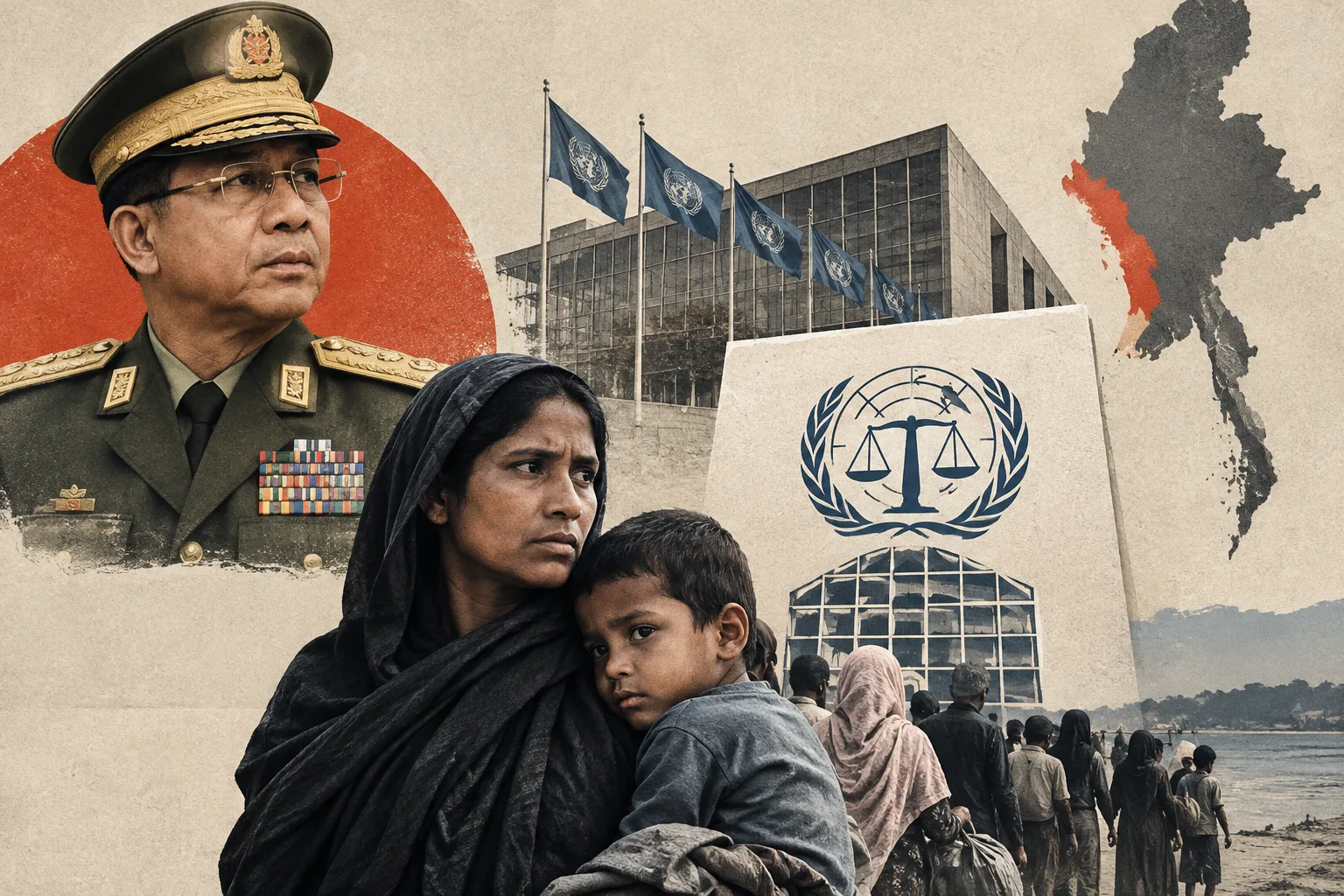
Myanmar’s government has called the UN’s top court’s ruling that the country committed genocide against the Rohingya “unfair”, casting doubt on its response to a judgment requiring reparations and the safe return of refugees.
A spokesperson for President Min Aung Hlaing pointed to the divided vote, telling reporters: “Not all 15 judges agreed with the decision. So it was not a decision made unanimously. I would say that it was unfair.”
On 19 November, the International Court of Justice (ICJ) found by nine votes to six that Myanmar committed genocide during its 2017 military campaign against the Rohingya in northern Rakhine state. The case, brought by The Gambia in 2019, concerned the responsibility of the state, not the criminal guilt of an individual.
The UN said it was the first time the ICJ had found a state responsible for committing genocide. Its judgment is final and binding, but the court cannot enforce it itself.
In a separate statement, Myanmar’s foreign ministry argued that the evidence did not meet the standard needed to establish genocide. It said its actions in northern Rakhine from 2016 to 2018 were limited counter-terrorism operations, lasting only days, in response to attacks by the Arakan Rohingya Salvation Army (ARSA).
In 2018, the chair of an independent UN fact-finding mission said it had verified similar operations at 54 locations in northern Rakhine and that more than 725,000 Rohingya had fled. He said ARSA attacks contributed to the escalation but described the security forces’ operations as “brutal and utterly disproportionate”.
The court said evidence indicated that Myanmar forces killed about 10,000 Rohingya, AP reported. According to the BBC, the court inferred genocidal intent from the actions of Myanmar’s security forces and local militias against the Rohingya.
The court ordered reparations, arrangements for refugees to return safely and punishment of perpetrators, according to the Associated Press. AP reported that the ministry’s statement did not commit to the court-ordered remedies. The ministry said it would study the judgment and continue verification and repatriation of people in Bangladesh when conditions permit.
Rohingya activist Nay San Lwin welcomed the ruling but called for international action. “Without action and support from the international community, the court’s order will remain only a declaration,” he told AP.
Sign in to give this article a thumbs up or down.
From the discussion
Private test discussion. Comments are readers’ views and are not yet automatically fact-checked. Editing is available for 60 seconds after posting.
Sign in with a confirmed reader account and choose a username to read comments and participate.
Sorting applies to top-level comments; replies remain oldest first. New comments and likes can change the order. Refresh for the current ranking.
Loading comments…