Nearly half of Dutch residents saw or suspected suspicious activity in their neighbourhood in 2025
Nearly half of Dutch residents aged 15 and over said they had seen or suspected a potentially suspicious situation in their neighbourhood in 2025, a CBS survey found. Money laundering and drug-related activity were the most commonly reported concerns.
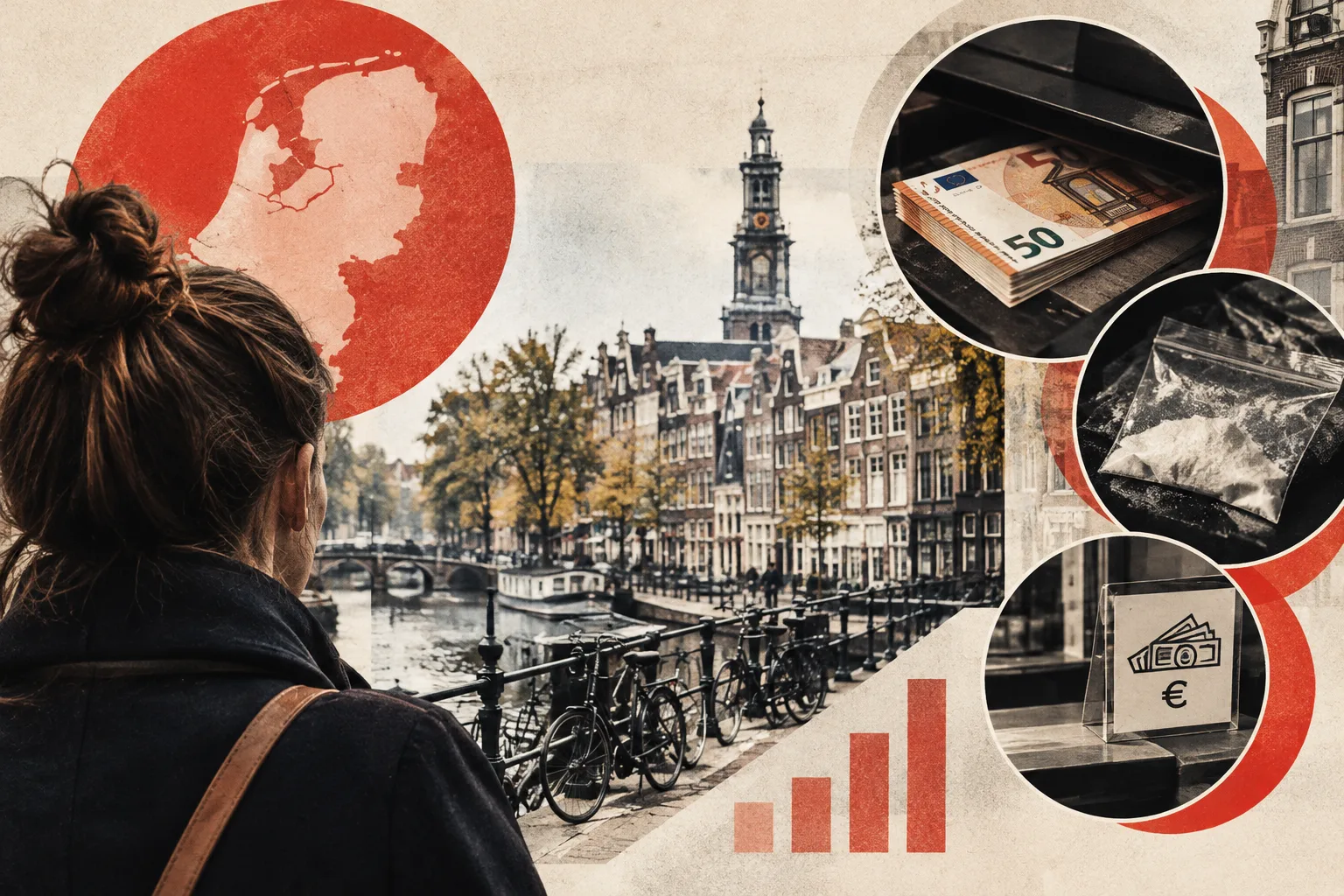
Nearly half of people aged 15 and over in the Netherlands said they had seen or suspected at least one potentially suspicious situation in their neighbourhood during 2025, according to Statistics Netherlands (CBS). The most commonly reported concerns involved money laundering or undeclared cash, followed by drug-related activity.
The CBS figure is 48.9%. It comes from the national Safety Monitor, which asks people about situations they know of or suspect—not confirmed crimes. For money laundering or undeclared cash, 33.8% said they had seen or suspected a situation; 29.1% reported drug-related suspicions.
Most respondents suspected rather than knew that something was happening. Drug dealing was the most frequently mentioned drug-related situation: 25% of people aged 15 and over suspected or were certain it occurred in their neighbourhood. The survey also asked about signs such as businesses with few customers, residents with unusually expensive possessions and premises where payment was accepted only in cash.
Reported suspicions varied with the urbanisation of the municipality. Overall, 55.5% of residents in very highly urbanised municipalities said they knew of or suspected a suspicious situation, compared with 39% in non-urban municipalities. For drug-related situations, the figures were 32% and 23.8%, respectively.
The differences were sharper across police basic teams. In Amsterdam’s Centrum-Burgwallen team, 59.7% of residents said they had seen or suspected drug-related situations. Several teams in Rotterdam and Utrecht, as well as teams near the national border, also recorded comparatively high shares.
CBS said areas where more residents reported drug-related suspicions also tended to have more recorded drug-trafficking offences per resident. Centrum-Burgwallen had the highest rate in the figures, at 9.44 offences per 1,000 residents. The survey responses describe residents’ perceptions; they do not establish that a suspected activity took place or that it led to a recorded offence.
Sign in to give this article a thumbs up or down.
From the discussion
Private test discussion. Comments are readers’ views and are not yet automatically fact-checked. Editing is available for 60 seconds after posting.
Sign in with a confirmed reader account and choose a username to read comments and participate.
Sorting applies to top-level comments; replies remain oldest first. New comments and likes can change the order. Refresh for the current ranking.
Loading comments…