One in three young people in Britain have never had sex, Natsal survey finds
A new British survey finds that one in three people aged 16 to 24 have never had sex, while sexting and porn use are common. Researchers say the figures show changing behaviour but cannot explain its causes.
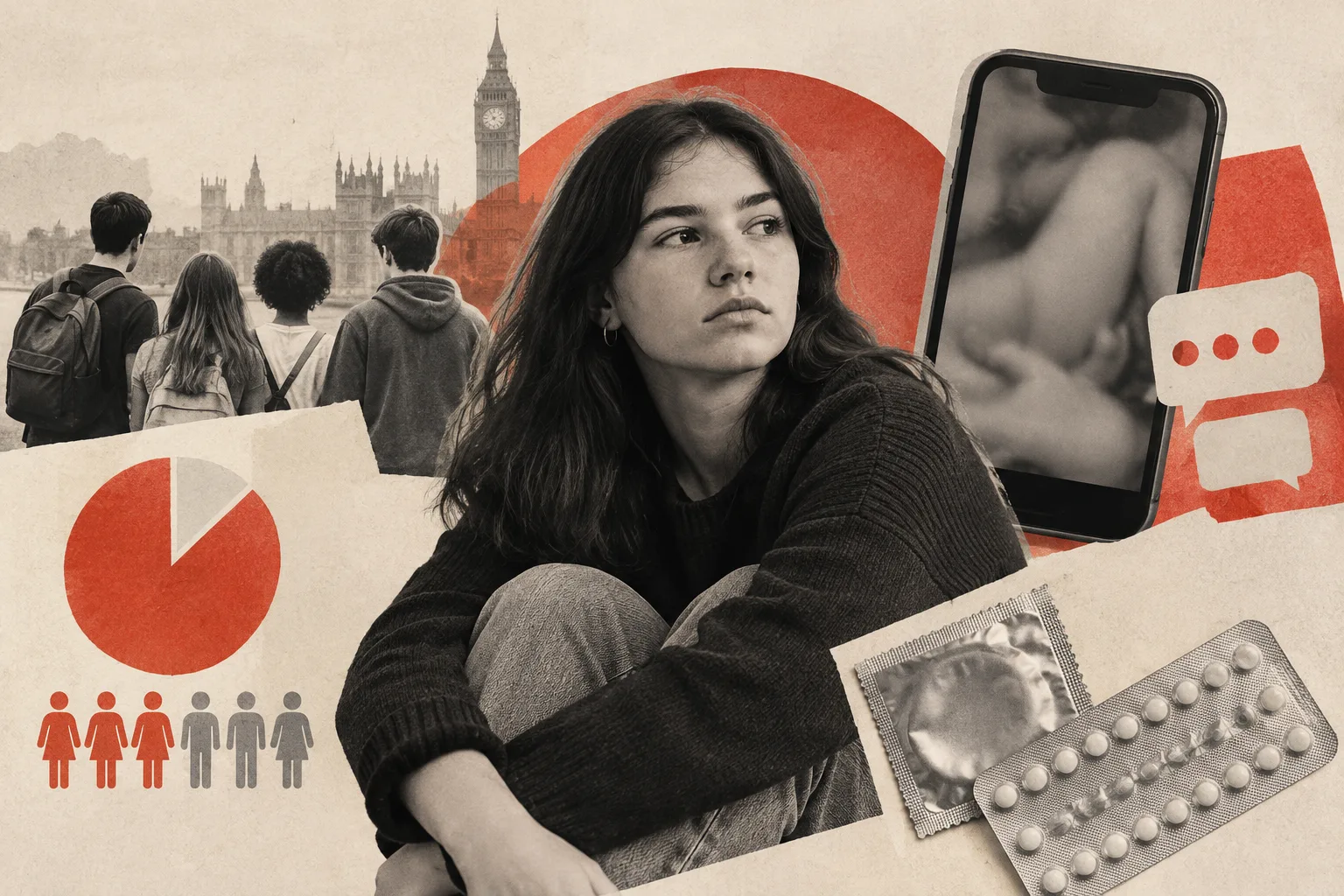
One in three people aged 16 to 24 in Britain have never had sex, up from about one in five in earlier surveys, while half say they sent or received sexual images on their phones in the past year, according to new findings from the National Survey of Sexual Attitudes and Lifestyles (Natsal).
The survey, published in The Lancet and based on 6,700 people aged 16 to 59 selected at random across Britain, is the first Natsal study to ask about online sexual behaviour. Among 16- to 24-year-olds, 50% of women and 86% of men said they had watched pornography in the past year.
Across all age groups, 37% of women and 81% of men said they had watched porn during that period. The figures do not mean that online activity has replaced in-person sex: the researchers said porn use and masturbation were less common among people who had never had sex, though they could not be certain why.
Young people are waiting longer
Almost two in five young women (38%) and more than one in four young men (28%) said they had never had sex. The proportions were around one in five in surveys conducted in 1990, 2000 and 2010.
The study also found that adults under 45 are having sex less often than in the past. The average has fallen from about once a week in 1990 to once a fortnight. Among adults who reported having sex, women averaged once a month and men twice a month.
Researchers cautioned that the survey reveals trends but cannot fully explain them. Professor Wendy Macdowall of the London School of Hygiene & Tropical Medicine said less drinking, more young adults living with their parents, mental health conditions and the effects of the Covid pandemic could all be relevant. She also suggested that more open discussion of consent may help young people decide whether and when to have sex.
The findings point to other changes in sexual health and family planning. The survey suggests many people, particularly younger adults, have had unprotected sex that can lead to pregnancy or sexually transmitted infections. Use of the contraceptive pill has fallen among young women, while the proportion of women aged 16 to 44 who said they did not want children rose from 8% to 17% over the past decade.
The researchers say the survey did not ask about AI companions or romantic chatbots. Soazig Clifton, a member of the Natsal team at University College London, said these could be considered in future research.
Sign in to give this article a thumbs up or down.
From the discussion
Private test discussion. Comments are readers’ views and are not yet automatically fact-checked. Editing is available for 60 seconds after posting.
Sign in with a confirmed reader account and choose a username to read comments and participate.
Sorting applies to top-level comments; replies remain oldest first. New comments and likes can change the order. Refresh for the current ranking.
Loading comments…