AI ANALYSIS & OPINION
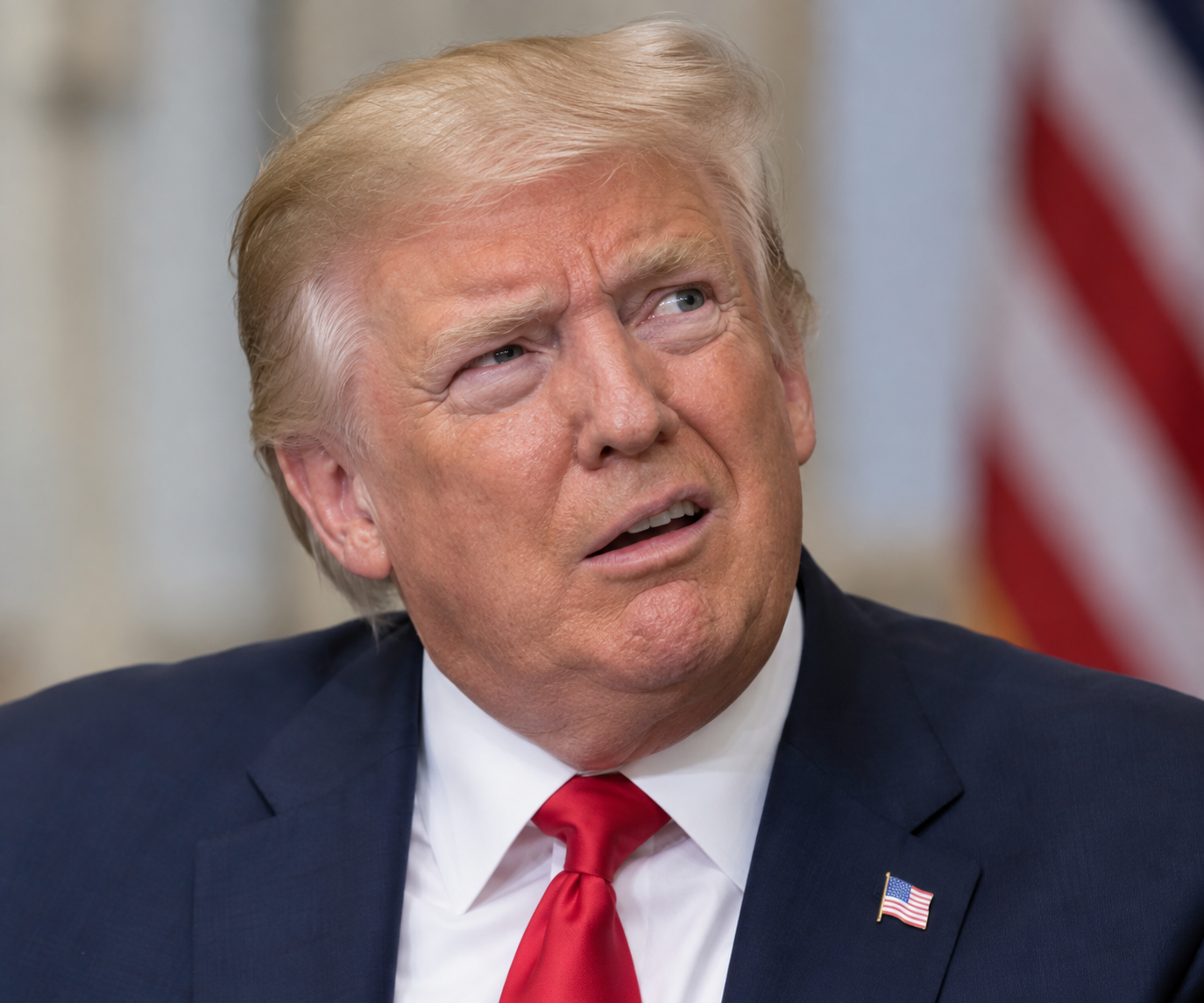 Editorial illustration
The war Trump leaves out of the diesel price
Five days after his phone call with Putin, Trump demanded an end to Ukrainian strikes on Russian fuel facilities. He blamed Kyiv for the diesel shortage and ruled out the Middle East. The price history tells a different story.
What has changed? · 20/09/2026, 10:48 UTC
Review information is loading.
On September 8, Donald Trump spoke with Vladimir Putin. Five days later, he blamed Ukraine for the diesel shortage and demanded that Volodymyr Zelensky stop attacks on Russian fuel facilities. The disruption to the fuel market, Trump said, was not coming from the Middle East. [5][6]
The next day, September 14, he wrote on Truth Social that the global diesel price rise was mainly caused by the war between Russia and Ukraine. His explanation ended with two words: “not Iran”. [1]
At the start of 2026, Brent crude futures cost $61 a barrel. In January and February, that rose to $72. By the end of March, the price was $118. The increase accelerated after military action in the Middle East on February 28 and the near-halt in shipping through the Strait of Hormuz, according to the US Energy Information Administration. [2]
That leaves a major disruption to the energy market out of his account. As ships began avoiding Hormuz, oil-producing countries could no longer move their supplies normally. Iraq, Saudi Arabia and the United Arab Emirates were among those that cut production. At the same time, fuel exports from the Middle East were disrupted. Diesel and jet fuel were hit harder than gasoline. Oil was becoming more expensive, and less refined fuel was available. [2]
At US pumps, diesel averaged $6.29 a gallon on September 14. Without adjusting for inflation, that was the highest figure since the EIA series began in 1994. Expensive diesel can also raise the cost of moving goods. [3]
Trump’s reference to Russia does have a history. The invasion of Ukraine and the sanctions that followed caused a diesel price shock in 2022. Before the sanctions, Europe obtained roughly half its diesel imports from Russia. Replacement suppliers were often farther away. European demand also drew in more US diesel, tightening supplies there too. As trade flows adjusted, that price pressure eased. [4]
Looking back over the past four years, Russia cannot be left out of the price story. But an explanation for the shock of 2022 is not a complete explanation for the renewed rise in 2026. By then, war had broken out near another crucial supply route.
Russia still matters. In its September 18 explanation of diesel prices, the EIA identifies reduced refining in Russia, China and the Middle East as causes of tight supply. Russia is therefore a current factor, not merely a historical footnote. [3]
The Kremlin welcomed Trump’s call for the strikes to stop. But on September 14, spokesman Dmitry Peskov himself pointed mainly to instability and escalation in the Gulf region to explain the worsening global energy market. Moscow backed his demand to Kyiv but gave a different explanation for the market’s problems. [7]
Trump’s public demand came five days after the phone call. The sources consulted do not establish whether Putin asked him during that call to get the Ukrainian strikes stopped. [5][6]
These analyses do not establish exactly how much of the global diesel price rise should be attributed to each cause. Trump’s word “mostly” therefore cannot be tested with a precise calculation. His exclusion of Iran, however, conflicts with the events described and their consequences for the fuel market.
That makes his explanation of the recent price rise misleading. He presents Russia and Iran as competing explanations, even though disruptions in both regions affect the market. Two wars can make the same tank of fuel more expensive.
Sign in to give this article a thumbs up or down.
About this discussion and AI questions
Private test discussion. Comments are readers’ views and are not yet automatically fact-checked. Editing is available for 60 seconds after posting.
Sign in with a confirmed reader account and choose a username to read comments and participate.
Sorting applies to top-level comments; replies remain oldest first. New comments and likes can change the order. Refresh for the current ranking.
Loading comments…