Timms review to propose faster PIP payments for some disabled people
A review led by Disability Minister Sir Stephen Timms is expected to propose faster PIP payments and fewer reassessments for some claimants with the most severe conditions. It is not expected to recommend major savings, despite rising projected costs.
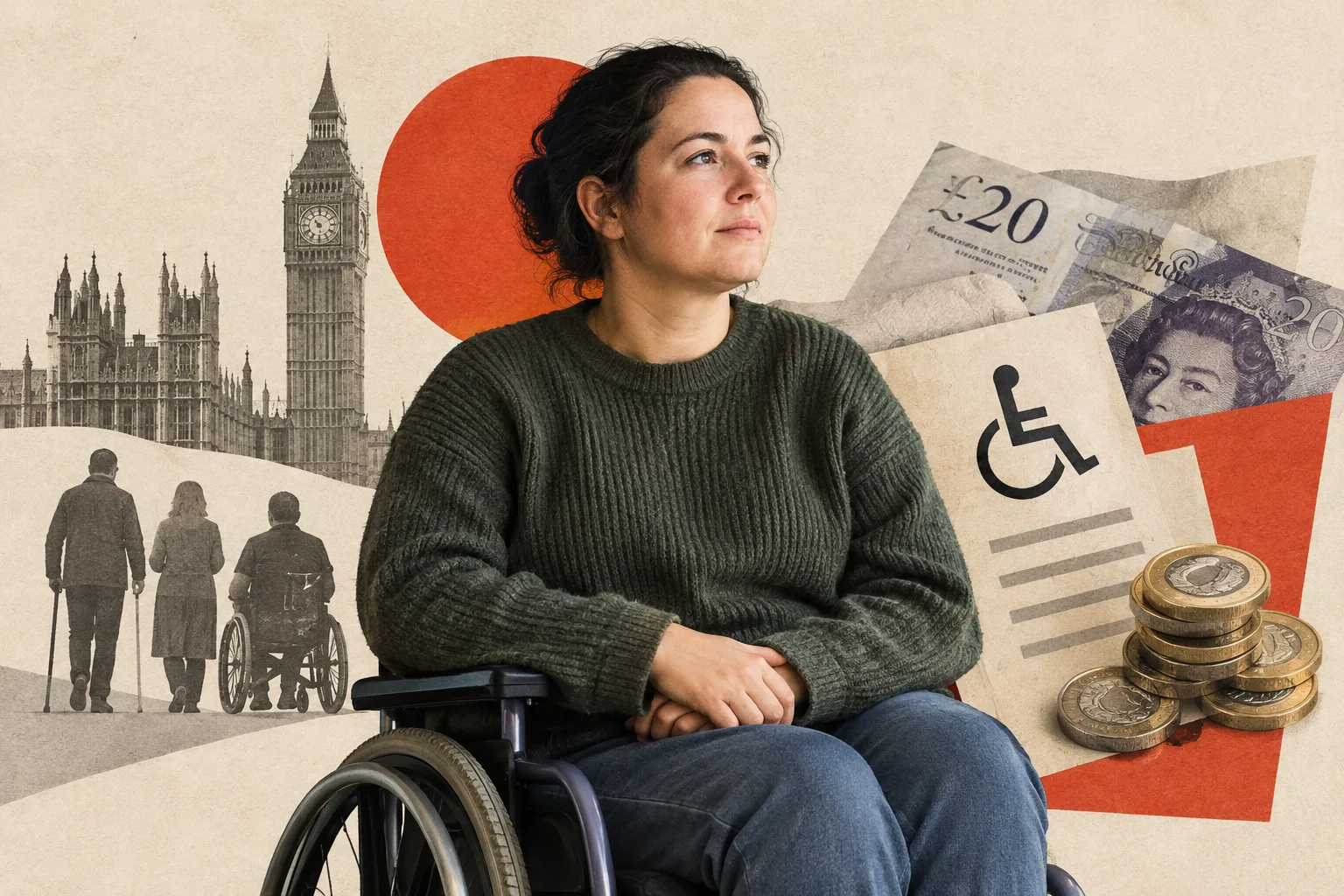
A review of Personal Independence Payment (PIP) is expected to recommend faster payments and an end to repeat assessments for some of the most severely disabled people, while leaving the benefit’s rising costs largely untouched.
The report, led by Disability Minister Sir Stephen Timms, is due to be published on Tuesday afternoon. It will also propose changes to assessments in England and Wales, aiming to make decisions better reflect claimants’ everyday needs and extra costs.
About four million people claim PIP. Spending is projected to rise from £32.1bn this financial year to £41.5bn in 2030-31, compared with £16.3bn in 2019-20 in today’s prices. The review is not expected to propose major savings, despite that projected increase.
Timms has said payments should reflect the additional costs people face rather than their diagnosis. People with the most severe and persistent conditions would be fast-tracked without further assessments; the BBC reports that this is believed to cover about one in 10 claimants. The proposals will be put forward by a steering group for the government to consider.
Disability groups involved in drafting the report have broadly welcomed its findings. Scope’s head of strategy, James Taylor, said ending unnecessary reassessments could make a real difference, but stressed the importance of reliable cash support as people’s needs change. He said some people were already going without things they needed because they could not afford them.
Alicia Cartwright, a PIP claimant in Preston who works several part-time jobs, said her disabilities cost her an extra £1,500 a month. She receives about £500 every four weeks through PIP, which she said goes towards her wheelchair and help at home. Even as a trained benefits adviser, she described the assessment process as “intimidating and confusing”.
The debate over costs remains. Matt Ryder of the Adam Smith Institute argued that eligibility for lower-level mental-health claims should be restricted, saying such claims were driving growth. The Resolution Foundation has estimated that about one in six PIP recipients report no extra costs related to their disability; it said removing payments for this group could save up to £4.4m a year. Its research director, Lindsay Judge, said the system should better assess people’s needs and the costs they face.
The review follows the government’s abandoned attempt to cut welfare spending. Its proposed changes would apply in England and Wales; Scotland has a separate disability-benefit system, while Northern Ireland’s benefits are devolved but in practice reflect changes made in England and Wales.
Sign in to give this article a thumbs up or down.
From the discussion
Private test discussion. Comments are readers’ views and are not yet automatically fact-checked. Editing is available for 60 seconds after posting.
Sign in with a confirmed reader account and choose a username to read comments and participate.
Sorting applies to top-level comments; replies remain oldest first. New comments and likes can change the order. Refresh for the current ranking.
Loading comments…