Tokyo robot tours let disabled pilots guide visitors from home
A remotely piloted robot is taking visitors on guided walks through Tokyo, giving disabled workers such as Aya Kaji a way to work and connect with people from home.
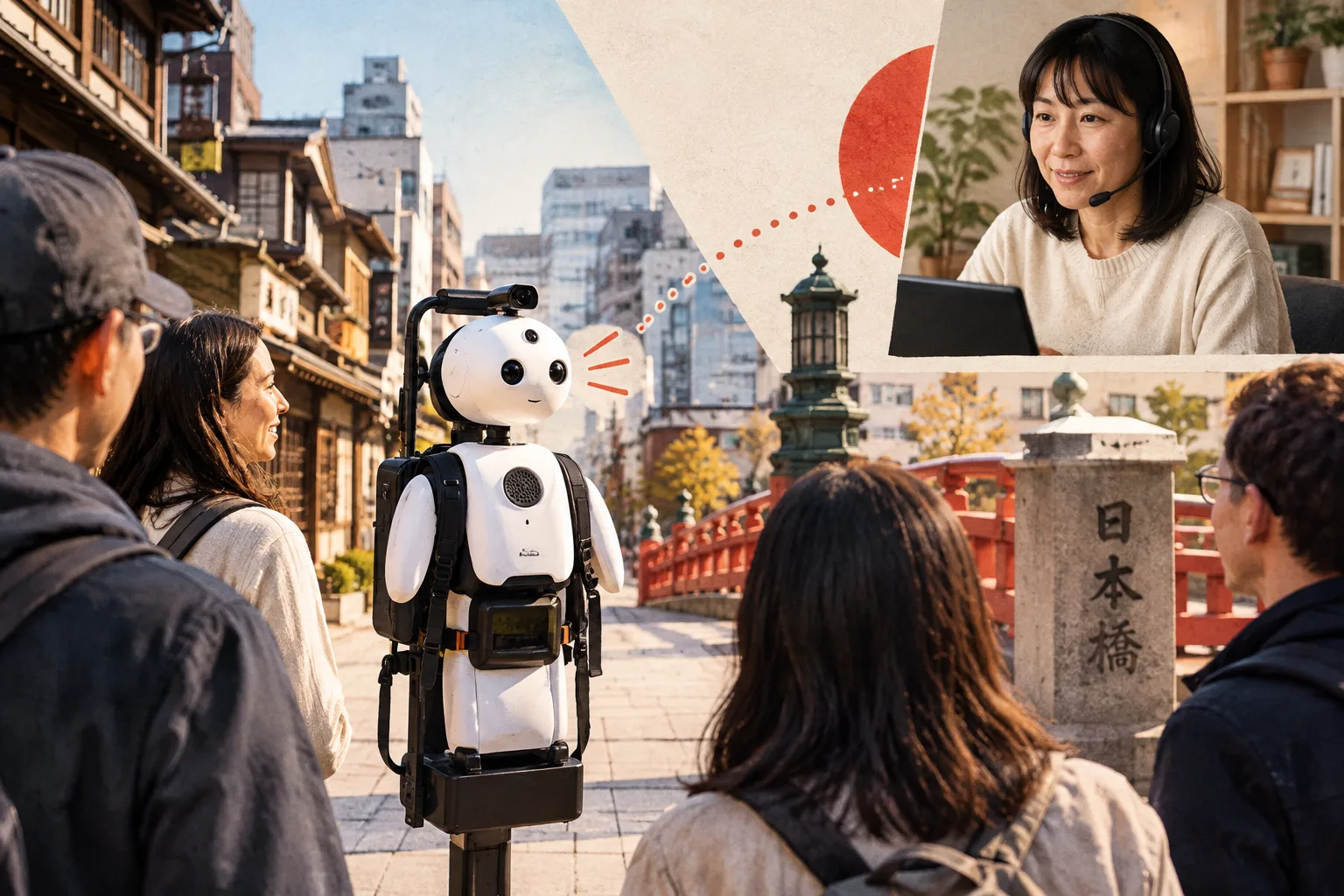
A remotely operated robot is giving visitors guided walks through Tokyo’s historic Nihombashi district, while its disabled pilots work from home. For one of them, Aya Kaji, the role offers paid work and a way to meet people despite being unable to walk.
The nine-inch OriHime robot is carried on a backpack-style stand by tour guests. Its camera, microphone and speaker let a pilot see and speak with the group, explaining local sights and customs. OryLab, the Japanese company behind the technology, says about 10 pilots are qualified to lead tours.
Kaji, 39, was diagnosed with multiple sclerosis in 2011 and lost the ability to walk in 2022. She left her job as an energy-sector researcher when her motor difficulties worsened. She joined OryLab in 2024 and trained for five months before taking on roles at its robot café and, later, as a guide.
“I love taking this walk with people, even virtually, and interacting with everyone in real life, both in Japanese and English,” she told CNN. She said some foreign visitors had told her the tours were the longest conversations with a local Japanese person they had had on their trip.
OryLab was founded in 2012 by roboticist Kentaro Yoshifuji and colleagues. Its small OriHime robot was developed to let people with limited mobility project their presence into places they could not physically reach. The company also makes a taller, wheeled model used for tasks including customer service and waiting tables, and an eye-controlled device for people who cannot operate a tablet or phone with their hands.
At the Avatar Robot Café DAWN in Tokyo, about 80 people work remotely as pilots, according to the company. OryLab says pay starts at Tokyo’s minimum wage and rises with workers’ skills and duties. The company says it has sold a couple of hundred robots to families and schools; the smaller model costs about $4,500 before tax.
Kaji said she works about 20 hours a week, but is not yet financially independent and still relies on disability support. The income lets her buy gifts and attend sumo matches, she said.
Sign in to give this article a thumbs up or down.
From the discussion
Private test discussion. Comments are readers’ views and are not yet automatically fact-checked. Editing is available for 60 seconds after posting.
Sign in with a confirmed reader account and choose a username to read comments and participate.
Sorting applies to top-level comments; replies remain oldest first. New comments and likes can change the order. Refresh for the current ranking.
Loading comments…