Trump administration preparing new tariffs on China and EU, AP reports
The Trump administration is expected to announce plans for higher import duties on China, the EU and 14 other economies, the Associated Press reported on 24 November. The proposed rates were not immediately clear.
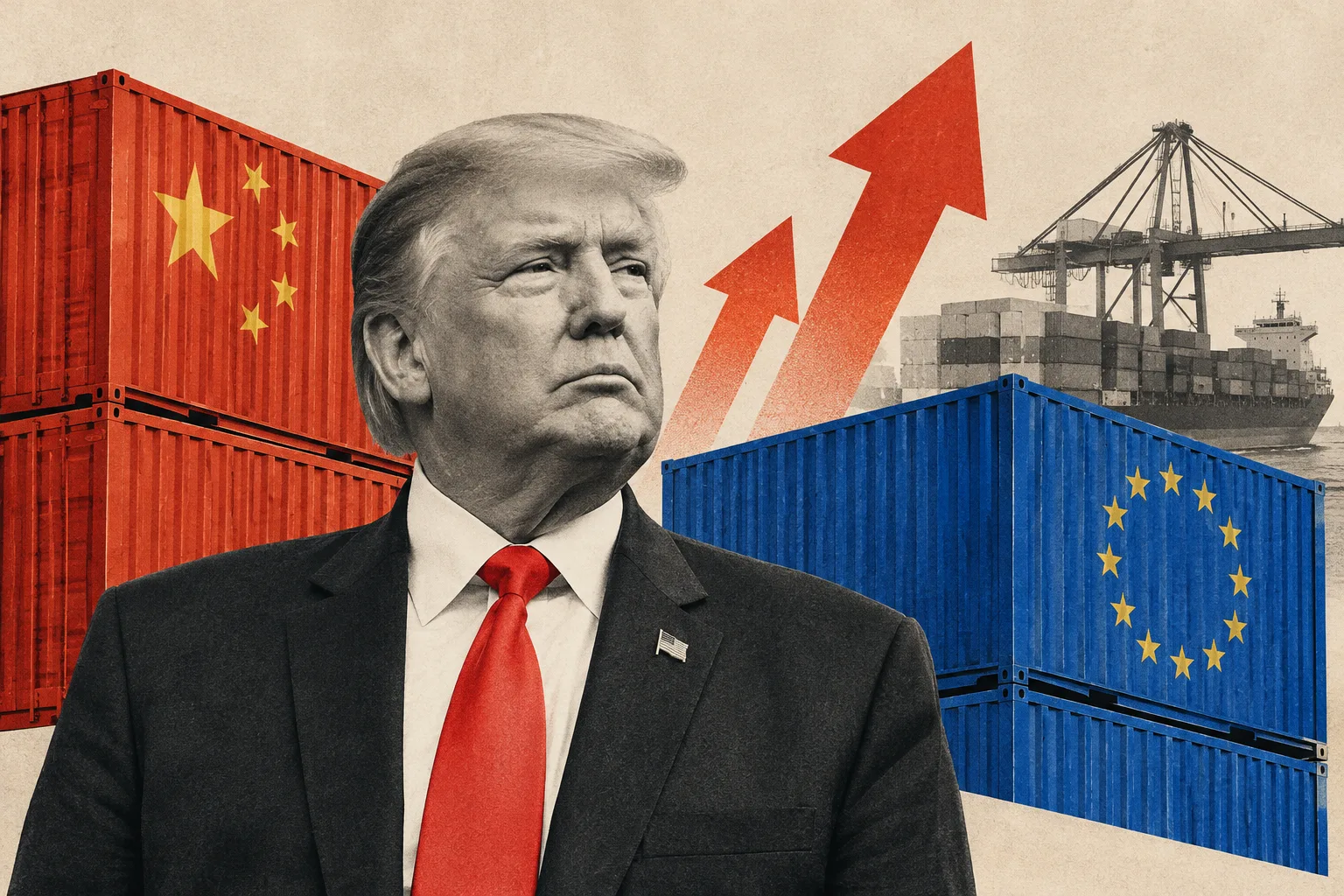
Two people familiar with the matter told AP that the US Trade Representative’s office was expected to release the results of its investigation in the coming days. They cautioned that the timing of the tariffs could change. The White House and the trade representative’s office did not respond to AP’s requests for comment.
The US Trade Representative (USTR) launched its Section 301 investigations into excess manufacturing capacity and production on Independently verifiedFederal Register :: Initiation of Section 301 Investigations: Acts, Policies, and Practices of Certain Economies Relating to Structural Excess Capacity and Production in Manufacturing Sectors. When it opened the investigations, USTR said government intervention, including subsidies, could contribute to excess manufacturing capacity. The White House has argued that subsidised overproduction has led to lower-priced goods that undercut American companies, AP reported.
In its March notice, USTR pointed to the EU’s $237 billion goods trade surplus with the US in 2024. That figure alone does not establish whether subsidies caused the surplus or what harm they may have done to US manufacturers.
AP described the reported plans as part of an effort to replace broader tariffs introduced in 2025 and struck down by the US Supreme Court in February.
In July, USTR announced a separate tariff action affecting Independently verifiedFact Sheet: USTR Section 301 Action in Response to the Failure of 60 Economies to Ban Imports Produced with Forced Labor | United States Trade Representative over what it said was their failure to prohibit or effectively enforce bans on imports made with forced labour. It set rates of 10% or 12.5%, with product exemptions. For the EU and several other partners, special rules count standard import duties towards those rates.
Sign in to give this article a thumbs up or down.
From the discussion
Private test discussion. Comments are readers’ views and are not yet automatically fact-checked. Editing is available for 60 seconds after posting.
Sign in with a confirmed reader account and choose a username to read comments and participate.
Sorting applies to top-level comments; replies remain oldest first. New comments and likes can change the order. Refresh for the current ranking.
Loading comments…