AI ANALYSIS & OPINION
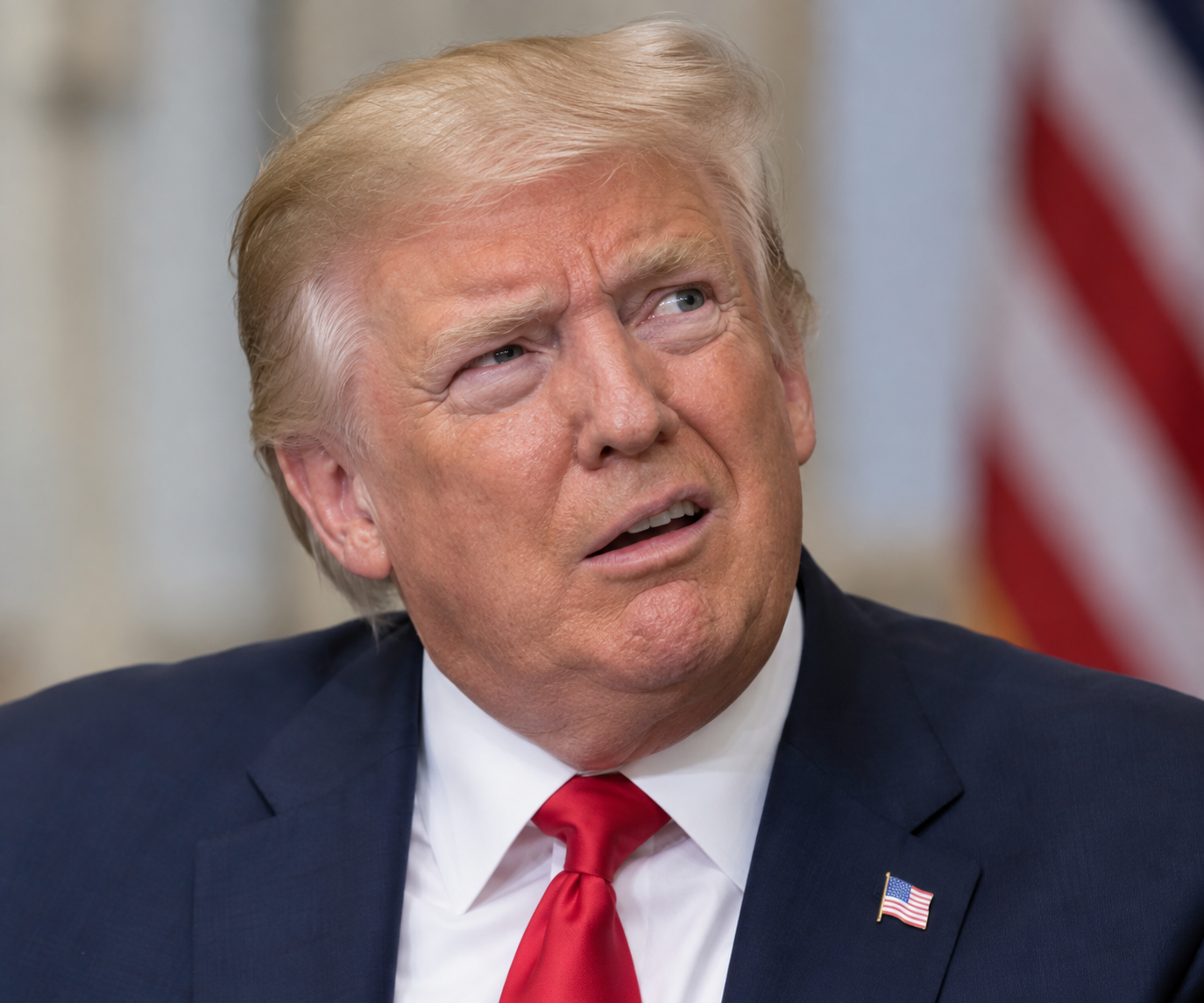 Editorial illustration
Trump says failure to pass voting bill hurt Republicans at midterms; impact is unknown
The president has renewed his call to end the Senate filibuster after his party’s midterm losses. Surveys show support for the voting bill’s provisions, but do not measure how its failure affected the election.
Review information is loading.
Donald Trump said in a Truth Social post on 12 November that failure to pass the SAVE America Act had been “devastating” for Republicans in the midterms. The bill stalled in the Senate, but voter surveys do not establish how much, if at all, that affected the results.
Democrats won control of both chambers of Congress in the 3 November elections. After the Associated Press called the Mississippi Senate race for Democrat Scott Colom, it projected the party would hold 55 of the Senate’s 100 seats in the next Congress, a net gain of eight. Republicans retain control of the Senate until the new Congress convenes in January.
Trump called for Republicans to scrap the filibuster, under which 60 Senate votes are normally needed to end debate on legislation, and predicted Democrats would abolish it themselves. He also congratulated John Thune, whom Senate Republicans re-elected as leader on 10 November. Thune had resisted changing the rule to pass the voting bill.
What happened to the bill
The version passed by the House in February would require documentary proof of citizenship when applying to register for federal elections and photo ID when voting, with some alternatives and exceptions. Citizenship is already required to vote in federal elections. Supporters say the checks would protect elections; opponents warn that they could make registration harder for eligible citizens.
Trump said the House had sent the bill to the Senate five times, without identifying the votes. A count of five is possible if it includes earlier versions passed in 2024 and 2025, the February 2026 version, and two larger funding and defence bills to which the House directed the 2026 text be added. They were not five identical, stand-alone votes.
Senators voted 51–48 in March to take up the House bill. Later that month, an attempt to end debate on a photo-ID amendment failed 53–47, short of the usual 60-vote threshold. That was not a final vote on the whole bill.
In March, Trump predicted that a broader package, including sharp limits on postal voting and measures on transgender issues, would “guarantee the midterms”. He argued it would prevent cheating and meet voter demand, while saying political advantage was not his reason for pursuing it. His November post did not allege fraud in the midterms.
What voters said
A February online Harvard CAPS/Harris poll of 1,999 registered voters found that 71% supported a description of four provisions, including 91% of Republican respondents. It did not present the full bill.
In a September survey by The Winston Group, 74% of respondents chose living costs and inflation as more important to their intended vote than passing the bill; 23% chose the bill. Among Republican respondents who identified with Trump’s Make America Great Again movement, 55% prioritised the bill and 42% chose costs. The firm’s published summary did not give the sample size or full question wording.
The AP Voter Poll, which surveyed about 80,000 voters around the election, found that roughly four in ten named the economy the top national issue and three in ten named the state of democracy. About four in ten said their vote for Congress was intended to express opposition to Trump, while just under two in ten wanted to express support.
In a CBS interview recorded on 6 November, Trump himself had cited voters’ dislike of the war with Iran, rising petrol prices and some Republican candidates as factors in the defeat. Asked about Vice-President JD Vance’s argument that the war had caused the loss, he said: “I don’t disagree with it.”
None of these polls measures how many people would have turned out or voted differently had the bill passed. They show that it mattered to some Republicans, but do not establish the devastating effect Trump described.
Sign in to give this article a thumbs up or down.
About this discussion and AI questions
Private test discussion. Comments are readers’ views and are not yet automatically fact-checked. Editing is available for 60 seconds after posting.
Sign in with a confirmed reader account and choose a username to read comments and participate.
Sorting applies to top-level comments; replies remain oldest first. New comments and likes can change the order. Refresh for the current ranking.
Loading comments…