UK inflation hits one-year high as energy bills are forecast to rise
UK inflation reached 3.6% in the year to October, while food prices rose by 0.9%. A forecast 26% increase in energy bills from January could put further pressure on household budgets, though the final price cap has yet to be announced.
Review information is loading.
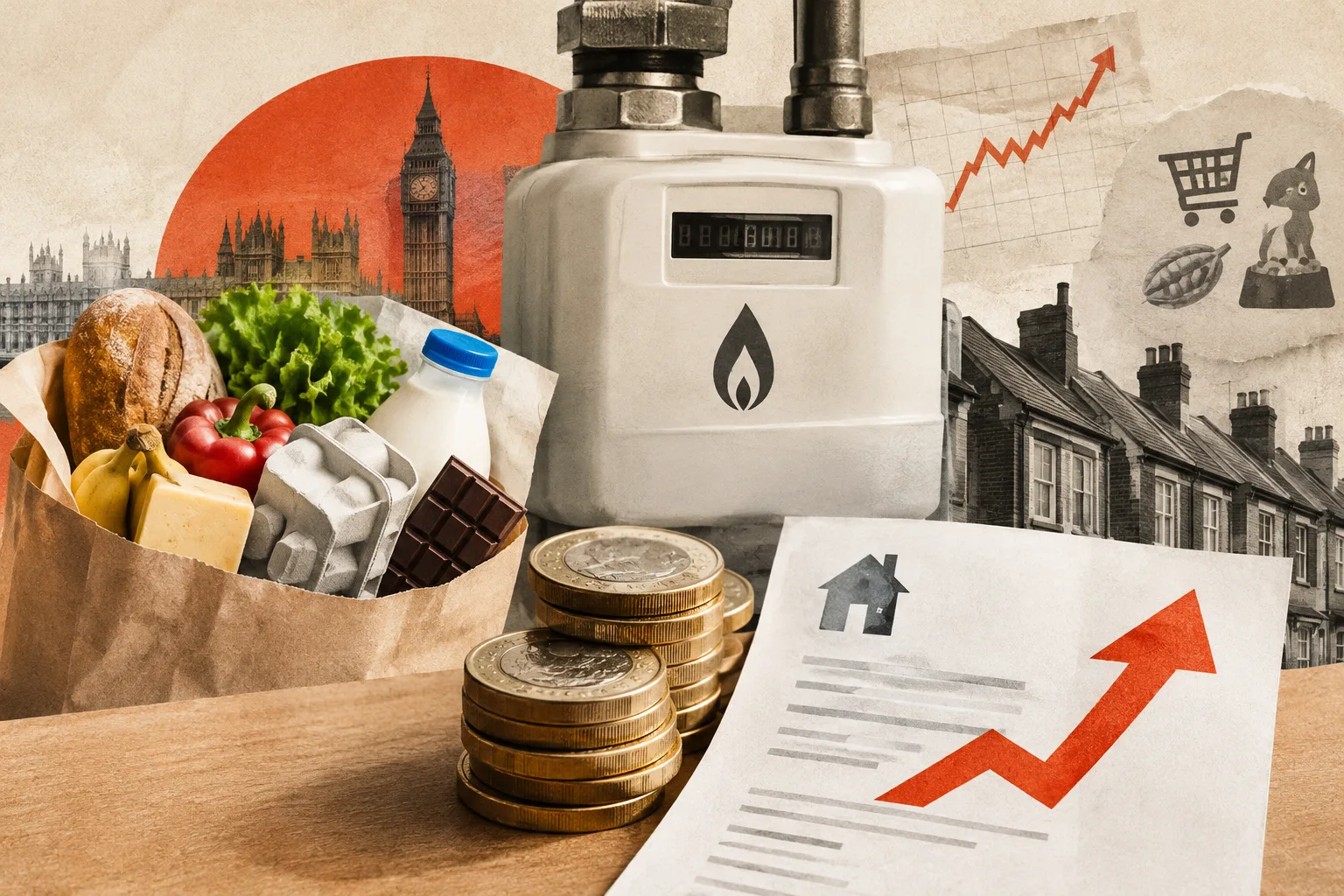
UK inflation accelerated to 3.6% in the year to October, its fastest pace in a year, but food prices rose by just 0.9%, according to figures discussed by BBC cost of living correspondent Kevin Peachey. The contrasting trends mean household costs are not rising evenly, while a forecast increase in energy bills could add pressure over the winter.
Energy consultancy Cornwall Insight predicts that a typical household using gas and electricity could pay £2,166 a year under the price cap from January — £443 more than current levels. Ofgem is due to announce the next cap on 25 November. The forecast is not the final cap, and actual bills depend on how much energy people use.
The government has promised a £100 payment for people in council tax bands A to D in England, with similar support planned in other UK nations, the BBC reports. In October, domestic energy prices rose by nearly 4%, but a VAT cut on electricity bills offset that increase in the inflation figures.
Food inflation was much lower than overall inflation. The BBC attributes this partly to supermarket competition, with retailers absorbing some higher costs rather than passing them all on to shoppers. Food prices are still higher than before the cost-of-living surge of 2022-23, but are rising more slowly. Chocolate prices fell 2.9% in the latest data as global cocoa prices eased from their 2024 levels; cat food was among the smaller contributors to the faster overall inflation rate.
Whether rising energy and fuel costs feed through to food prices remains uncertain. Economists are watching for “second-round effects”, in which an initial price shock spreads to wages, services and other prices; the BBC says there are relatively few signs of these so far.
The Bank of England has raised its interest rate to 4%, the first increase in more than three years. Analysts widely expect another rise, but the BBC notes that it is not certain. Further increases would be more likely if prices continue to accelerate; if price rises remain concentrated in energy, or Middle East tensions ease, the case for a further rise may weaken.
Official figures cited by the BBC suggest wage growth is currently covering rising prices on average, though that does not hold for everyone. How long it continues could affect the pressure on household finances.
Sign in to give this article a thumbs up or down.
From the discussion
Private test discussion. Comments are readers’ views and are not yet automatically fact-checked. Editing is available for 60 seconds after posting.
Sign in with a confirmed reader account and choose a username to read comments and participate.
Sorting applies to top-level comments; replies remain oldest first. New comments and likes can change the order. Refresh for the current ranking.
Loading comments…