UN delegates debate scope of international law work on due diligence, compensation and piracy
Delegates at the UN General Assembly’s Sixth Committee debated how international law should address due diligence, compensation and piracy, with speakers urging wider national perspectives and differing over the scope of the work.
Review information is loading.
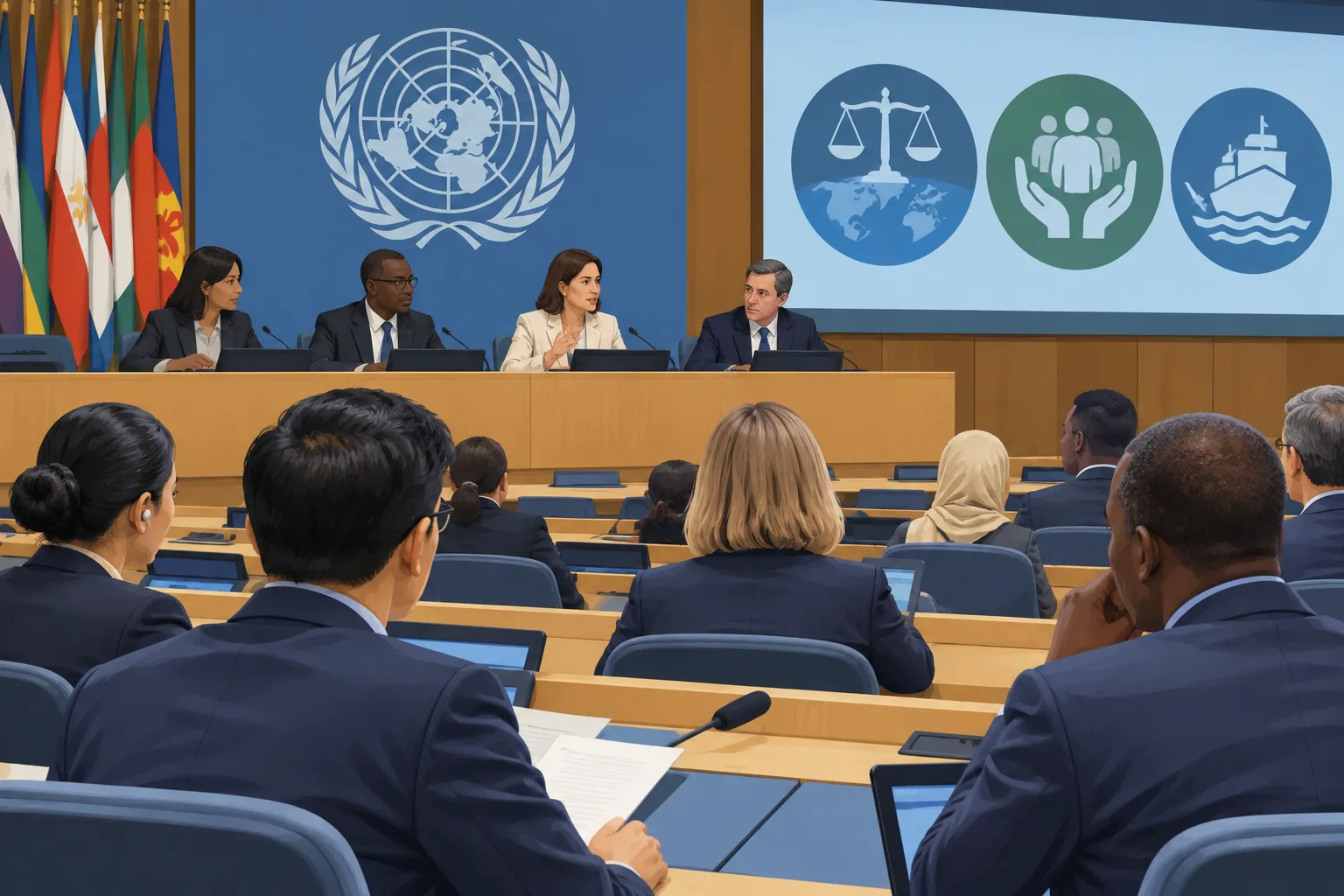
Delegates at the UN General Assembly’s Sixth Committee have urged the International Law Commission to draw on a wider range of national experience as it develops work on due diligence, compensation for wrongful acts and piracy.
The discussion on 4 November covered three topics in the Commission’s annual report. The Commission is an expert body that develops and clarifies international law; the UN account records delegates’ views, not agreed rules or decisions by the committee.
On due diligence, speakers said the principle applies across different areas of international law, but its content and scope remain unsettled. Thailand’s representative said relevant considerations could include the nature and seriousness of a risk, what a state knew or could foresee, and its capacity to act. Austria, speaking also for the Czech Republic and Slovakia, called for clarification of the principle’s legal character and common substance.
Delegates also disagreed over how the Commission should approach non-legally binding international instruments. Switzerland questioned whether the term “agreements” should be used for documents that are not treaties, and suggested “understandings” instead. New Zealand said legal status should depend on the instrument’s wording and circumstances, while Belarus described such arrangements as useful for flexible international cooperation.
On compensation, Algeria urged the Commission to consider historical injustices, including those associated with colonialism, the transatlantic slave trade and apartheid, and to take account of African Union work. Israel argued against taking on politically sensitive historical claims, saying compensation should be based on assessable damage. El Salvador called for attention to compensation for individuals and state entities, and welcomed a safeguard for cases where payments could gravely compromise a state’s ability to meet basic needs.
Piracy prompted a separate debate over the scope of the Commission’s work. Eritrea called for attention to the causes of maritime insecurity and to coastal states’ capacity to combat piracy and armed robbery. South Korea warned against blurring piracy under international law with other international or transnational crimes, and urged care in relying on the UN Convention against Transnational Organized Crime.
The Sixth Committee’s discussion forms part of its consideration of the International Law Commission’s report. The UN account does not describe the delegates’ remarks as an agreement on the Commission’s future approach.
Sign in to give this article a thumbs up or down.
From the discussion
Private test discussion. Comments are readers’ views and are not yet automatically fact-checked. Editing is available for 60 seconds after posting.
Sign in with a confirmed reader account and choose a username to read comments and participate.
Sorting applies to top-level comments; replies remain oldest first. New comments and likes can change the order. Refresh for the current ranking.
Loading comments…