UN Security Council deadlock disrupts counter-terrorism and weapons committees
Latvia’s ambassador said two committees had not met this year, while a third continued its sanctions work despite a lack of agreed leadership.
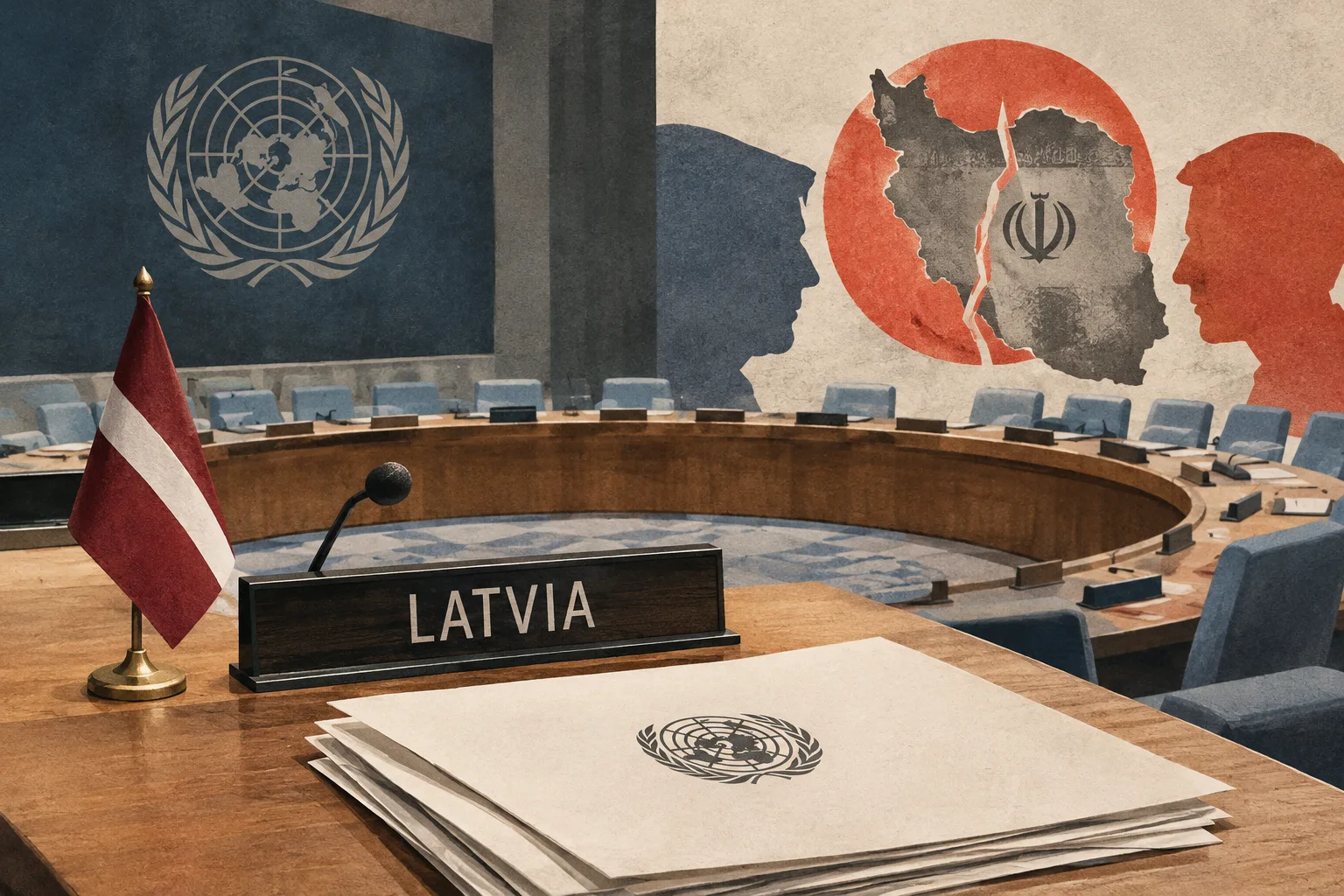
Two UN Security Council committees dealing with counter-terrorism and the spread of weapons of mass destruction had not met in 2026 as of 19 November, Latvia’s ambassador, Sanita Pavļuta-Deslandes, told the council.
Pavļuta-Deslandes, the council’s president for November, delivered updates on the three bodies as acting chair because members had been unable to agree on the leadership of subsidiary committees. She called the situation “unprecedented and unacceptable” and said the counter-terrorism committee had a backlog of overdue country reports.
Work has not stopped across all three bodies. Pavļuta-Deslandes said the committee overseeing sanctions against Islamic State and al-Qaida had met four times in informal consultations this year. In October it removed three people from its sanctions list. The expert group supporting the weapons committee also continued its work, she said.
Pavļuta-Deslandes said the committee’s monitoring team was 25% below its mandated strength, with two expert appointments pending. The US representative separately accused one unnamed committee member of blocking agreement on the appointments and said the team had no Arabic speaker.
The Iran dispute
The US representative said two permanent council members’ refusal to recognise the restoration of UN sanctions on Iran had paralysed the work of subsidiary bodies. She did not name the members.
In August, Shamala Kandiah Thompson, executive director of Security Council Report, told the council that the chairmanship impasse was linked to disagreement over who should lead the Iran sanctions committee and the wider sanctions dispute. Chairs are negotiated as a package, she said, so one unresolved appointment can hold up the rest.
A UN budget advisory committee recorded that earlier sanctions were reinstated on 27 September 2025. Russia and China reject the legal validity of that move and argue that the sanctions ended in October 2025.
In September, Russia and China vetoed a US proposal to extend the mandate of a separate panel monitoring sanctions on Iran.
Sign in to give this article a thumbs up or down.
From the discussion
Private test discussion. Comments are readers’ views and are not yet automatically fact-checked. Editing is available for 60 seconds after posting.
Sign in with a confirmed reader account and choose a username to read comments and participate.
Sorting applies to top-level comments; replies remain oldest first. New comments and likes can change the order. Refresh for the current ranking.
Loading comments…