UN Sixth Committee sends 23 draft texts to General Assembly after consensus debate
The UN General Assembly’s Sixth Committee approved 21 draft resolutions and two draft decisions without a vote on 20 November, sending them to the full Assembly. Consensus held, but disputes over diplomatic protection, state officials’ immunity and visa access exposed issues left unresolved.
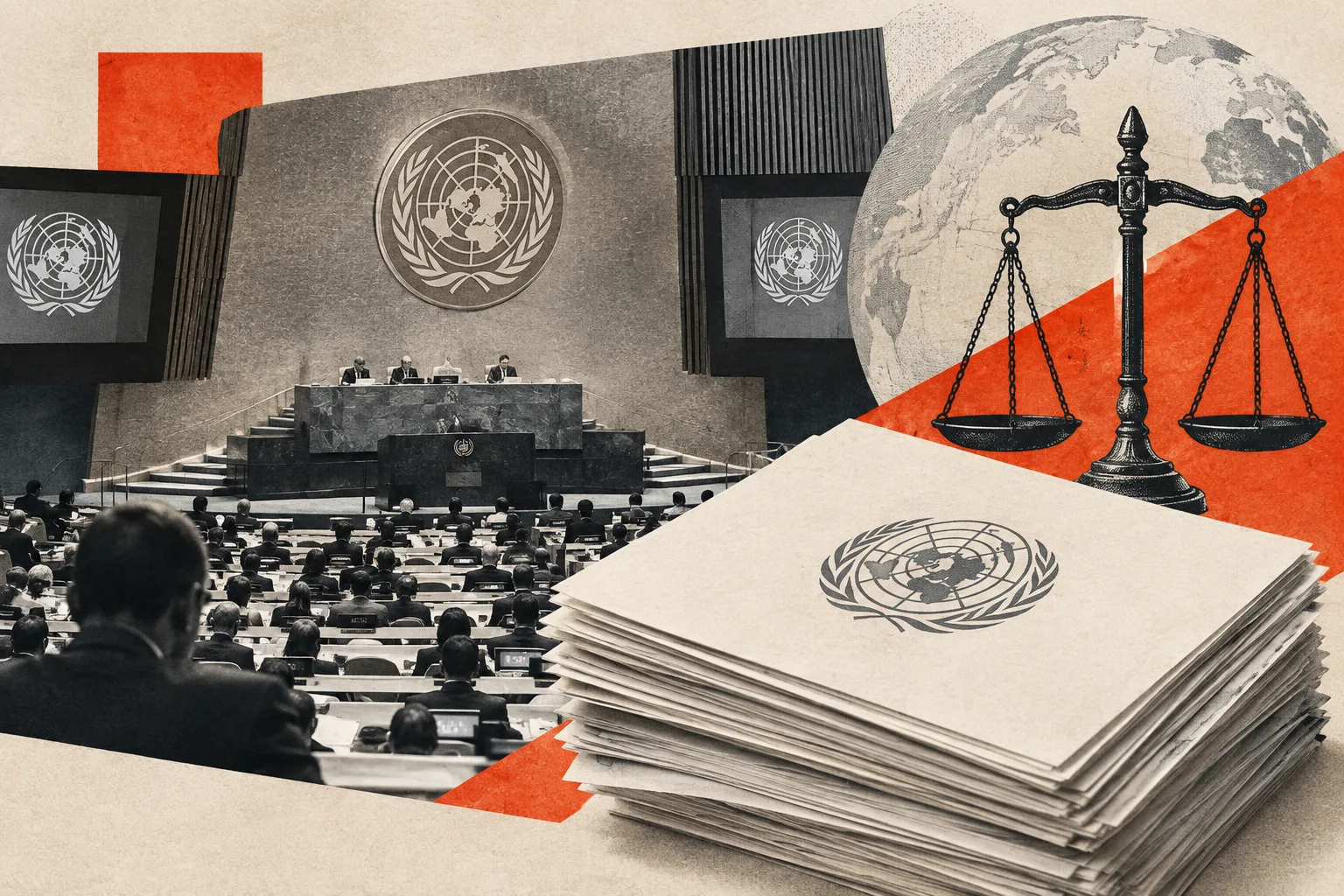
The UN General Assembly’s Sixth Committee has approved 23 draft texts for consideration by the full Assembly, ending the main part of its 2026 session while leaving disagreements over several legal issues unresolved.
The committee approved 21 draft resolutions and two draft decisions without a vote on 20 November. Its consensus process drew criticism from some delegations, including over a text on diplomatic protection that Finland said was a technical rollover of a 2024 version after attempts to agree on changes failed.
Disagreements were particularly clear in debate on the immunity of state officials from foreign criminal jurisdiction. Delegates could not agree on the draft, and Eritrea’s representative recommended continuing the discussion at the committee’s next session. Russia’s representative said a later session would be preferable. The committee did, however, approve a related resolution that adds a paragraph providing for further consideration of immunity at the next session.
Portugal, speaking also for Austria, Malta, Mexico and Spain, regretted that the committee had not addressed the International Law Commission’s recommendations on immunity. El Salvador’s representative warned that consensus could restrict even the prospect of basic results. Russia’s representative, meanwhile, cautioned that an oral amendment should not become a way to circumvent established practices.
The committee also approved a resolution on relations with the host country, despite complaints about visa access. Sudan’s representative said the country’s head of state had not received a visa to address the General Assembly and that senior officials faced delays. Iran’s representative said no visas had been issued to Iranian personnel designated to take part in the committee’s work. Proposed amendments addressing the complaints were not included, Sudan’s representative said.
The 23 texts cover a wide range of legal matters, including international trade law, terrorism, universal jurisdiction, transboundary aquifers and the responsibility of international organisations. Approval by the Sixth Committee sends the texts to the General Assembly; it does not mean the Assembly has adopted them. The committee also agreed to continue informal discussions on its working methods before the Assembly’s next session.
Sign in to give this article a thumbs up or down.
From the discussion
Private test discussion. Comments are readers’ views and are not yet automatically fact-checked. Editing is available for 60 seconds after posting.
Sign in with a confirmed reader account and choose a username to read comments and participate.
Sorting applies to top-level comments; replies remain oldest first. New comments and likes can change the order. Refresh for the current ranking.
Loading comments…