Women share persistent UTI symptoms on TikTok, finding support amid stigma
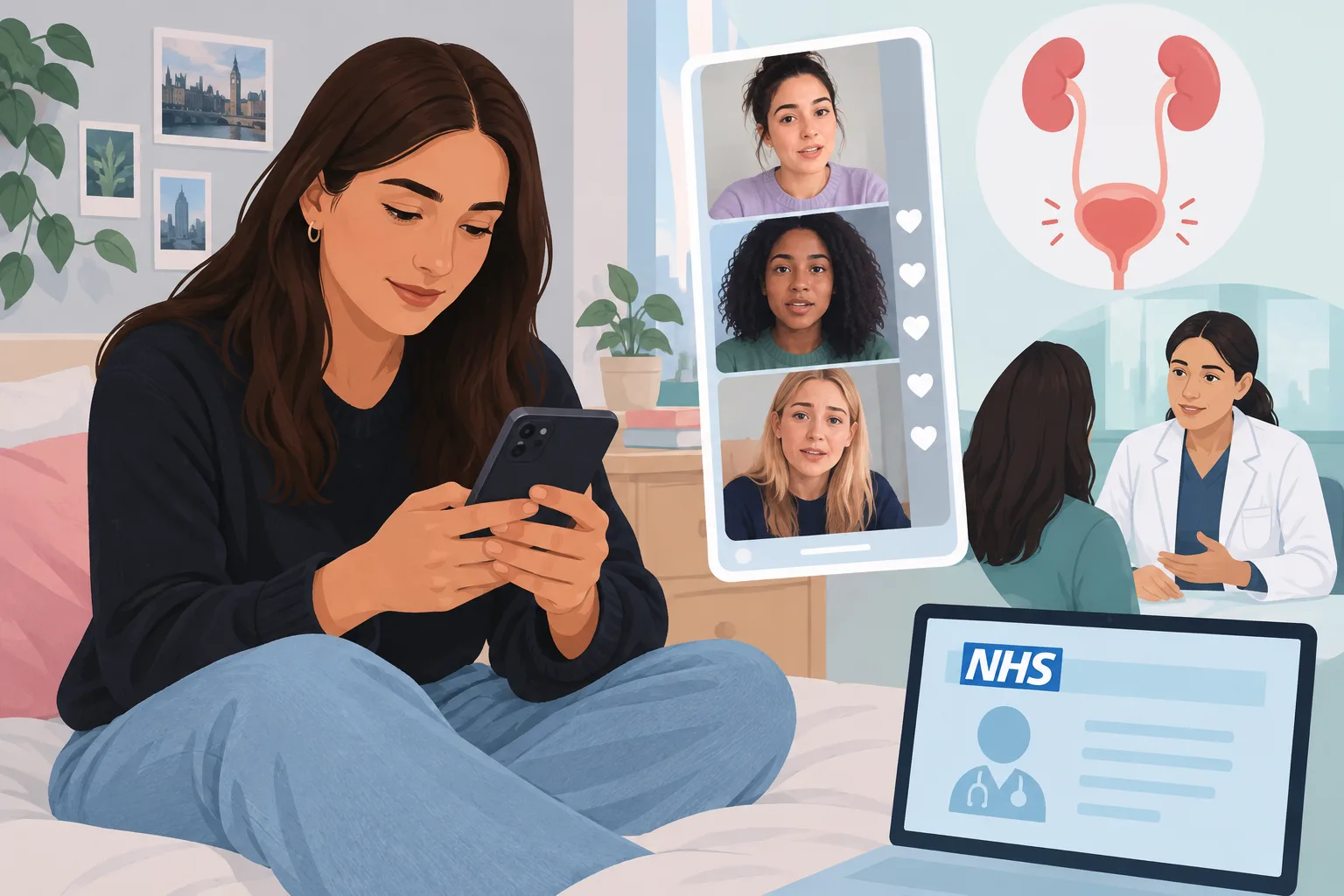
Women sharing accounts of persistent urinary symptoms online say it helps them find support and challenge embarrassment. Clinicians welcome the conversation but warn against treating social-media advice as a diagnosis.
Review information is loading.
In interviews with the BBC, Adrianne, a 29-year-old digital marketer in London, said it took two years to receive a private diagnosis of a chronic UTI. Her symptoms have affected her work, friendships and ability to go out, she said. After she began posting about them on TikTok, other young women contacted her with similar worries. She called that contact “very validating”.
Laura Von Müllen, 26, also shares her experience on TikTok. She told the BBC she had still been experiencing symptoms two years after they began. Some people, she said, had responded by asking who she had been sleeping with.
Those accounts echo experiences described in a UK study published in 2025. Researchers spoke to 25 women from low-income households, racialised minorities or both about self-care for urinary symptoms. Some described feeling embarrassed or fearing judgement when seeking medical help; others found support through friends and family. The small, deliberately recruited group does not show how common those experiences are across Britain.
The medical distinction matters too. The NHS describes recurrent UTIs as two infections in six months or three in a year. Persistent symptoms after treatment may indicate a long-term UTI: urine tests do not always detect an infection, but similar symptoms can also have other causes.
Two urologists interviewed by the BBC, Chris Harding and Magda Kujawa, said social media can help people find others with similar experiences, while warning that it can also spread harmful advice. For people whose symptoms continue after UTI treatment, the NHS advises speaking to a GP and asking for a specialist referral.
Sign in to give this article a thumbs up or down.
About this discussion and AI questions
Private test discussion. Comments are readers’ views and are not yet automatically fact-checked. Editing is available for 60 seconds after posting.
Sign in with a confirmed reader account and choose a username to read comments and participate.
Sorting applies to top-level comments; replies remain oldest first. New comments and likes can change the order. Refresh for the current ranking.
Loading comments…