News Made Clear · Loading…
Category
Regions
Continents
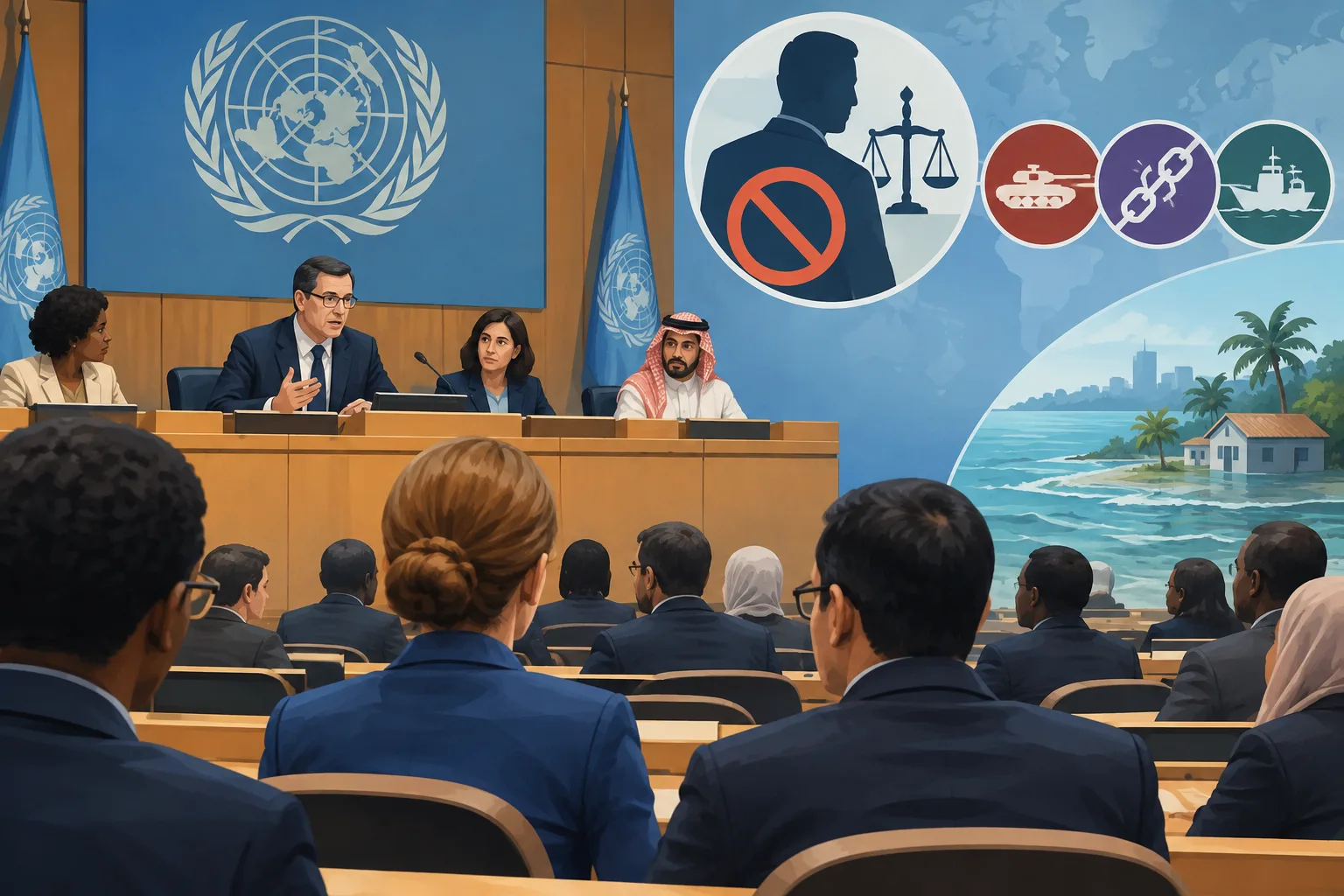
UN delegates split over draft limits on immunity for state officials
Loading statistics…
UN delegates have clashed over draft rules that would deny foreign-jurisdiction immunity to officials accused of certain crimes, including aggression, slavery and the slave trade. Supporters welcomed the additions; critics questioned whether they were sufficiently grounded in international practice.
Review information is loading.
The UN General Assembly’s Sixth Committee has heard sharply differing views on draft rules that would remove immunity from foreign criminal jurisdiction for state officials accused of certain international crimes, including aggression, slavery and the slave trade.
The International Law Commission retained a non-exhaustive list of crimes for which functional immunity would not apply and added the three offences in its 2026 revision, its special rapporteur Claudio Grossman told the committee. He said all the draft articles had been adopted unanimously.
Canada said state practice supported some serious-crime exceptions, but not all to the same extent, particularly those added more recently. Saudi Arabia argued that the gravity of a crime alone did not establish an exception, and warned that the proposed list could politicise foreign prosecutions. Serbia said parts of the issue remained controversial and suggested further discussion at an international conference.
Croatia and Lithuania welcomed the inclusion of aggression, citing their experience of aggression in the 1990s. Croatia’s representative said the crime was often accompanied by war crimes and crimes against humanity and expressed hope the draft articles would bring greater legal certainty. Italy’s representative said immunity should be considered alongside the preliminary assessment of jurisdiction, which can vary between states.
The committee’s debate is part of its review of the Commission’s annual report. It has also heard calls to protect the rights of people affected by rising sea levels. The Gambia described itself as particularly vulnerable as a low-lying coastal state, while Costa Rica said sea-level rise should not undermine state sovereignty.
The Sixth Committee began its two-week review of the Commission’s work on 26 October. The UN describes its meeting coverage as information for media, not an official record.
How do we know?
1 listed sources · explore evidence, limitations and provenance.
Sign in to give this article a thumbs up or down.
About this discussion and AI questions
Private test discussion. Comments are readers’ views and are not yet automatically fact-checked. Editing is available for 60 seconds after posting.
Sign in with a confirmed reader account and choose a username to read comments and participate.
Sorting applies to top-level comments; replies remain oldest first. New comments and likes can change the order. Refresh for the current ranking.
Loading comments…