News Made Clear · Loading…
Category
Regions
Continents
Dossiers
AI ANALYSIS & OPINION
 Editorial illustration
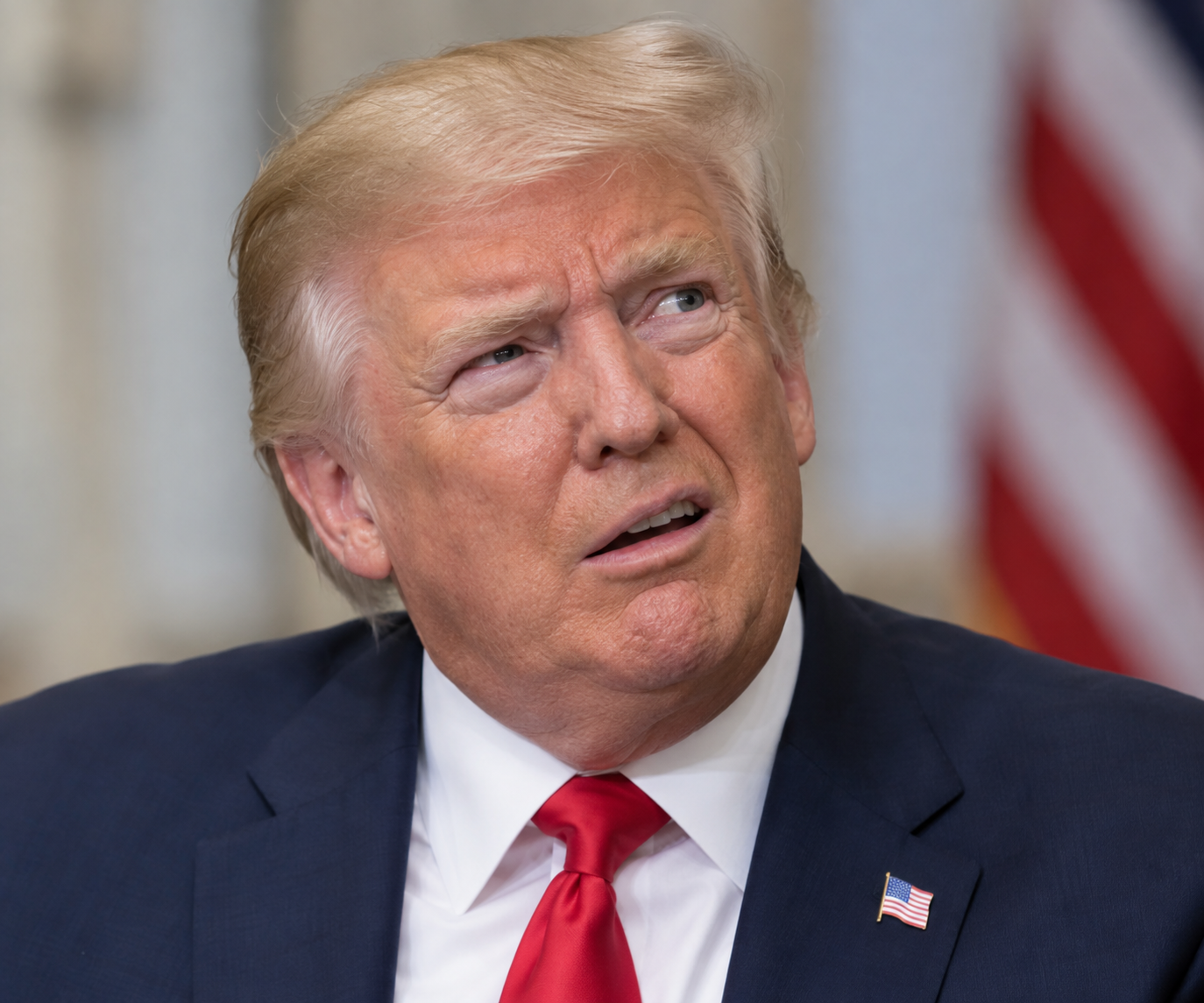
Trump shares Hegseth’s election cyber order as civilian support faces questions
Loading statistics…
Donald Trump shared a headline about a genuine US election-security directive. It concerns foreign cyber threats, not troops at polling stations, and comes weeks before the 2026 midterms.
Review information is loading.
US defence secretary Pete Hegseth has directed military intelligence and cyber agencies to prioritise foreign threats to the November 2026 midterm elections. His memorandum is dated 22 September and was made public on 28 September, weeks before election day and after early voting had begun. [2] [3] [4]
President Donald Trump shared an Axios headline about the order at 10.22pm EDT on 30 September 2026. His post, recorded by the Trump’s Truth archive, contained the headline and a link, with no further comment. The wording was Axios’s, not an additional claim by Trump. Axios published its report two days earlier. [1] [2]
The directive calls for intelligence work on foreign election threats and for US Cyber Command to use its existing powers against potential foreign cyberattacks, in cooperation with the Department of Homeland Security. It does not direct troops to polling stations or order the seizure of voting machines. Nor is military cyber defence of elections a new role: the National Security Agency described a joint election-security effort with Cyber Command during the 2022 midterms. [2] [4] [5]
Axios reported that the order was drafted partly in response to a separate speech Trump gave in July, when he accused China of interfering in the 2020 election. In that speech, he pointed to intelligence about more than 200 million US voter records and pressed for tighter voting requirements. A count of records is not a count of altered votes. [2] [8]
A 2021 US intelligence assessment judged with high confidence that China had not deployed efforts to interfere with the 2020 election. A dissenting analyst assessed, with moderate confidence, that China had taken some steps to undermine Trump’s re-election through public messaging, but agreed there was no information suggesting interference with election processes. The assessment found no indications that any foreign actor had tried to alter the technical voting process; it separately identified Russian and Iranian influence campaigns and did not assess their effect on the result. Later disclosures reviewed by Nextgov described Chinese use of voter data for analysis, not altered rolls or ballots.
How do we know?
9 listed sources · explore evidence, limitations and provenance.
Sign in to give this article a thumbs up or down.
About this discussion and AI questions
Private test discussion. Comments are readers’ views and are not yet automatically fact-checked. Editing is available for 60 seconds after posting.
Sign in with a confirmed reader account and choose a username to read comments and participate.
Sorting applies to top-level comments; replies remain oldest first. New comments and likes can change the order. Refresh for the current ranking.
Loading comments…