Children’s lies can be part of healthy development, experts say
Children’s lies can reflect developing social understanding, experts say. Calm responses to mistakes may help children feel safe enough to tell the truth.
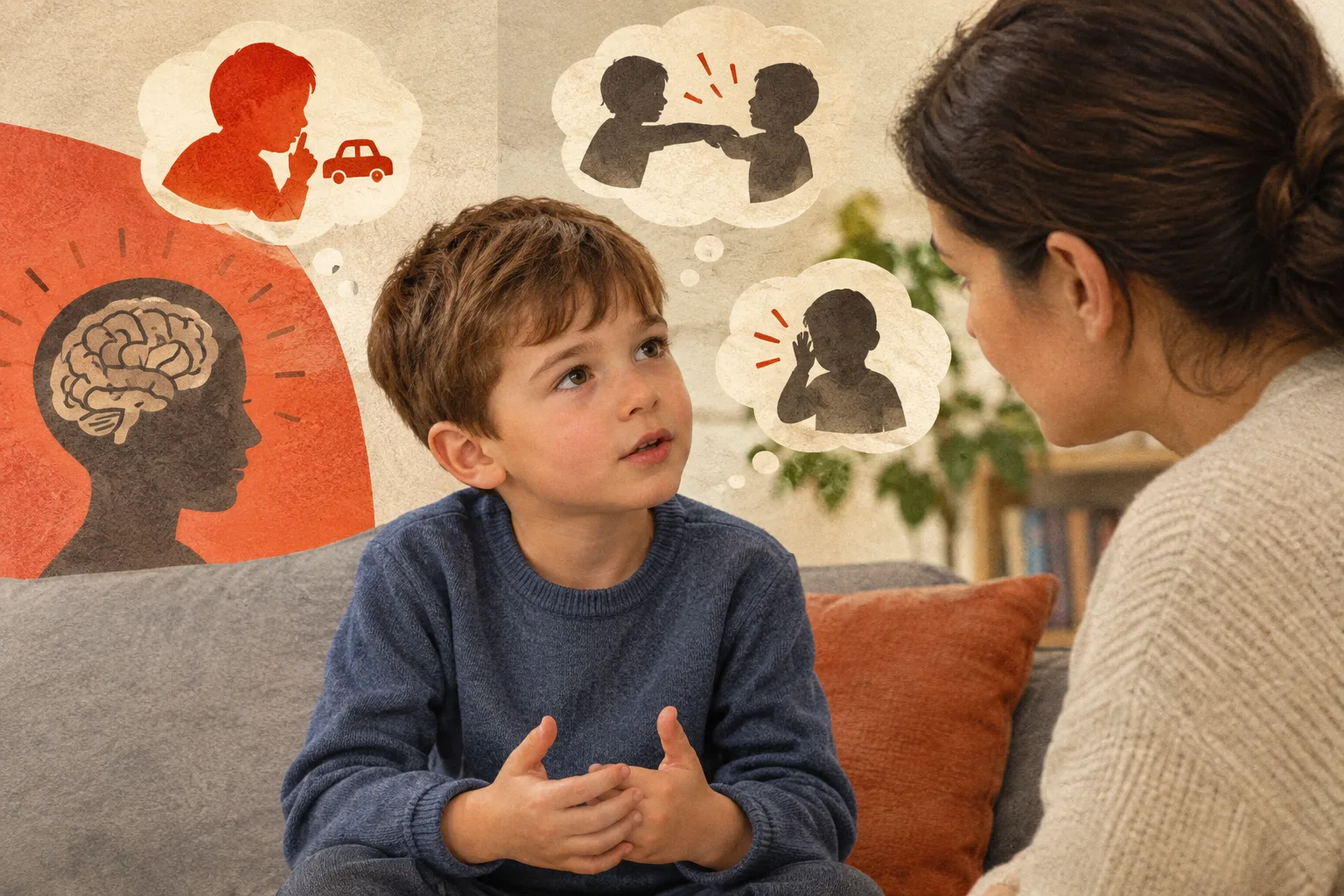
Children’s lies and small acts of deception can be part of healthy development, helping them learn that other people have thoughts and feelings of their own, child-development experts say. Parents can encourage honesty by responding calmly when children admit to mistakes, rather than making them afraid to tell the truth.
Clinical psychologist Dr Jade Redfern told the BBC’s CBeebies Parenting Download podcast that lying is “a skill that they’re developing and that they will play with in order to get better”. She said children may also lie because they want to protect their relationship with caregivers, on whom they depend.
A University of Bristol study cited by the BBC found that around a quarter of children appeared to understand some form of deception by the age of 10 months. Study leader Professor Elena Hoicka said young children’s early deceptions can include hiding forbidden activities or pretending not to hear a parent.
By three, children can become more adept at using language and anticipating what others know. Hoicka gave the example of a child truthfully saying a sibling hit them while leaving out that they hit the sibling first.
Redfern said parents can help children feel safe enough to own up to mistakes. Rachel Duffy, winner of the latest series of *The Traitors*, described telling her son he would not get into serious trouble if he told her the truth after he broke his brother’s bike. She said she gave him space, and he then admitted what had happened; they discussed it without shouting.
Redfern also said not every untruth needs to be treated as a serious offence. Children may need tact when responding to an unwanted gift or commenting on another person’s appearance. She recommended open, curious conversations that help children consider how their words affect others.
Sign in to give this article a thumbs up or down.
From the discussion
Private test discussion. Comments are readers’ views and are not yet automatically fact-checked. Editing is available for 60 seconds after posting.
Sign in with a confirmed reader account and choose a username to read comments and participate.
Sorting applies to top-level comments; replies remain oldest first. New comments and likes can change the order. Refresh for the current ranking.
Loading comments…