News Made Clear · Loading…
Category
Regions
Continents
When does a lock really need replacing?
Loading statistics…
A lost key or stiff lock does not automatically call for a replacement. The key question is whether the lock is damaged or someone else may have access—and, for a sticking mechanism, whether the cause lies elsewhere.
Review information is loading.
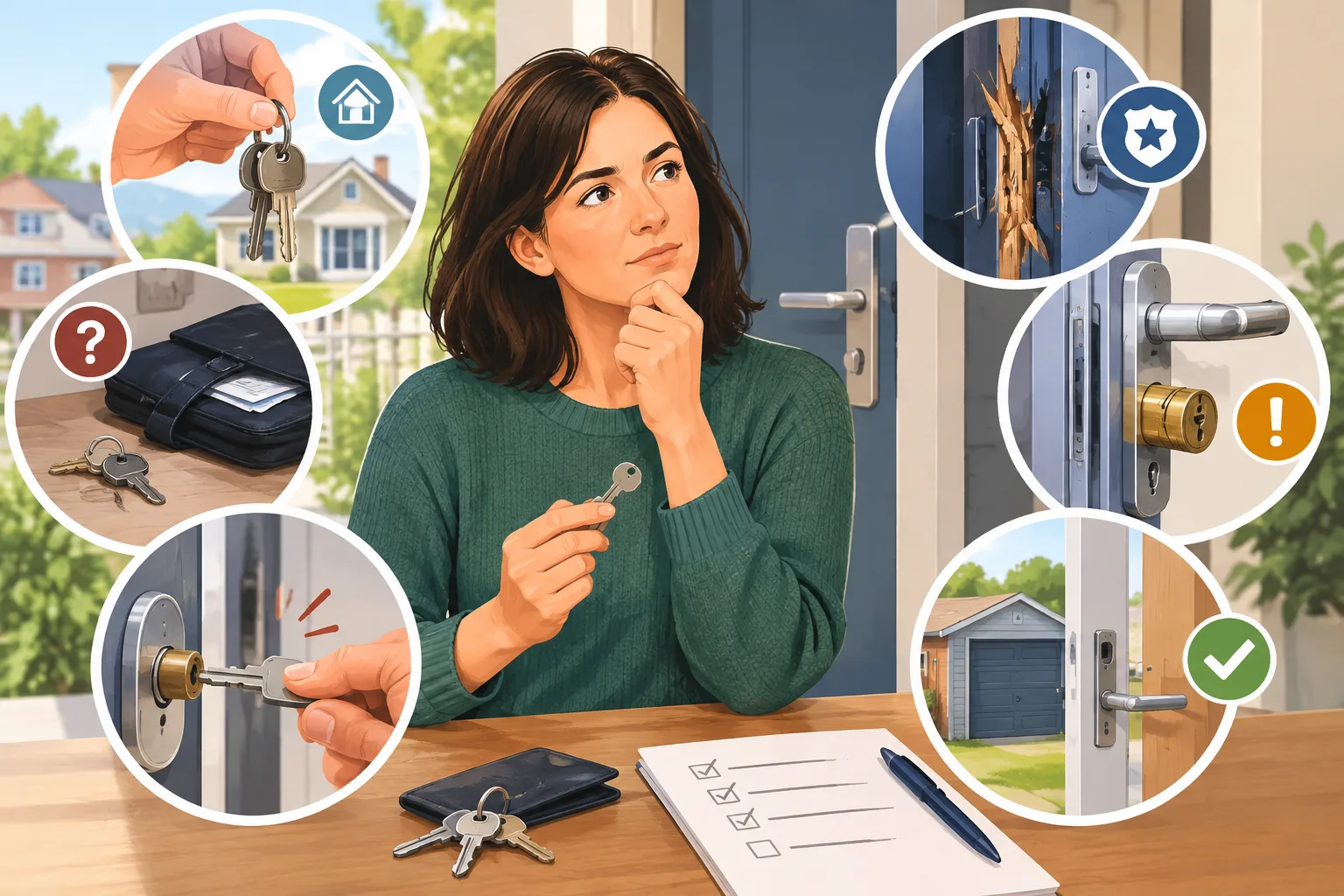
A lost key, a recent move or a lock that has begun to stick does not always mean the whole lock needs replacing. The right response depends on the cause and on whether someone else could have access to the property, according to advice published by Dutch news site Nieuws.nl.
After moving into a home, replacing the cylinder or lock can remove uncertainty about how many keys were copied by previous occupants. Renters should first check their agreement with the landlord.
A missing key also needs context. Losing a key without anything identifying the address is different from having a bag containing both keys and personal documents stolen. If the key’s whereabouts are unknown or it could readily be linked to the home, replacement may be a sensible precaution.
A sticking key, however, may point to a problem other than the lock itself. A door that has shifted or a misaligned strike plate can cause resistance too. Forcing the key risks breaking it; having the cause checked may show that adjustment or maintenance is enough.
Damage after a break-in or attempted break-in should be assessed before repairs are made. Nieuws.nl advises allowing police to examine the scene for evidence first, then checking which parts of the door, frame or lock need attention. A lock that still works may nevertheless have weakened components.
Loose or outdated security fittings, a protruding cylinder or excessive movement in the door can also warrant inspection. In many cases, the useful first step is to describe the symptoms and have the cause diagnosed, rather than asking immediately for a complete replacement.
Regularly checking frequently used doors, as well as those to a garage or shed, can help identify changes early. A key that turns less smoothly, moving fittings or a door that needs lifting to close are signs that maintenance or repair may be needed before the lock fails altogether.
How do we know?
1 listed sources · explore evidence, limitations and provenance.
Sign in to give this article a thumbs up or down.
About this discussion and AI questions
Private test discussion. Comments are readers’ views and are not yet automatically fact-checked. Editing is available for 60 seconds after posting.
Sign in with a confirmed reader account and choose a username to read comments and participate.
Sorting applies to top-level comments; replies remain oldest first. New comments and likes can change the order. Refresh for the current ranking.
Loading comments…