Progressive Democrats enter Congress with fewer slogans, but their ambitions remain untested
Progressive Democrats are heading to Congress after campaigning more on affordability and less on the slogans that hurt the party in 2020. Their platforms still contain ambitious proposals; January will bring the test of what they pursue with votes to cast.
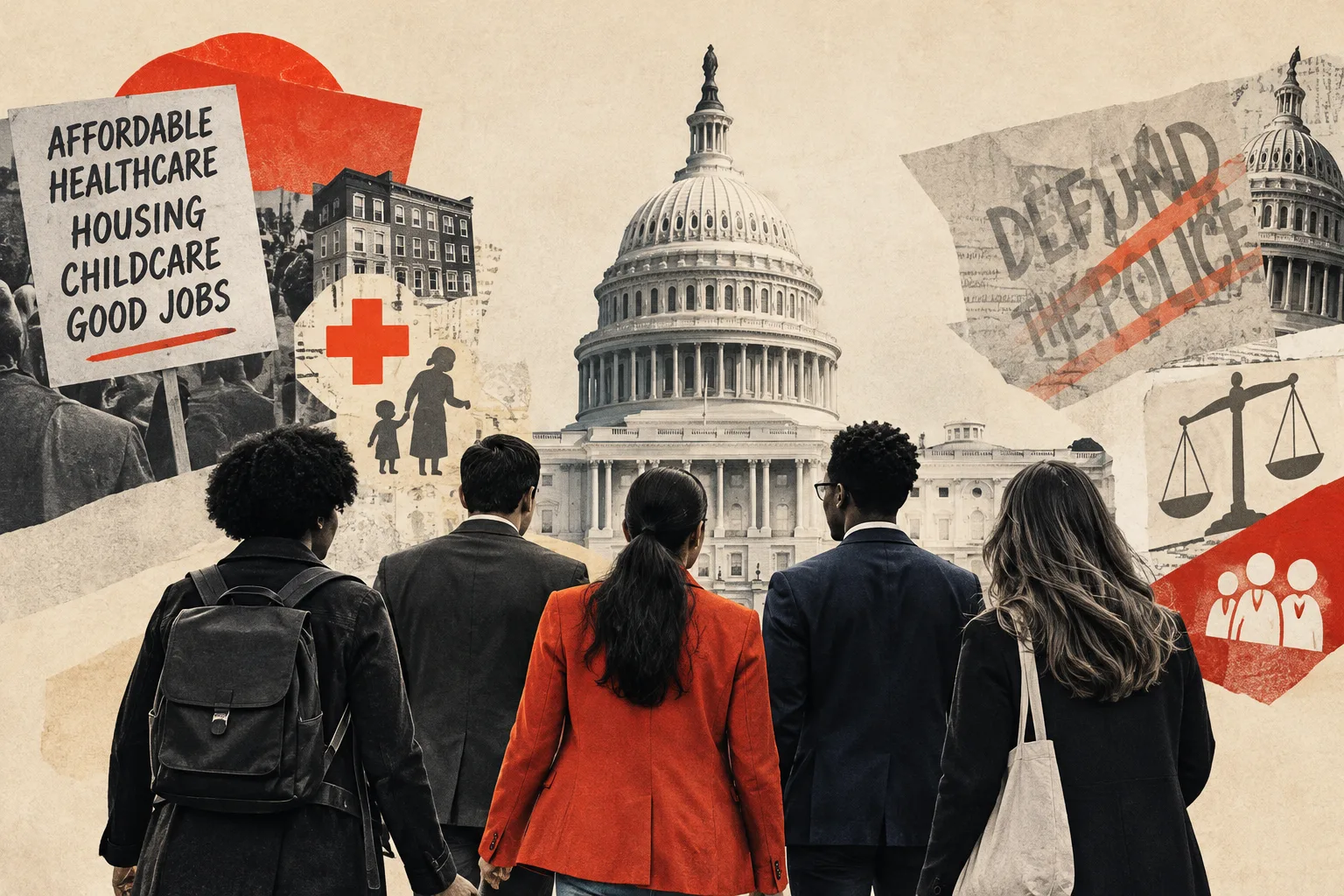
The Democratic left’s new generation is entering Congress with more seats and fewer of the slogans that defined its rise in 2020. The unresolved question is whether it has also changed its ambitions — or simply changed how it talks about them.
Democrats have won at least 259 House seats and 56 Senate seats, according to MS NOW’s count. Six Democratic Socialists of America-endorsed candidates are headed to the House, while progressive Abdul El-Sayed has won a Michigan Senate seat. The incoming group is larger than the left-wing freshman class that arrived in 2018, but its members will have to turn campaign promises into votes when the new Congress takes office in January.
The change in language is already clear. Alexandria Ocasio-Cortez, the best-known member of the 2018 class, called “Woke 1” crazy this summer. The label covers a broad range of rhetoric and ideas, from “defund the police” and abolishing Immigration and Customs Enforcement to activist language and social-media call-outs.
This year, progressives often foregrounded healthcare, housing, childcare and wages instead. The DSA’s platform still calls for abolishing the police and prison system, but its co-chair Ashik Siddique said candidates were no longer using “defund” language on the campaign trail. He described the group’s current work as shifting funding towards public services, including mental-health care and drug treatment.
That leaves a gap between the platform and the pitch to voters. Candidates did not all abandon their earlier positions, but many chose not to make policing the centrepiece of their campaigns as they competed with Republicans on affordability.
Slogans fade, goals remain
Several candidates handled their past rhetoric differently. El-Sayed did not apologise for earlier use of “defund” language, but did not repeat it. Florida Democrat Angie Nixon, who said she had never called for abolishing police or prisons, argued that advocates should have talked instead about funding mental-health providers and de-escalation. She lost her Senate race by about six points.
Francesca Hong, a democratic socialist who ran for governor of Wisconsin, faced scrutiny over past social-media posts on policing and Thanksgiving. She later said she would not abolish the police and described Thanksgiving as her favourite holiday, but lost the primary by less than one percentage point.
Some goals have survived the retreat from the slogans. Several DSA-backed candidates also campaigned on abolishing ICE. El-Sayed continues to support Medicare for All, while the party’s platform retains police and prison abolition as a long-term aim. Corbin Trent, a Democratic strategist who helped launch the Green New Deal slogan, said the label had “done its job” and argued that ambitious policies need not be abandoned simply because a slogan has become politically costly.
The strategic shift is not only about wording. Ocasio-Cortez has urged democratic socialists to build a broader coalition, while Texas senator-elect James Talarico has criticised politics focused on policing language rather than bringing people together around shared values. The DSA says it hopes to expand the electorate by attracting people who have not voted regularly.
Republicans spent more than $70 million on television adverts linking Democrats to socialism, according to AdImpact, the ad-tracking firm cited by MS NOW. The DSA’s platform also calls for a new constitution and abolishing the Senate, positions that Republicans could use in the next election cycle.
The test begins in January
The incoming DSA-endorsed House members will join Ocasio-Cortez and Rashida Tlaib, currently the only DSA members in the chamber. A larger Democratic caucus may give any one faction less leverage, and none of the incoming DSA-endorsed members had committed to backing Hakeem Jeffries for speaker as of 24 November.
In the Senate, El-Sayed’s election offers an early test of how a progressive newcomer will balance ambitious proposals with the realities of governing. He has said voters need to believe candidates will actually fight for what they support. The new members’ voting records will show whether the shift was mainly rhetorical — or whether the left has also narrowed its goals.
Sign in to give this article a thumbs up or down.
From the discussion
Private test discussion. Comments are readers’ views and are not yet automatically fact-checked. Editing is available for 60 seconds after posting.
Sign in with a confirmed reader account and choose a username to read comments and participate.
Sorting applies to top-level comments; replies remain oldest first. New comments and likes can change the order. Refresh for the current ranking.
Loading comments…