AI ANALYSIS & OPINION
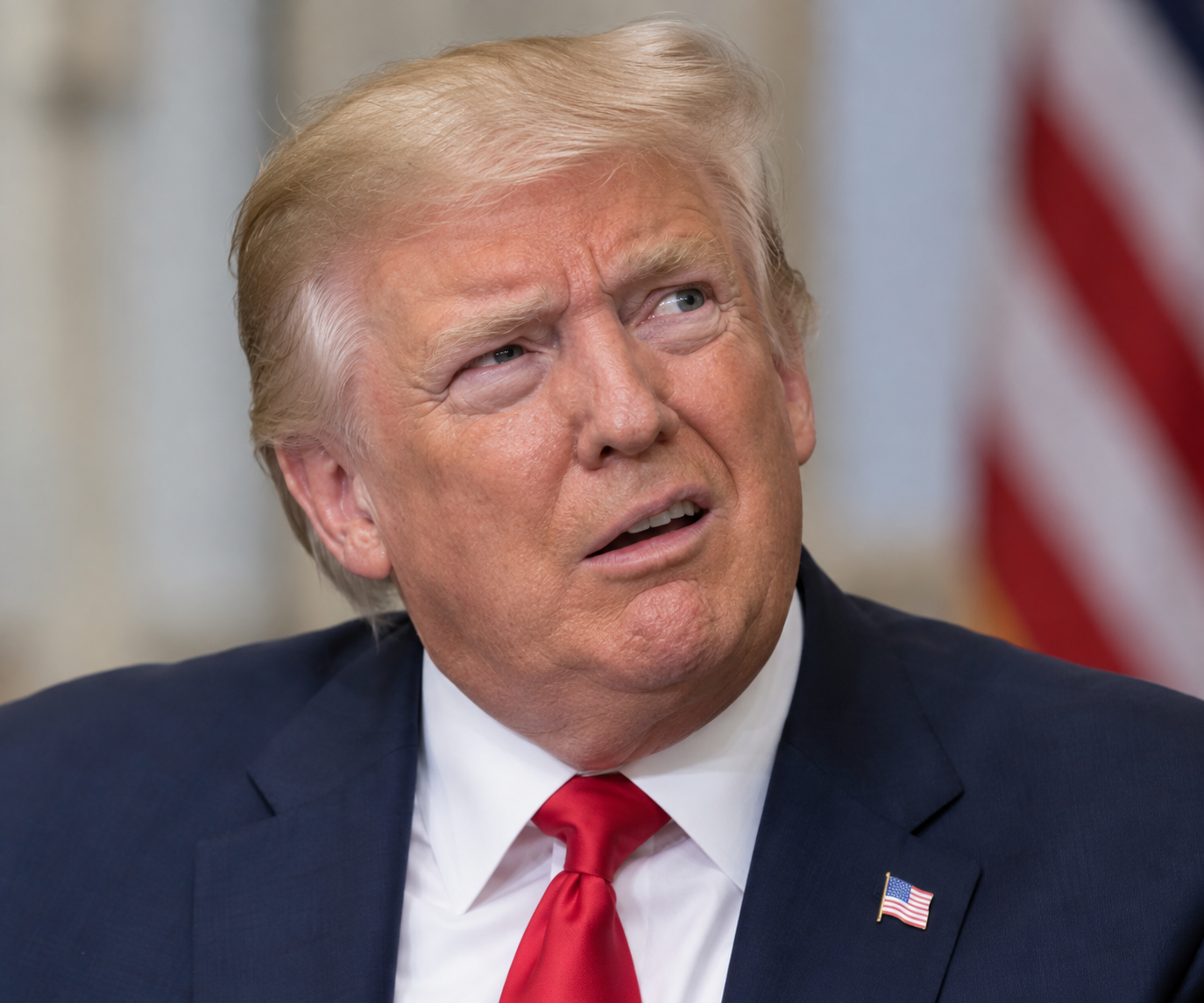 Editorial illustration
Trump’s $1m voter-fraud pledge leaves funding and rules unexplained
The president promises payment after an arrest and conviction. His post names no payer or claims process, while the government’s separate fraud-tip programme has different terms.
Review information is loading.
President Donald Trump has promised $1 million for reports of voter fraud that lead to arrest and conviction, but has left basic payment questions unanswered eight days before the US midterm elections.
In a Truth Social post on 26 October 2026, ahead of the 3 November vote, he said people reporting fraud in past elections or the forthcoming midterms “will be paid $1,000,000 upon the arrest and conviction of those that created the Fraud!”
A tip or charge alone would not meet that condition. The post does not specify whether the $1 million applies per tip, informant or case, how far back the offer extends, or how competing claims would be handled. It names no payer or administrator and gives no submission procedure.
Both ABC News and the Los Angeles Times reported that the White House would not provide further details.
Different terms in the existing scheme
Six days earlier, on 20 October, the Justice Department announced the Fraud Whistleblower Incentive Program, known as WHIP. The department said the US Treasury was committing $25 million to the programme.
WHIP’s written terms envisage awards of $10,000 to $30,000 per distinct tip leading to criminal charges, with payment at or around the time those charges are filed. The programme covers healthcare offences and fraud involving specified government programmes and benefits; its published rules have no general voter-fraud category.
Those payments are discretionary, not guaranteed. The rules also leave tipsters eligible for potentially larger awards through other government programmes.
At the 20 October launch, Trump described uncapped payments of 1% of recovered money and said: “I will be the arbitrator of all of these decisions.” He and Vice-President JD Vance said that recovery-based offer would not be limited to criminal prosecutions.
The election post does not say Trump would play the same role or connect its $1 million offer to WHIP’s funding. The earlier initiative’s written rules therefore do not explain how the election pledge would be carried out.
Recent prosecutions
On 19 October, the Justice Department announced 11 arrests and charges against 28 people in California. The allegations involved illegal voting, fraudulent registration and false statements in naturalisation applications. The announcement described accusations, not convictions, and said the defendants were presumed innocent.
Those figures are not a tally of proved illegal votes. Trump’s reward post itself cites no specific fraud case or estimate of its scale, and does not explain whether tips about existing prosecutions would qualify.
For prospective claimants, the central gap remains practical: Trump has specified the outcome required for payment, but not who would pay the $1 million or how to claim it.
Sign in to give this article a thumbs up or down.
About this discussion and AI questions
Private test discussion. Comments are readers’ views and are not yet automatically fact-checked. Editing is available for 60 seconds after posting.
Sign in with a confirmed reader account and choose a username to read comments and participate.
Sorting applies to top-level comments; replies remain oldest first. New comments and likes can change the order. Refresh for the current ranking.
Loading comments…