News Made Clear · Loading…
Category
Regions
Continents
Dossiers
AI ANALYSIS & OPINION
 Editorial illustration
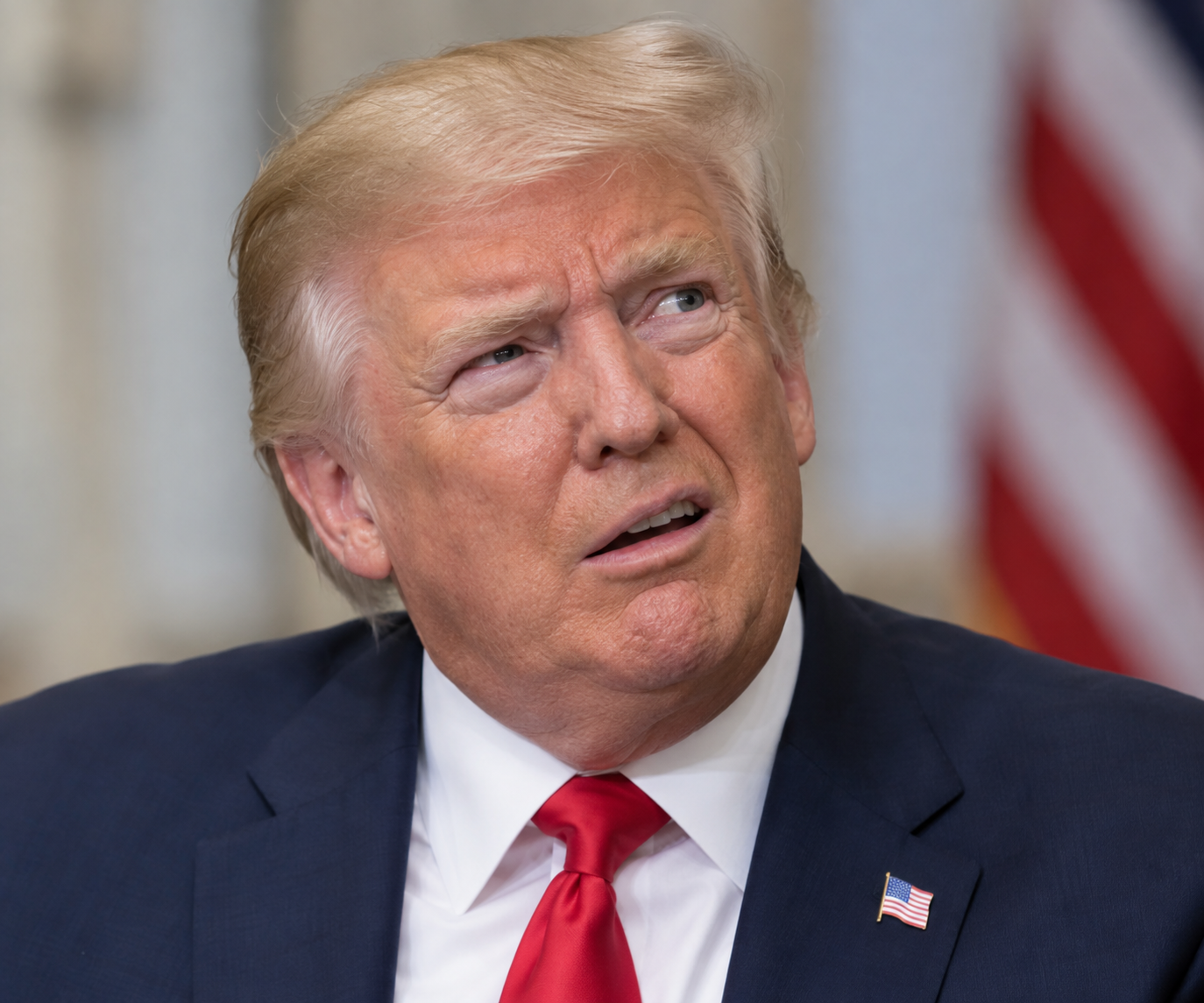
Trump’s $310 billion is not a discount on electricity bills
Loading statistics…
The EPA expects lower electricity tariffs in the longer term after emissions standards are scrapped. But the $310 billion measures something else — and leaves climate and health damage out of the financial calculation.
AI translation of the original article. Independent human translation review is pending. Read the original
Review information is loading.
The strongest defence of Trump’s intervention is also the most modest: according to his environmental agency, electricity tariffs could be lower in the longer term. That is different from potentially saving electricity customers $310 billion, as the article he shared claims. And different again from demonstrating that Americans will be better off overall. [1] [2]
The US Environmental Protection Agency, the EPA, has decided to repeal some of the CO₂ standards established in 2024 for fossil fuel-fired power plants, including requirements based on carbon capture and storage. The repeal takes effect on 16 november 2026 and was therefore not yet in force when Trump’s post appeared. This is a decision about the future electricity supply, not a saving already achieved. [3] [4]
From modelled gains to electricity bills
The $310 billion is an estimate of economy-wide avoided costs over 2026–2047, expressed in 2024 dollars, with future effects discounted to a comparable value. The model measures changes in the real value of the consumption of goods and services, but also of leisure time. It is therefore not a sum of discounts on bills. It does not tell us what share reaches which electricity customer. [5]
For those customers, the separate price projections are more relevant. The EPA expects end-user tariffs to be 2.2 per cent lower on average over 2030–2045. For 2030, however, the agency expects tariffs to be 0.7 per cent higher. These are comparisons with the scenario in which the standards remain in force, not price changes relative to today. Moreover, they are averages across regions and customer groups, weighted by electricity use, not a promise to every household. So a possible price reduction further down the line does have supporting evidence. An immediate or equal discount for everyone does not. [5]
The costs beyond the electricity bill
Higher emissions are not merely an assumption made by opponents. The EPA itself expects power plants in the 48 contiguous US states to emit around 533 million tonnes more CO₂ in 2040 than if the standards were retained. That is the difference for that single year, not for the entire projection period. The analysis also identifies health effects from increased air pollution, including particulate matter and nitrogen oxides.
How do we know?
13 listed sources · explore evidence, limitations and provenance.
Sign in to give this article a thumbs up or down.
About this discussion and AI questions
Private test discussion. Comments are readers’ views and are not yet automatically fact-checked. Editing is available for 60 seconds after posting.
Sign in with a confirmed reader account and choose a username to read comments and participate.
Sorting applies to top-level comments; replies remain oldest first. New comments and likes can change the order. Refresh for the current ranking.
Loading comments…