News Made Clear · Loading…
Category
Regions
Continents
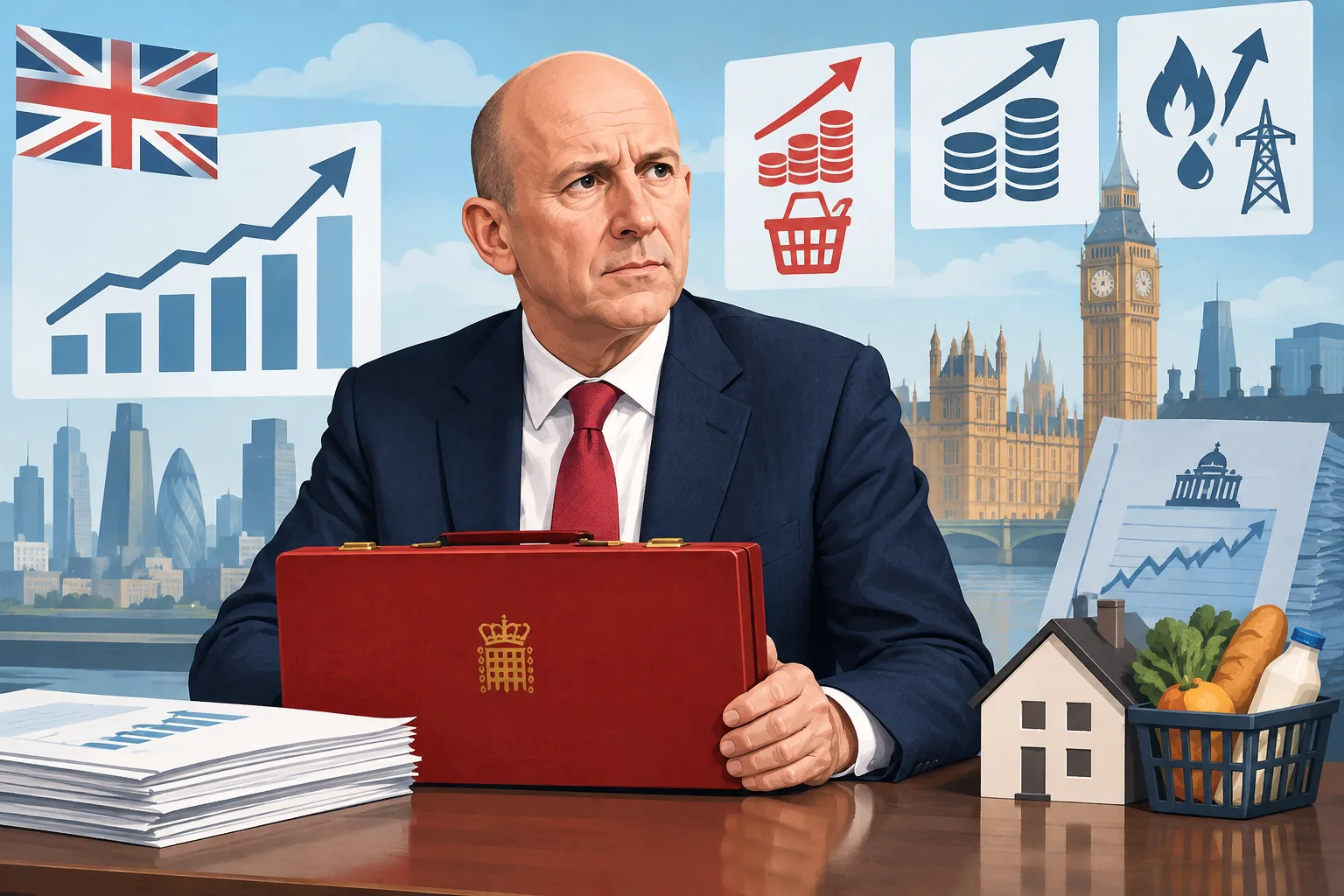
Healey faces growth and borrowing trade-off in Budget, BBC analysis says
Loading statistics…
John Healey’s Budget must support growth and households while reassuring investors about borrowing, BBC economics editor Faisal Islam says. Inflation and public-finance pressures limit the chancellor’s options.
Review information is loading.
Chancellor John Healey faces a difficult balance in Wednesday’s Budget: sustaining stronger-than-expected UK growth while helping households with living costs and convincing investors that government borrowing will remain under control, BBC economics editor Faisal Islam argues.
The economic backdrop has improved. The UK grew faster than the Office for Budget Responsibility and independent forecasters expected in the first half of the year, Islam writes, and the third quarter was heading for growth of 0.6% to 0.8%. But inflation reached 3.5% in September, above forecasts, while borrowing was also higher than expected.
That combination leaves Healey with limited room to act. Islam says the chancellor must weigh support for households and the economy against the risk of keeping borrowing costs elevated. He also points to pressure from an energy shock linked to the Iran war, higher potential energy bills and uncertainty over interest rates.
Healey has said he intends to meet the fiscal rules while keeping a buffer. The Budget’s accompanying borrowing forecasts will offer a clearer indication of how much the government expects to borrow in the coming years. Investors will also be watching for any changes to the government’s plans to sell bonds.
The choices are constrained by high public debt, the OBR’s scrutiny of the government’s forecasts and Labour’s manifesto commitments. Some spending decisions could be deferred if the economic outlook improves, but Islam notes that postponing difficult choices can become a recurring temptation.
Healey’s first Budget comes after official figures showed the economy grew by 0.1% in August, beating expectations of a slight contraction. UK economy growth ahead of the Budget offered a brighter immediate backdrop, though the monthly figure did not remove the broader pressures on public finances.
How do we know?
1 listed sources · explore evidence, limitations and provenance.
Sign in to give this article a thumbs up or down.
About this discussion and AI questions
Private test discussion. Comments are readers’ views and are not yet automatically fact-checked. Editing is available for 60 seconds after posting.
Sign in with a confirmed reader account and choose a username to read comments and participate.
Sorting applies to top-level comments; replies remain oldest first. New comments and likes can change the order. Refresh for the current ranking.
Loading comments…